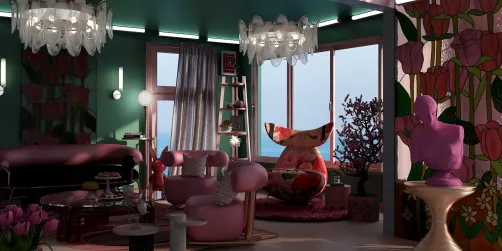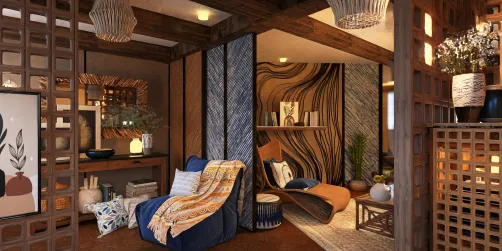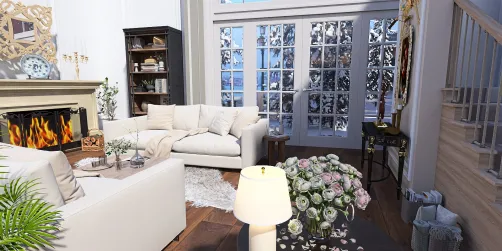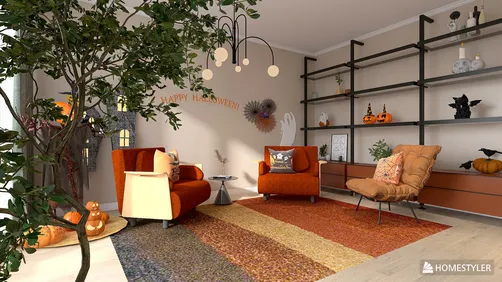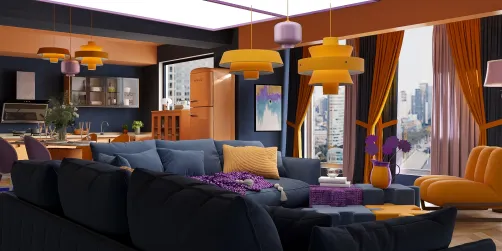
In recent times, I've observed that the design trends for living rooms are leaning towards softer textures and effective management of natural light. Curtains have evolved beyond mere functionality; they now play a crucial role in shaping the ambiance of a room. Personally, I believe that limited spaces often lead to more expansive creative thinking, and the right choice of curtains can dramatically enhance even the smallest living area. In this article, I will discuss 10 ideas for living room curtains, merging my design experiences with expert advice, to inspire your upcoming home makeover with the help of Homestyler.
1. Floor-to-Ceiling Sheer Drapes
My Perspective: In a previous project, I transformed a small apartment’s living room with expansive sheer drapes from floor to ceiling, which made the area feel substantially taller and brighter. This classic approach has proven effective in a variety of settings, from city lofts to quaint cottages.
Advantages: They allow natural light to filter in while maintaining privacy, and sheer fabrics complement almost any color palette. As highlighted by Architectural Digest, the use of vertical lines can create the illusion of higher walls, making the space feel more grand.
Drawbacks: They do not block light entirely, which may pose challenges in media rooms or areas sensitive to glare.
Advice: If you enjoy the gentle illumination but require better light control, consider pairing sheer panels with blackout roller shades discreetly positioned behind them. Inspired by the idea of floor-to-ceiling installations, plan your curtain positioning to accentuate the room's proportions.
2. Layered Curtains with Blackout Panels
My Experience: In one client’s downtown condominium, we layered lightweight linen with a heavier velvet panel, striking a perfect balance between airy daylight and cozy nighttime ambiance.
Benefits: This method provides versatility with sheer panels for daylight and blackout options for enhanced privacy or improved sleep quality. It also introduces added depth and texture to the space.
Drawbacks: Implementing this style requires double curtain rods and could be more costly initially; heavier layers might overpower very small rooms.
Budget Tip: Opt for high-quality linings, which not only enhance blackout effectiveness but can also contribute to reducing heating and cooling expenses.
3. Bold Patterned Statement Curtains
My Insight: I personally enjoy incorporating a striking element into a room, and curtains are ideal for achieving this. In my home, I selected a geometric deep blue pattern to elevate an otherwise monochromatic living space.
Advantages: Patterns can instantly impart character to the room. Over time, they provide the flexibility to maintain neutral furniture while refreshing the space simply by changing the curtains.
Drawbacks: In already vibrant settings, patterns may create a sense of busyness; be mindful of potential pattern fatigue over time.
Styling Tip: If you have concerns about commitment, test with a patterned throw before investing in custom curtain panels.
4. Ceiling-Mounted Curtain Tracks
My Experience: For a recent open-concept project, I employed ceiling-mounted tracks to delineate the living space from the dining area. The result was subtly dramatic and very adaptable.
Advantages: This style offers a sleek, modern appearance; it makes rooms feel taller and allows for easy movement of panels across larger widths.
Drawbacks: Installation may be more complicated; not all ceiling types can support tracks without reinforcement.
Example: I incorporated this design within an open layout plan, ensuring proper spatial separation between areas.
5. Warm Neutral Linen Curtains
My Opinion: Linen fabric is my go-to for achieving an organic, laid-back aesthetic. Its texture softens the edges in a minimalist living room without coming across as overly casual.
Benefits: It's breathable, eco-friendly, and adapts well across seasons. Linen ages beautifully, gaining a lovely natural patina.
Drawbacks: It creases easily; not ideal for those who prefer a sharply tailored look.
Budget Tip: Washed linen varieties tend to resist harsh creasing and deliver that relaxed charm right from the beginning.
6. Luxe Velvet Panels
My Experience: During a heritage home renovation, I employed deep emerald velvet curtains to accentuate traditional moldings and create a cozy winter atmosphere.
Pros: The rich texture enhances sophistication; they are excellent for thermal insulation and blocking cold drafts.
Cons: Velvet can feel heavy in minimalist or tropically inspired spaces and tends to attract dust more quickly.
Maintenance Hint: Utilize a vacuum with a soft brush attachment to keep velvet plush and free from dust.
7. Roman Shades with Side Drapes
My Take: Combining Roman shades with decorative side drapes is a classic design strategy I’ve applied for clients wishing for both flexibility and style. The shades offer functional benefits, while the drapes contribute aesthetic appeal.
Pros: This approach grants multiple layers of control over light and privacy; side panels can function decoratively and are simpler to change.
Cons: Slightly more intricate installation; Roman shades may block some view when raised.
8. Two-Tone Color Block Curtains
My Experience: In a bohemian-styled apartment, I matched sandy beige with a deep rust red — it instantly anchored the space and unified mismatched furnishings.
Pros: This option adds visual intrigue without overwhelming patterns; it can help equilibrate room proportions.
Cons: More challenging to match if you update other textiles; custom-made options may be pricier.
9. Tie-Up Cafe Curtains
My Insight: For a vintage-inspired studio project, tie-up cafe curtains allowed private moments while maximizing natural light. I adore the charming character they bring to compact living spaces.
Benefits: Affordable and easy to craft yourself; they suit casual or cottage-style looks beautifully.
Drawbacks: Limited control over light; a casual design may not be appropriate for formal settings.
10. Sheer Layers Over Printed Panels
My Insight: In my latest project, I layered a botanical print as the base, topped with light sheer curtains, which added depth and softened the boldness of the print.
Advantages: Layering offers numerous styling opportunities; ideal for seasonal updates.
Drawbacks: Double layers demand more maintenance and can accumulate dust.
Inspiration: This concept reminded me of combining different textures for a layered interior effect.
Conclusion
Ultimately, small living rooms do not equate to diminished style—they simply require clever choices. Curtains serve as one of the most essential and versatile tools at our disposal. As noted by Elle Decor, window treatments frame not just the windows, but define the entire atmosphere of a room. Which of these living room curtain ideas do you plan to try first with the help of Homestyler?
FAQ
1. What are the best curtains for small living rooms?
Options like floor-to-ceiling sheer drapes or light linen curtains can enhance the feeling of height and openness in small living spaces.
2. How should I choose the curtain length for my living room?
Design experts often suggest curtains that just graze the floor for a polished look, or pool slightly for a more casual vibe.
3. Can patterned curtains complement a neutral living room?
Absolutely—bold patterns can introduce personality without overwhelming a space when combined with solid-colored furniture and walls.
4. Are blackout curtains suitable for living rooms?
They work perfectly in media rooms or areas facing strong sunlight, as noted by the National Sleep Foundation, which also mentions their ability to help regulate indoor temperatures.
5. How do linen and cotton curtains differ?
Linen provides a textured, organic aesthetic, while cotton generally feels smoother and retains colors more vibrant.
6. How can I mix different curtain styles?
Consider pairing Roman shades with side drapes or layering sheer panels over printed curtains for added depth and style flexibility.
7. Do ceiling-mounted tracks work with every design style?
They are best suited for contemporary or minimalist decor, but with the right fabric, they can seamlessly fit classic interiors as well.
8. How frequently should I clean my living room curtains?
Monthly light dusting and professional cleaning every 1-2 years will help maintain the fabric quality; for layered curtains, consider alternating cleaning schedules.
Looking to transform your home? Homestyler is your go-to online design platform! With an easy-to-use design tool, stunning 3D renderings, and a wealth of DIY video tutorials, you can effortlessly create your dream space. Start designing today and unleash your creativity!