Having dedicated over ten years to designing for small, unique spaces, I've discovered that bay windows can significantly enhance a room's ambiance. In current interior design trends, these features often serve as the centerpiece of the living area. By adopting a small space mindset, we can unleash innovative, creative solutions for dressing these windows. In this article, I will present ten bay window curtain ideas for living rooms, integrating my established designs with insights from experts, so you can effortlessly find a beautiful fit for your area, all thanks to tools like Homestyler.
1. Sheer Layers for Gentle Illumination
My Perspective: In a compact urban apartment redesign, we required curtains that offered both privacy and illumination. By layering sheer curtains over lightweight drapes, we achieved a soft, ethereal glow.
Advantages: This technique maximizes natural light while maintaining privacy, making sheer layers ideal for bay window curtain ideas for living rooms, particularly in modern or Scandinavian styles.
Disadvantages: Those needing complete darkness for activities like watching TV may find this insufficient—something to consider if you enjoy daytime sports.
Suggestion: Use double curtain rods to easily adjust layers based on the season.
2. Dramatic Floor-to-Ceiling Coverage
My Perspective: In a major renovation project, we hung curtains from just below the ceiling to the floor, lending the bay window an elegant, elongated appeal.
Advantages: This styling creates the illusion of increased height and pairs beautifully with vibrant fabrics or patterns. A report from Elle Decor highlights that dramatic draping is trending again.
Disadvantages: It necessitates more fabric—so ensure your budget accounts for wider bays.
Suggestion: Opt for contrasting linings to enhance visual interest.
3. Roman Shades Integrated into the Frames
My Perspective: For a client who preferred minimalism, we fitted Roman shades directly into each section of the bay window, establishing a sleek, neat appearance.
Advantages: Ideal for smaller living rooms; they save floor space while delivering style.
Disadvantages: They may lack the drama of full-length curtains and limit design options when coordinating patterns across various frames.
Suggestion: An excellent option if your L-shaped layout increases seating and you wish to keep the bay area unobstructed.
4. Cafe Curtains for Intimacy
My Perspective: In a cozy cottage-style home, I utilized cafe curtains to accentuate the bay window while preserving the space’s airiness.
Advantages: Affordable; they allow light to filter through the upper panes while ensuring privacy at seated eye level.
Disadvantages: Not suited for those who require total blackout conditions.
Example: This style beautifully complemented a window seat filled with plush cushions.
5. Vibrant Patterned Panels
My Perspective: To invigorate a neutral space, I introduced bold patterned curtain panels, instantly livening the atmosphere.
Advantages: Infuses character into the room and can effortlessly align with your existing color palette.
Disadvantages: Patterns can quickly fall out of fashion, so ensure it's a choice you genuinely love.
Suggestion: To create harmony, subtly repeat the patterns in accompanying throw pillows.
6. Timeless Style with Neutral Linen
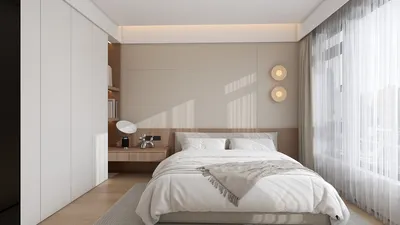
My Perspective: Soft beige linen curtains provided a relaxed and timeless ambiance in one client's open-plan living area.
Advantages: A breathable, natural fabric that pairs well with diverse decor styles. According to House Beautiful, linen is anticipated to be a leading material trend in 2024.
Disadvantages: It wrinkles easily, but many consider this part of its appeal.
Suggestion: For additional texture, choose slub linen.
7. Elegance with Pelmet Toppers
My Perspective: Installing a pelmet over the bay windows provided my client's traditional home with a sophisticated, stylish finish.
Advantages: It conceals curtain hardware and aids in insulating the upper window area.
Disadvantages: Can appear overly heavy in minimalist designs.
Suggestion: Select a pelmet fabric that either matches or contrasts with the curtains for a cohesive or dramatic effect.
8. Matched Tie-Backs for Versatility
My Perspective: In a historic home, we incorporated stylish tie-backs that allowed the curtains to frame the bay beautifully during the daytime.
Advantages: This approach showcases the bay's architectural features while offering flexibility in light and privacy control.
Disadvantages: It's an additional accessory to purchase, though typically worthwhile.
Suggestion: Tie-backs embellished with subtle beading can add a touch of luxury.
9. Combination of Voile and Cotton
My Perspective: For a transitional-style home, I layered lightweight voile with heavier cotton drapes to create contrast and ensure functionality.
Advantages: This pairing is versatile—voile allows soft light in, while cotton offers insulation, making it suitable for all seasons.
Disadvantages: More layers can lead to slightly higher maintenance.
Example: This combination blended beautifully with the warm wood elements within the space.
10. Angled Curtain Track for Full Coverage
My Perspective: In a modern project, we utilized a custom angled track that followed the bay’s curvature, permitting a continuous flow of fabric.
Advantages: Provides complete coverage while highlighting the bay’s unique geometry; Architectural Digest cites this as a professional-grade solution.
Disadvantages: Custom fixtures can be more expensive and may require accurate installation.
Suggestion: This setup is excellent for blackout fabrics, ideal for media enthusiasts near the bay window.
I've also noted how well this design complements glass backsplash concepts, making kitchens feel open in interconnected living areas.
Conclusion
Small bay windows shouldn't be seen as a design constraint; instead, they present an opportunity for smarter thinking. Whether you opt for sheer layers, striking patterns, or custom tracks, these suggestions illustrate that bay window curtain ideas for living rooms can be both practical and stylish. As highlighted by HGTV, adaptable window treatments can greatly affect the perception of space in a room. Which of these ten ideas would you be eager to implement in your own living space?
FAQ
1. What are the most suitable fabrics for bay window curtains?
Linen, cotton, and lightweight polyester blends are effective choices based on your desired aesthetic and light control.
2. Can bay window curtains enhance the spaciousness of my living room?
Indeed! Floor-to-ceiling curtains and lighter colors can create an illusion of greater height and space.
3. Are Roman shades appropriate for bay windows?
Certainly! They fit seamlessly within each frame, providing a clean, tailored appearance.
4. How can I utilize bay window curtains to improve insulation?
Layering heavier fabrics like lined drapes or integrating pelmets can trap air, as noted by Energy.gov, improving thermal efficiency.
5. Do sheer curtains offer privacy?
They do provide daytime privacy, but they are less effective at night when your home’s lights are illuminated.
6. What’s the best way to measure bay windows for curtain fitting?
Measure each section individually and determine whether you prefer distinct treatments or one continuous drapery on a curved track.
7. Is it possible to combine blinds and curtains on a bay window?
Yes! Merging blinds with curtains allows for flexible light control and attractive layering.
8. What is a cost-effective idea for bay window curtains?
Cafe curtains or simple cotton drapes are budget-friendly; consider drawing inspiration from our room makeover case studies using Homestyler.
Discover your dream space with Homestyler! This user-friendly online design platform offers a powerful design tool, stunning 3D renderings, and a wealth of inspiring design projects and DIY video tutorials. Transform your home design ideas into reality effortlessly!









![Design [4]](https://hs-designs.homestyler.com/production/design/images/07c2de3a-88ec-4be8-8910-ff255b795bc2/1731419398293/7841697.jpg?x-oss-process=image/resize,w_502,m_mfit/format,webp)