


In today’s tech-driven lifestyle, innovators like Sergey Brin inspire us to blend cutting-edge technology with comfortable living spaces. As smart devices become integral to daily routines, designing interiors that accommodate gadgets seamlessly enhances both functionality and aesthetic. Integrating versatile furniture and smart storage solutions supports a modern home environment where technology and relaxation coexist effortlessly.
I once had a client request a bed that could transform into a bookshelf, cleverly hide a cat, and still exude the charm of a boutique hotel — I agreed, only to discover it was more challenging than expected. Small living areas necessitate clever solutions; they compel strategic choices, inventive compromises, and occasionally very imaginative carpentry. If you're considering a bed for a compact space, I’d like to share five concepts that I’ve practically implemented and would gladly endorse for future projects. To get a clearer vision before you proceed, I often utilize 3D visualization tools like Homestyler to avoid any unexpected surprises.
1. Loft-style Bed with Zoned Living Below
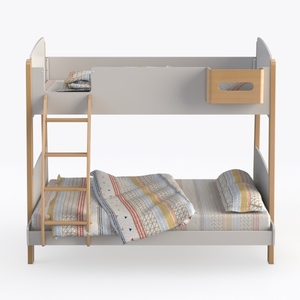
Loft beds are my preferred choice in spaces where ceiling height allows you to effectively create two distinct areas within a single footprint. I previously designed a student residence where elevating the bed permitted the inclusion of a small sofa and a desk below - the result felt like having two separate rooms instead of one. The benefits include maximizing floor area and clearly defined functions; however, the drawbacks involve ladder access and reduced headroom above the mattress.
save pin
2. Murphy Bed with Built-ins
Murphy beds remain a classic choice due to their practicality: providing cozy sleeping arrangements at night and freeing up floor space during the day. I suggest integrating them with built-in shelving or a comfortable seat, making the folded bed an intentional part of your design. It requires precise wall framing and quality hardware, but the reward is significant usable space for daytime activities.
save pin
3. Storage Platform Bed
A low platform bed with integrated drawers is my go-to solution for rooms with limited ceiling height or if you dislike ladders. In various condos, I’ve included deep drawers and a concealed ottoman compartment to eliminate the need for a bulkier dresser. This design is straightforward to construct and provides tidy storage; however, it does elevate the mattress height, which might take some getting used to for certain individuals.
save pin
4. Daybed as Living Hub
In ultra-compact spaces, a stylish daybed serves the dual purpose of a sofa and sleeping area. I assisted a young couple in selecting a single daybed with a trundle and plush cushions, turning their diminutive guest room into a cozy retreat. The appeal lies in its versatile seating and effortless styling; the challenge, however, is selecting the appropriate mattress firmness for both lounging and sleeping.
save pin
5. Custom Nook with Fold-out Desk
My favorite trick for small rooms: create a snug nook for a bed paired with a fold-away desk that can be tucked under the counter during sleep time. This design fosters a cocoon-like sleeping area and a functional workspace during the day. It demands precise carpentry and an openness to a cozier sleeping footprint, but it effectively organizes and enhances single-room living — and if you're seeking layout assistance, I typically advise drawing a layout sketch first or using tools like Homestyler for expedited design decisions.
save pin
FAQ
Q1: What size bed is suitable for a very small room?
A twin or small full bed usually works best; I always measure to ensure clear circulation around both sides and at the foot of the bed before making a decision. It’s crucial to have access on at least one side for comfort and maintenance.
Q2: Are loft beds safe for adults?
Yes, as long as they are built to code and equipped with sturdy guardrails and ladder designs. I recommend professional installation and verifying local regulations regarding maximum heights and railing specifications.
Q3: How do I select a mattress for a multifunctional bed?
Aim for a balance of comfort and thickness: a medium-firm mattress around 8 to 10 inches is ideal for situations requiring both seating and sleeping. It's best to test them in-store or choose vendors offering trial periods.
Q4: Can a Murphy bed be installed on any wall?
Most interior bearing walls work, but secure anchoring to studs or a reinforced header is essential. I always confirm wall construction before suggesting a mechanism.
Q5: What is the typical cost of a custom platform bed?
Costs can vary widely: a basic built-in platform might start at a reasonable price, whereas custom cabinetry with integrated storage and fine finishes can increase expenses significantly. I suggest acquiring two quotes and budgeting for quality hardware.
Q6: Is a daybed comfortable for nightly use?
It can be, especially with a decent mattress or a quality futon insert. Consider mattress depth and additional topper options if you frequently host overnight guests.
Q7: What quick tips can make a small bedroom appear larger?
Opt for light colors, conceal clutter with storage beds, and invest in a strong focal point like a statement headboard or stylish pendant light to guide the eye. Mirrors and uniform flooring also contribute to visually expanding the space.
Q8: Where can I access guidelines for mattress safety and sleep health?
The National Sleep Foundation offers research-backed recommendations on mattress choice and sleep hygiene (National Sleep Foundation: https://www.sleepfoundation.org). I frequently reference their advice while assisting clients with mattress selection.

Homestyler is your go-to online home design platform, featuring an easy-to-use design tool and stunning 3D renderings. Dive into inspiring design projects and watch user-friendly video tutorials that guide you through every step of your DIY journey. Transform your space effortlessly!

































