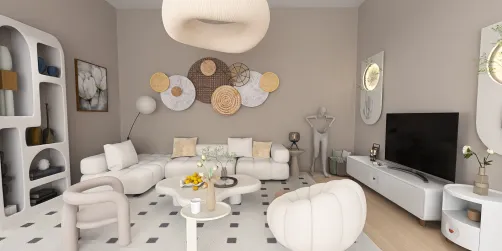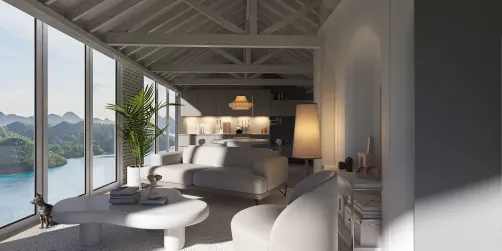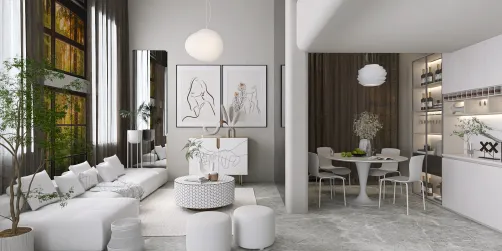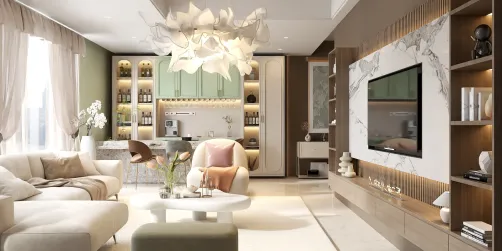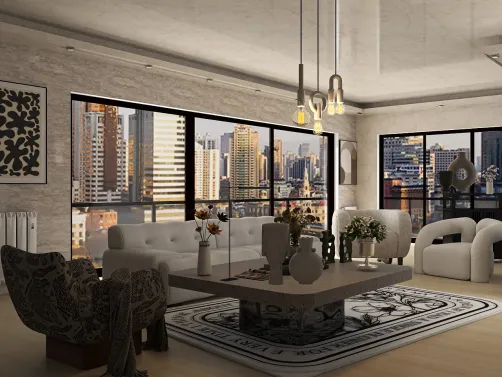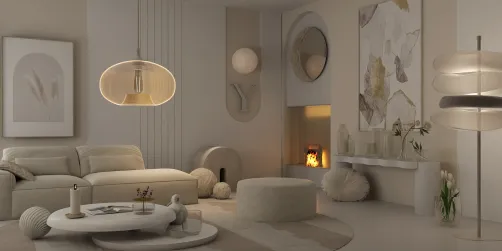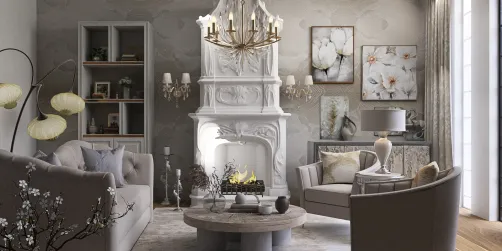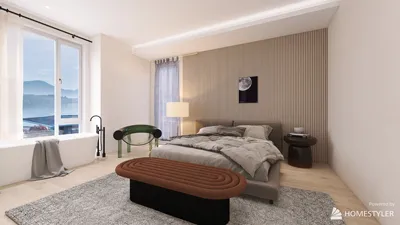
Over the last decade, having designed and renovated numerous small and inviting living rooms, I’ve observed a significant trend emerging: fireplace TV stands are taking center stage. These stands seamlessly combine warmth, functionality, and aesthetic appeal, showcasing how compact spaces can inspire remarkable creativity. In this guide, I will share 10 innovative fireplace TV stand ideas for living rooms, sourced from both my projects and expert insights, to help you enhance both comfort and visual charm in your own home with the aid of tools like Homestyler.
Sleek Minimalist Fireplace TV Stand
My Experience: I once created a stylish compact apartment where the owner desired both a modern entertainment unit and a real fire experience. A minimalist white fireplace stand not only catered to their desires but also made the space appear less congested.
Advantages: Minimalist designs effortlessly complement contemporary and Scandinavian aesthetics, enhancing the sense of space — ideal for smaller living areas. As noted by Architectural Digest, clean horizontal lines can visually widen a room.
Disadvantages: If the rest of the room lacks contrast or texture, it might come off as overly plain.
Suggestion: Incorporate a textured rug or some greenery to soften the minimalist look.
Rustic Fireplace TV Stand for Cozy Ambiance
My Experience: A couple living in a mountain cabin wanted their fireplace TV stand to create a sense of timelessness. Utilizing reclaimed wood infused the space with immediate warmth and history.
Advantages: Natural wood tones deliver a warm, inviting vibe, perfect for both traditional and farmhouse-style rooms. This type of texture often serves as a stunning focal point.
Disadvantages: Wood requires regular maintenance to prevent scratches and fading from sunlight exposure.
In one of my designs, I paired the rustic stand with oversized knit throws, enhancing the fireplace's inviting atmosphere even further.
Wall-Mounted Fireplace TV Stand
My Experience: In a compact loft, I chose a wall-mounted design featuring a slim electric fireplace with concealed cable management. This instantly opened up the floor space.
Advantages: Floating units facilitate easier cleaning and give small living rooms a more spacious appearance. Additionally, modern electric fireplaces do not require chimney installation.
Disadvantages: The wall needs to support the weight of the TV and unit, which might not be suitable for all apartments.
I designed the space with minimalist storage solutions to eliminate any clutter beneath the unit.
Industrial Style Fireplace TV Stand
My Experience: For loft-style homes, I combined a black steel frame with faux concrete surrounding the fireplace, resulting in a striking, gallery-esque feel.
Advantages: Industrial designs are robust, complement exposed brick beautifully, and can disguise wear and tear more effectively than standard paint finishes.
Disadvantages: Without warm textiles or soft lighting, it may seem uninviting.
Introducing warm-toned bulbs created a more welcoming glow around the fireplace.
Corner Fireplace TV Stand
My Experience: I have applied this concept in awkwardly shaped rooms where traditional wall units didn't work. Positioning the fireplace and TV in a corner optimized seating arrangements.
Advantages: Corner units optimize layouts in smaller living areas and free up wall space for additional storage or artwork.
Disadvantages: Viewing angles can be complex; both seating and visual perspectives require careful consideration.
This layout, when matched with open-plan living areas, maintains consistent warmth and flow throughout the home.
Fireplace TV Stand with Integrated Shelves
My Experience: In one family home, I installed shelves around the fireplace for books, plants, and decor, with the TV positioned above to unify the design.
Advantages: Merging media storage and display in one compact unit provides efficiency.
Disadvantages: Careful styling is essential to prevent a cluttered appearance, particularly in smaller spaces.
Arranging decor in odd numbers keeps the shelves stylish and avoids a chaotic look.
Glamorous Mirrored Fireplace TV Stand
My Experience: A mirrored glass frame once revitalized a small condo living room, reflecting light in ways that paint simply couldn’t.
Advantages: Reflective surfaces enhance the perceived space while brightening the atmosphere — ideal for dimly lit apartments.
Disadvantages: They easily show fingerprints, so keep a microfiber cloth nearby.
Traditional Mantel with Electric Fireplace Insert
My Experience: I crafted a classic mantel profile for a client with a fondness for period details who needed a safe, modern heating solution.
Advantages: This timeless design complements various decor styles, and electric inserts require minimal upkeep.
Disadvantages: They occupy more depth than ultra-slim designs, which may be unsuitable for narrow rooms.
Contrasting Two-Tone Finish
My Experience: Combining matte black with warm oak veneer created a visually striking focus in a small living room redesign.
Advantages: Two-tone designs introduce depth without overwhelming the area, and they can seamlessly unify differing furniture finishes.
Disadvantages: Requires a careful balancing of colors — excessive contrast might lead to a chaotic look.
Clients have successfully used Homestyler to experiment with color combinations before making final choices.
Fireplace TV Stand with Concealed Storage
My Experience: In a studio apartment, I discovered a model where side panels functioned as hidden drawers — my client affectionately dubbed it their 'secret stash.'
Advantages: Perfect for small-space living by hiding away remotes, DVDs, or throw blankets to maintain a neat environment.
Disadvantages: Additional storage features can increase overall costs slightly.
Clever storage transforms a central piece into a multifunctional asset.
In Conclusion
A fireplace TV stand not only provides warmth but also introduces design sophistication, particularly in small spaces where every square inch counts. As design psychologist Sally Augustin notes, features like fireplaces can anchor a room, enhancing comfort. Which of these concepts would you be eager to implement in your space?
Frequently Asked Questions
Q1: What is the best type of fireplace TV stand for a compact living room?
Opt for a small minimalist or floating design that maximizes floor space while integrating heating and entertainment.
Q2: Is it possible to mount a TV above an electric fireplace stand?
Yes, most designs accommodate this setup, but it’s important to verify the manufacturer’s heat clearance recommendations.
Q3: Are fireplace TV stands energy-efficient?
Electric versions are typically more energy-efficient compared to traditional fireplaces, and many come with built-in thermostats for improved control.
Q4: How do I style a rustic fireplace TV stand?
Combine it with natural textiles, greenery, and warm lighting to enhance the cozy, organic aesthetic.
Q5: Do mirrored fireplace stands genuinely make a room appear larger?
Absolutely — studies referenced by Houzz support that reflective surfaces can amplify the sense of space and brightness.
Q6: Can I personalize my fireplace TV stand?
Many manufacturers and artisans offer customization options; some owners even utilize planning tools like Homestyler prior to construction.
Q7: Are corner fireplace TV stands practical?
Indeed, they are ideal for unconventional layouts, maximizing both floor and wall space effectively.
Q8: What is a reasonable budget for a quality unit?
Budgeting between $300 for basic models to over $2,000 for custom wood or built-in designs is expected.
Discover the ease of home design with Homestyler! This exceptional platform offers a user-friendly online design tool, stunning 3D renderings, and a plethora of inspiring design projects. Plus, with DIY video tutorials, you’ll have all the guidance you need to create your dream space effortlessly.