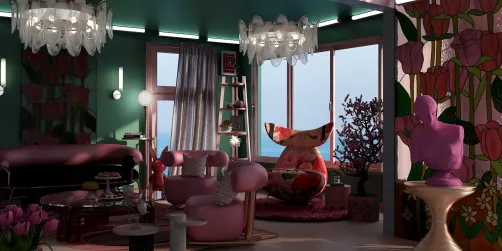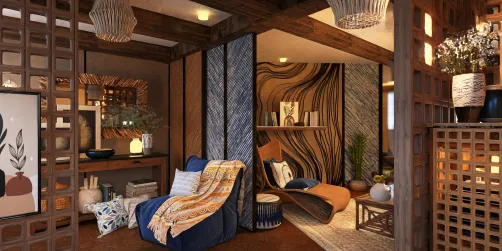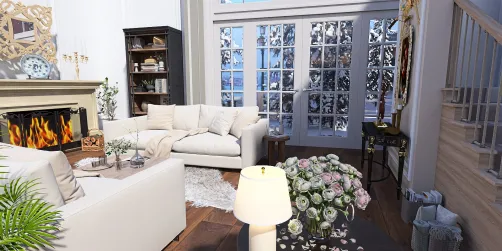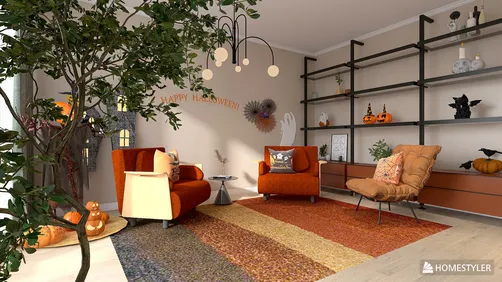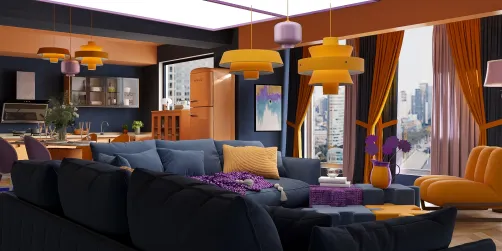
Over the past ten years, while designing both cozy apartments and spacious homes, I've recognized a common truth: clever ceiling fan selections can enhance both small and large spaces. In 2024, the integration of functionality and aesthetics is set to dominate interior design trends. I’ve worked with living rooms as compact as 12 square meters, and it’s clear that a thoughtfully chosen fan can create an airy, stylish environment. The charm of compact spaces inspires immense creativity. In this article, I'll present 10 innovative ceiling fan ideas for living rooms, drawn from my personal insights and expert suggestions, to help you maximize your home’s potential with tools like Homestyler.
1. Minimalist Wooden Blade Design
My Experience: In one of my designs for a studio loft, a three-blade wooden ceiling fan stood out as the focal point, providing warmth without overwhelming the area.
Advantages: Wooden blades introduce a natural texture that complements neutral color schemes and mid-century aesthetics. According to insights from the American Lighting Association, wood finishes effectively soften the visual weight in compact rooms.
Disadvantages: Maintenance can be more demanding since dust tends to accumulate, particularly in humid environments.
Suggestion: Combine with additional wooden accents to create a warm, unified atmosphere.
2. Industrial Cage Style
My Experience: During a renovation of an urban loft, an industrial-style cage fan became the centerpiece. The exposed bulb inside also functioned as unique mood lighting.
Advantages: This style is ideal for industrial or rustic interiors and contrasts strikingly with softer textiles.
Disadvantages: The cage traps dust, necessitating frequent cleaning.
3. Low-Profile Hugger Fans
My Experience: For a client's older home with low ceilings, I advised a hugger fan as a solution for air circulation without sacrificing headroom.
Advantages: Perfect for small apartments or rooms below 8 feet, these fans seamlessly integrate into the ceiling, creating an impression of height in living rooms.
Disadvantages: They may provide less airflow compared to downrod-mounted fans.
4. Reversible Dual-Tone Blades
My Experience: I often recommend reversible blades — light on one side and dark on the other — for those who prefer seasonal styling changes.
Advantages: A cost-effective way to refresh the look without replacing the entire fan; compatible with numerous design styles.
Disadvantages: The mechanism might loosen over time if frequently adjusted.
5. LED Integrated Sleek Fans
My Experience: In a recent project with no existing ceiling light, we chose an LED-integrated fan, effectively solving two issues simultaneously.
Advantages: These fans combine energy-efficient lighting with air circulation, making them ideal for minimalist living spaces where clutter must be minimized.
Disadvantages: If the light panel fails, it can be more expensive to replace than a standard bulb.
Cost Insight: Although LED fans may have a higher initial cost, they offer long-term savings on energy bills (incorporate them into your lighting layout early on).
6. Tropical Rattan Blades
My Experience: In a beach-house-inspired redesign, wide rattan blades instantly transformed the lounge's atmosphere.
Advantages: These fans convey a breezy, relaxed feeling, making them ideal for coastal or bohemian decor.
Disadvantages: They may not fit well with ultra-modern styles.
7. Smart Ceiling Fans with App Control
My Experience: I tested a smart fan in my living room, and loved the ability to adjust speed and direction from my smartphone.
Advantages: Fantastic for tech-savvy residences and can integrate with home automation for enhanced energy efficiency.
Disadvantages: Initial setup can be confusing; reliance on Wi-Fi can lead to occasional delays.
8. Crystal Chandelier Fans
My Experience: In luxurious apartments, I sometimes select chandelier fans, offering clients a choice between glamour and utility.
Advantages: Adds sophistication while serving a functional purpose, making it perfect for formal living spaces.
Disadvantages: Requires sturdy ceiling support due to its heavier weight.
9. Oversized Statement Fans
My Experience: I once installed a fan with a 72-inch blade span in a double-height living room, which became the room's defining feature.
Advantages: Excellent for open-concept designs, efficiently circulates a significant amount of air.
Disadvantages: It may visually overwhelm smaller areas.
Design Insight: To create balance, pair oversized blades with equally bold furniture or architectural accents for cohesion.
10. Retractable Blades for Versatility
My Experience: These fans are my secret weapon for versatile living areas — blades that retract when the fan is switched off.
Advantages: Ideal for those wishing for a chandelier effect without visible blades when not in use.
Disadvantages: Typically have higher costs; moving parts imply a greater chance for repairs.
Summary
Whether your living room is small or spacious, it deserves a ceiling fan that balances style with functionality. Modern ceiling fans provide smart, beautiful solutions without compromise. As noted by the American Lighting Association, matching the right fan size with the appropriate style enhances both comfort and aesthetics. Which ceiling fan concept are you excited to implement? Remember, using design tools like Homestyler can help in visualizing these ideas in your space!
FAQ
Homestyler is your go-to online home design platform! With its user-friendly design tool, stunning 3D renderings, and a wealth of DIY video tutorials, you can easily create and visualize your dream spaces. Transform your home design journey today with Homestyler!