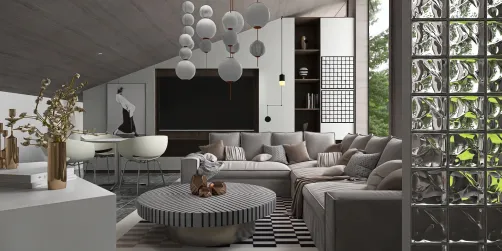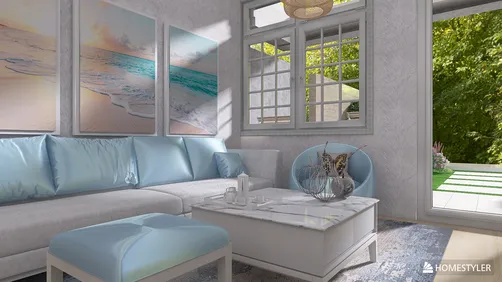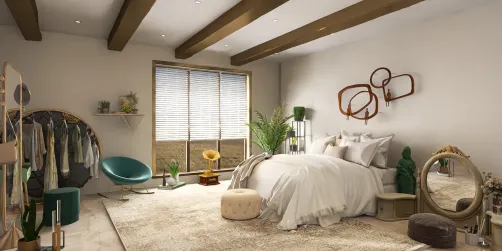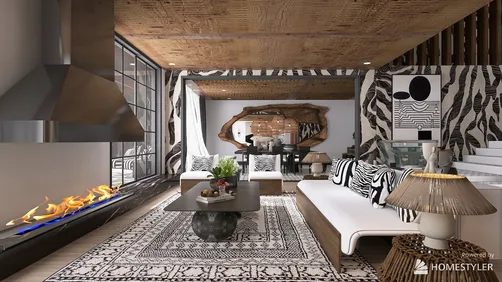
Current trends emphasize the importance of multifunctional spaces and compact designs, something I’ve witnessed over my ten years in compact home design. When clients inquire about laundry room ideas integrated within bathrooms, I always respond that limited space can truly ignite creativity. In this article, I will present five innovative design concepts inspired by kitchen and bathroom styles, incorporating personal anecdotes, professional insights, and practical advice to assist you in crafting an elegant and efficient combination.
As you brainstorm layout possibilities, considering lighting and surface choices from the beginning can significantly impact the outcome. To help visualize interactions between materials, I sometimes recommend using tools like Homestyler which allow clients to see how choices like a glass backsplash can enhance natural light, instilling confidence in their color and finish selections right from the start.
1. Concealed Laundry Closet in the Bathroom
My Experience: Early on in my career, I tackled a diminutive urban apartment where the bathroom was the only feasible spot for laundry. We cleverly installed a stacked washer-dryer behind bi-fold doors, utilizing the remaining wall for open shelving. It was remarkable: the area maintained a tranquil appearance while functioning as a mini utility space.
Advantages: A stacked washer-dryer is among the most effective space-saving solutions for bathroom laundry rooms, allowing for additional floor space that can be repurposed for storage or a larger vanity. This layout excels at optimizing small spaces by making vertical areas available for linens and cleaning supplies.
Drawbacks: Proper planning for venting and plumbing is imperative, and ensuring adequate soundproofing is crucial, especially if sleeping areas are nearby. I often jest that a poorly insulated washing machine sounds like a late-night percussion ensemble.
Advice: Incorporate access panels for maintenance and leave the manufacturer-recommended clearances. Adding a slim recessed cabinet above the stacked units for detergent and smaller items will help keep the area organized and free of clutter on the vanity. In terms of budgeting, anticipate moderate installation costs if the venting is already in place, but set aside additional funds for necessary ductwork and soundproofing.
save pin
2. Pull-Out Laundry Hamper and Sorting Area
My Experience: In a remodeling project where expanding the bathroom was not an option, I designed a pull-out sorting station concealed within a towel cabinet. This dual-purpose area provided added counter space when tucked away — the homeowner appreciated the hidden yet functional design.
Advantages: Pull-out hampers are subtle and ideal for compact bathroom laundry solutions since they keep dirty laundry out of view while ensuring a clean look. They also facilitate easier pre-sorting, sparing time and preventing the accumulation of laundry on floors or counters.
Drawbacks: These systems require precise cabinetry work; subpar hardware may lead to a flimsy feel over time. They are unsuitable for humid environments unless rust-resistant hardware and ventilated hamper liners are utilized — a lesson I learned on a coastal project.
Advice / Example: Use ventilated pull-outs and washable liners; aim for a cabinet depth of 12–18 inches for an effective sorting system. To achieve an integrated look, match the cabinet fronts to your vanity. The costs are relatively modest compared to relocating appliances, primarily covering cabinetry and hardware.
save pin
3. Wet Room Design with Underfloor Laundry Niche
My Experience: I once designed a wet-room bathroom for a couple who desired a spa-like ambiance with practicality. We crafted a narrow niche beneath the tiled bench of the shower to house a compact dryer, ensuring waterproofing and a raised platform for the washer. It appeared seamless and felt remarkably sophisticated.
Advantages: A wet room style offers flexible appliance placement and is an elegant choice for modern bathroom designs with laundry integration. It maximizes space by incorporating laundry areas into existing wet zones and can exude luxury when paired with consistent flooring and complementary finishes.
Drawbacks: Waterproofing is non-negotiable and can escalate costs. You will also require an experienced contractor to ensure proper drainage and ventilation for appliances to prevent mold problems — believe me, skimping here can lead to costly remedies later.
Advice: Implement a raised, waterproof base for the appliances and make sure all electrical outlets are GFCI-compliant. I suggest using professional-grade waterproofing membranes and ensuring a ventilation strategy that promotes fresh air circulation; the initial investment pays off with lasting durability and minimal upkeep.
save pin
4. L-Shaped Laundry-Bathroom Configuration with Fold-Down Drying Rack
My Experience: One of my favorite transformations involved an L-shaped bathroom-laundry layout. Positioning the washer-dryer along one wall with a fold-down drying rack above the vanity enabled both machine drying and air-drying without making the room feel cramped, almost like revealing hidden storage.
Advantages: An L-shaped configuration effectively separates wet zones, creating a harmonious flow between bathroom fixtures and laundry tasks—often a preferred choice for bathroom renovations featuring laundry. It allows for straightforward additions of task lighting and electrical outlets in linear sections, easing installation.
Drawbacks: Circulation could be limited if doors swing into pathways; opting for pocket or sliding doors is advisable. I frequently recommend using cardboard mockups to test the entire workflow (loading, sorting, hanging) to ensure clients can visualize the movement before committing.
Advice / Costs: Incorporating pocket doors and fold-down racks are affordable enhancements that increase functionality. If plumbing and drainage are being revamped, expect mid-range costs; the layout's efficiency usually compensates for the investment by minimizing the need for cabinets and reducing wasted space over time.
As you delve into planning your layout, visualizing options in 3D can be incredibly useful — consider utilizing an intuitive planner such as Homestyler to assess sightlines, clearance, and material combinations before finalizing construction plans.
save pin
5. Cozy Materials and Multi-Functional Countertop Solutions
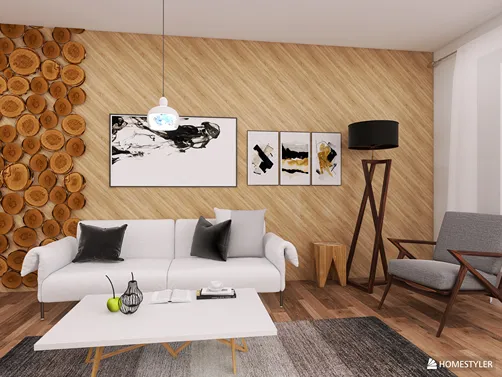
My Perspective: I strongly believe in achieving balance: functional surfaces need not feel uninviting. On a recent project, I chose oak-appearing cabinetry and a waterproof composite countertop that extended over the washer, creating a continuous workspace for folding while also serving as a warm visual anchor for the area.
Advantages: Integrating wood or wood-like finishes delivers a comforting tone among top bathroom concepts featuring laundry facilities because they soften the rigidity of tile and metal, yet retain longevity. A multifunctional countertop transforms a utility space into an integrated part of your bathroom routine — a definite win for smaller homes.
Drawbacks: Genuine wood needs careful moisture management and specific finishes; veneer or engineered wood can offer a practical alternative. I often caution clients that while wood adds warmth, water stains are unforgiving — select sealed surfaces near moisture-prone zones.
Advice / Example: Opt for engineered wood or marine-grade veneers paired with rounded edge profiles to minimize chipping. If your budget allows, invest in a continuous quartz or solid-surface countertop above machines for effortless cleanup. For inspiration on how materials appear in 3D, exploring a design scenario such as wood accents for warmth can help preview colors and textures specific to your layout.
save pin
Summary — Small Bathroom with Laundry Room Brings Big Opportunities
In conclusion, integrating laundry facilities in a small bathroom does not have to compromise style or function. With options like stacked units, pull-out hampers, wet-room niches, L-shaped layouts, and warm material selections, small bathrooms can achieve efficiency, elegance, and relaxation. As noted by the National Kitchen & Bath Association (NKBA), good planning for ventilation and service access is essential — these technical details are what ensure lasting, effective design.
Which of these five ideas inspires you the most? I would love to know which one you plan to implement in your own home.
save pin
FAQ
Q1: What is the ideal layout for a compact bathroom that includes a laundry area?
A: The optimal layout depends on the locations of plumbing and traffic flow, but many designers suggest stacked units or an L-shaped configuration to keep pathways unobstructed. Experimenting with workflow using mockups can help confirm the best fit for your daily routine.
Q2: Is it permissible to install a washer and dryer in a bathroom?
A: Building regulations vary by jurisdiction, but typically you can place appliances in a bathroom if the electrical systems and ventilation meet local codes and are equipped with GFCI protection. Always consult local authorities or a licensed contractor prior to installation.
Q3: How can I ventilate a bathroom with laundry to mitigate moisture problems?
A: Install a dedicated exhaust fan appropriate for the room size, ensure dryer ducts exit outdoors, and consider humidity-sensing fans that operate as necessary to manage moisture. Effective ventilation is critical for a durable combined space, as supported by NKBA recommendations.
Q4: Are there special appliances suited for bathroom installations?
A: Compact, stackable washer-dryer combos, alongside ventless heat pump dryers, are well-suited for bathrooms where space or external venting options are limited. Opt for models with excellent energy efficiency and quiet operation for shared living spaces.
Q5: How can I keep a bathroom laundry combination looking organized?
A: Integrated storage solutions—such as pull-out hampers, built-in shelving above appliances, and lidded baskets—assist in concealing clutter and maintaining a peaceful atmosphere while keeping laundry tasks organized.
Q6: Which materials are effective against moisture in a combined bathroom and laundry?
A: Porcelain tiles, quartz countertops, engineered stones, and specially treated engineered wood are all exceptional choices for moisture-heavy environments. Avoid untreated solid wood near wet areas unless well-sealed and properly maintained.
Q7: How much will it cost to incorporate laundry into a bathroom?
A: Costs can vary significantly based on plumbing adjustments, venting requirements, cabinetry, and finishes; anticipate anything from a minor hardware upgrade to mid-range renovations if re-routing pipes or adding dryer vents is necessary. A realistic budget and phased plan will facilitate decision-making.
Q8: Where can I explore different layouts for bathrooms with integrated laundry facilities?
A: Utilize 3D floor planning tools along with render previews to experiment with different arrangements of appliances, doors, and countertops — visualizing the space in 3D helps to ensure proper spacing and aesthetics before construction begins. For a quicker start, utilizing tools from design case galleries can be incredibly beneficial.
save pin
Homestyler is your go-to online home design platform! With its easy-to-use design tool, stunning 3D renderings, and a wealth of inspiring design projects and video tutorials, you can effortlessly create and visualize your dream spaces. Transform your ideas into reality today!