Wren birdhouses can bring a charming touch to any garden space, particularly for individuals with limited outdoor areas. Wrens are small, adaptable birds that can comfortably nest in tight spots, making them perfect candidates for compact birdhouse designs. If you are crafting a wren birdhouse for a balcony, patio, or snug backyard, prioritize simple and elegant designs. The recommended size for a wren house is about 4x4 inches for the base and between 6 to 8 inches in height, featuring an entrance hole that measures 1 to 1.25 inches. This size helps keep larger birds at bay.
Select weather-resistant materials such as cedar or pine for constructing your birdhouse, and refrain from painting the interior, as wrens favor natural elements. The correct placement of the house is crucial for attracting these birds: hang it 5 to 10 feet off the ground, firmly affixed to a pole or robust fence, and ensure it is located near trees or shrubs for cover as fledglings leave the nest. Incorporating ventilation and drainage holes is essential for maintaining a comfortable and dry interior. Designing a hinged roof or side will facilitate easy cleaning after the nesting season—this is a vital yet often overlooked aspect of planning a small-space birdhouse.
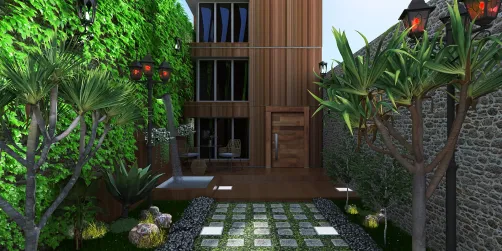
As a designer, I always encourage thinking of the birdhouse as a component of your outdoor layout. Consider how its design, color, and location can harmonize with your patio furniture or vertical gardens. If you’re interested in optimizing your compact outdoor area—be it a cozy balcony nook or a lively urban courtyard—utilizing design tools like Homestyler can provide valuable inspiration. These platforms assist not just in planning the placement of your wren house, but also in achieving a seamless blend between nature and design in your smaller spaces.
Tips 1:
Opt for birdhouses with removable roofs or side panels to make seasonal cleaning hassle-free, ensuring your wren house remains welcoming for years to come. Additionally, refrain from adding perches near the entrance; wrens do not require them, and their presence may attract predators and competitors.
FAQ
Q: What size should the entrance hole of a wren birdhouse be?
A: The ideal diameter for the entrance hole is between 1 to 1.25 inches to provide access for wrens while keeping larger, more aggressive birds out.
Q: How high should I mount a wren birdhouse?
A: Hang the house at a height of 5 to 10 feet, ideally positioned near trees or bushes for additional shelter.
Q: What materials are best suited for constructing a wren house?
A: The best choice is using untreated, durable woods like cedar or pine. Metal is not advisable due to overheating, and plastic can trap moisture, which is harmful.
Q: Are perches necessary on wren houses?
A: No, perches are unnecessary and can actually assist predators or larger birds. Wrens are quite agile and can access the entrance hole without difficulty.
Q: How frequently should I clean my wren birdhouse?
A: It is advisable to clean it out after each nesting season to prevent the buildup of parasites and to ensure a healthy environment for returning birds.


Discover Homestyler, the ultimate online home design platform! With its easy-to-use design tool, stunning 3D renders, and a wealth of inspiring design projects and DIY video tutorials, turning your home dreams into reality has never been easier. Start creating your perfect space today!

















![Design [4]](https://hs-designs.homestyler.com/production/design/images/07c2de3a-88ec-4be8-8910-ff255b795bc2/1731419398293/7841697.jpg?x-oss-process=image/resize,w_502,m_mfit/format,webp)