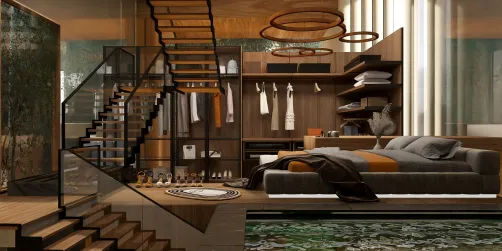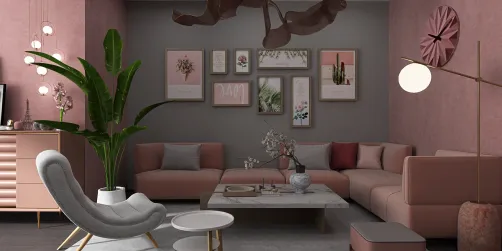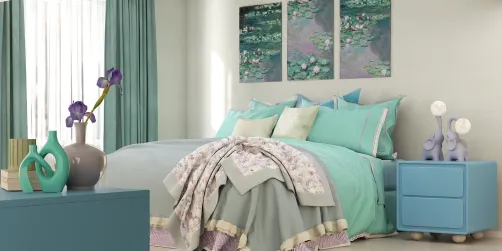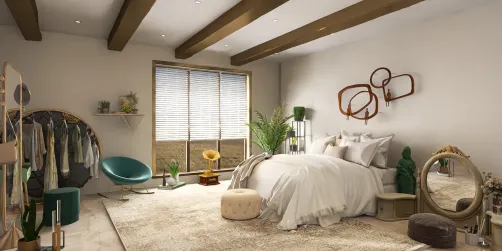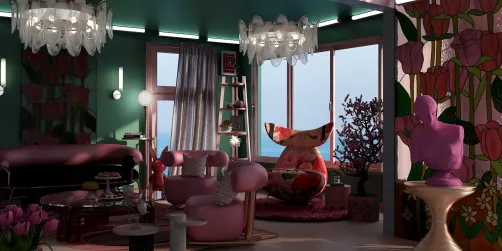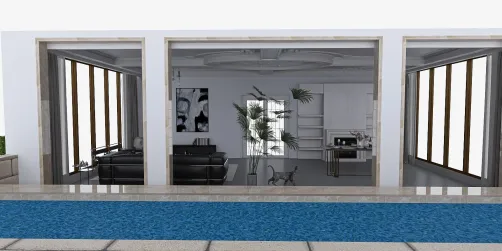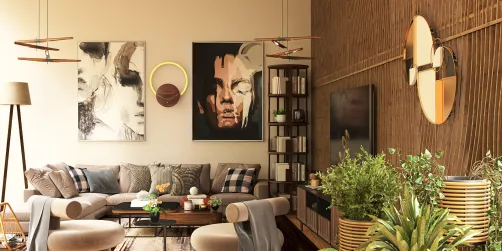
In the realm of residential design, there's a noticeable pivot towards eco-friendly approaches and optimizing space utilization. Modern concepts in home building emphasize functionality and sustainability alongside visual appeal, leading to environments that cater to contemporary lifestyles.
Essential Features of Contemporary Residential Designs
Modern residential architecture is characterized by several components that not only boost their visual attractiveness but also enhance practical utility. Here are vital features to keep in mind:
One of the hallmark characteristics of today’s residential designs is the open floor plan. This layout fosters a perception of spaciousness and improves natural light circulation within the home. Here are some advantages associated with open floor layouts:
The use of eco-friendly materials is crucial in today’s home building practices. Such materials diminish ecological footprints and enhance the longevity and energy efficiency of residences. Commonly utilized sustainable materials feature:
Given the trend toward compact living, developing versatile spaces within homes is imperative. Here are some suggestions for optimizing available space:
Emerging Trends in Residential Design
The sphere of residential building is in a constant state of flux, with fresh trends surfacing that mirror evolving lifestyles and values. Here are some prominent trends to note:
Incorporating smart home technology into modern residential designs empowers homeowners with enhanced convenience, security, and energy efficiency. Innovations like smart thermostats, advanced security systems, and automated lighting are gaining increased popularity.
Biophilic design fosters a bond between natural elements and interior spaces, enhancing human comfort and reducing stress. This trend seamlessly integrates features such as indoor plants and water elements into home decor.
Implementing energy-efficient strategies is crucial in contemporary residential buildings. Methods encompass superior insulation, energy-efficient windows, and the integration of renewable energy solutions like solar panels.
Final Thoughts
The trajectory of innovative residential building concepts lays the groundwork for future housing solutions. By emphasizing sustainability, practicality, and contemporary aesthetics, these designs create not only inviting living spaces but also positively impact the environment, with tools like Homestyler available to visualize these concepts effectively.
Frequently Asked Questions
Q: What are the key advantages of open floor plans in home design? A: Open floor plans facilitate social interaction, enhance natural light distribution, and provide adaptability in arranging furniture.
Q: What strategies can I implement to make a small living area more efficient? A: Opt for multi-functional furniture, include built-in storage options, and establish designated workspaces that can be concealed when not in use.
Q: Which materials are recognized as sustainable for home construction? A: Materials like bamboo, reclaimed wood, recycled metals, and low-VOC paints are considered sustainable options for residential buildings.
Discover the best home design software available to elevate your design projects.