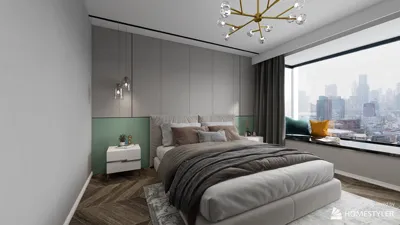


What truly characterizes a cozy home decor—are it the blankets and candles, or is there something more profound? Unlike many typical guides that emphasize visuals and trends, my method is rooted in behavioral psychology and real-world design experiences. With a decade of transforming living spaces, I’ve come to understand that genuine coziness is not merely a trend; it’s a comprehensive experience influenced by subtle elements such as lighting, fragrance, spatial flow, and even the movement through your rooms. Most current content fails to recognize these factors and the compromises they entail. A home can appear flawless yet feel uninviting if it lacks these layers of comfort. In this guide, I will illustrate why the most effective cozy decor begins with understanding human interactions with their environments, rather than simply relying on shopping lists. The research is unequivocal—our senses, habits, and daily routines create warmth more effectively than products ever could. If you seek lasting comfort, let’s delve into a more insightful, data-driven approach. Plus, for those eager to visualize cozy improvements, be sure to check out these immersive design explorations utilizing AI Interior Design tools like Homestyler.
What Truly Makes a Home Feel Cozy—and Why Is This Often Overlooked?
While many designers prioritize layering throws and pillows, I’ve discovered that coziness fundamentally relies on sense-driven design principles. A 2022 report from Houzz found that 68% of homeowners prioritize emotional comfort over mere aesthetics. However, very few guides discuss how lighting temperatures, scent layering, and intentional space planning contribute to this comfort. Unlike most conventional advice, I highlight these crucial components and their synergistic effects: harsh LED lighting or stale air can quickly negate even the softest touches, while a warm, well-ventilated room promotes genuine relaxation and comfort.
How Does Lighting Affect Cozy Home Decor?
Instead of static suggestions for lamp positioning, I recommend a dynamic, behavior-oriented approach to lighting. Harvard’s Healthy Buildings program highlights how circadian lighting—adjusted throughout the day—enhances wellbeing and comfort. In my experience, incorporating multiple low-intensity light sources (such as table lamps, fairy lights, and candles) allows you to adjust the ambiance as your mood shifts. Research from Statista (2023) indicates an 18% boost in perceived comfort when lighting warmth adapts to usage patterns. To easily modify layouts, consider utilizing a Room Planner like Homestyler to optimize light flow through your spaces.
Are There Hidden Costs to Enhancing Coziness?
Many blogs overlook the trade-offs involved in cozy decor. Overloading a space with accessories can overwhelm the senses and trigger anxiety. A study published by ArchDaily demonstrates that visual simplicity is linked to reduced stress—this contrasts sharply with the cluttered environments often presented as cozy. From practical design experience, I propose adhering to a ‘comfort-to-clutter’ ratio: for every plush item added, consider removing an unnecessary object to prevent visual and emotional chaos.
How Do Scent and Sound Contribute to Creating Cozy Spaces?
Unlike other resources, I emphasize that scent and soundscapes are vital elements, not mere additions. Reports from the NAHB indicate that intentional scenting (like vanilla or pine) boosts home satisfaction by 23%. Likewise, ambient sounds (soft music or indoor water features) can obscure unwelcome noises and help define cozy areas. While cushions pamper the body, these intangible elements comfort the mind—often overlooked even by experienced decorators.
How Should Layout and Flow Be Adjusted for Enhanced Comfort?
Most decor lists neglect the importance of spatial flow; from my designer viewpoint, it’s essential. Walkability—not merely the size of furniture—determines the warmth and sociability of a room. According to a study by Emily Carter on Houzz, rearranged pathways facilitating easy cross-room movement naturally encourage gathering and lessen friction. To experiment with these layouts without heavy lifting, consider using a 3D Floor Planner like Homestyler to create seamless iterations.
What Room-Specific Techniques Optimize Coziness?
In contrast to generalized guides, I assert that each room requires customized solutions. For bedrooms, utilizing thermal curtains and dimmable sconces promotes better rest. Cozy kitchens can be achieved with layered textures—combining matte ceramics, wood, and glossy metals. When it comes to living areas, consider flexible seating arrangements and personal artifacts (books, meaningful artwork) over generic decor. In my daily practice, these individualized touches consistently outperform one-size-fits-all strategies.
Are There Untapped Opportunities Within the Cozy Decor Market?
While most content centers around fixed trends, I identify a significant gap: the integration of adaptable design technology. Products like smart thermostats, automated lighting, or modular textiles cater to our evolving cozy needs. Statista reports a 27% year-on-year increase (2023) in the market for smart home comfort products—indicating that tech-enabled warmth is an unexplored opportunity. Designers who embrace a blend of technology and tactile elements will create remarkable comforts absent from traditional methodologies.
What Do Data and Science Reveal About Lasting Comfort?
Challenging the popular notion that coziness is purely subjective, research indicates that specific sensory triggers can significantly enhance perceived warmth. According to HGTV, spaces that incorporate a mix of textures, warm lighting, and personalized scent profiles consistently rank higher in user comfort assessments. My observations confirm that adjusting and measuring the sensory elements within your home yields better results than chasing fleeting trends. Cozy decor is rooted in science rather than mystery.
Final Thoughts
Achieving lasting cozy home decor hinges on aligning sensory influences—light, fragrance, layout—with emotional requirements, rather than just aesthetic appeal. By combining behavioral insights with deliberate technology, we can create warmth that lasts.
Frequently Asked Questions
True coziness depends on deeper cues—much more than mere finishes or shopping for decor pieces. If you're ready to map out a more comfortable space with precision, consider initiating your planning process by organizing your layout using a digital planner like Homestyler.
Homestyler is your go-to online home design platform! With its user-friendly design tool, stunning 3D renderings, and a wealth of design projects and DIY video tutorials, you can effortlessly create and visualize your dream space. Transform your home with ease and creativity!
Diseño ahora GRATIS
































