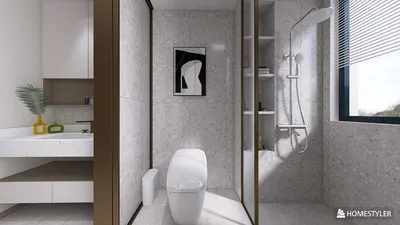


I once found myself hanging a large vertical print upside down, following the client's advice that it would look better that way — a mistake that turned into a memorable lesson and a hearty laugh for both of us. This small disaster underscored the importance of wall art, particularly in narrow living rooms where every design choice holds significant weight. Limited spaces foster immense creativity, prompting me to share five vertical wall art concepts that I've successfully integrated into various projects to enhance height, define seating areas, and infuse character into the space.
1. Oversized Abstract Canvas
An oversized abstract canvas is a favorite for contemporary living rooms — it establishes a clear focal point while avoiding clutter. The beauty lies in its simplicity: a tall single panel draws the eye upward and conceals any imperfections in the wall. However, using overly muted colors can make the piece feel cold. During a recent renovation, I combined a 2-meter tall abstract work with warm textiles to strike a balance between scale and inviting warmth, which made it perfect for the space. Utilizing tools like Homestyler can help in visualizing such arrangements effectively.
save pin
2. Vertical Triptych
A triptych comprising three narrow vertical panels featuring a unified image or related designs introduces rhythm and movement into a space. This arrangement is ideal for lengthy walls, allowing for creativity with the negative spaces in between. The key lies in precision; I always prepare templates for the wall beforehand to prevent installations from appearing lopsided.
save pin
3. Textiles or Tapestries in Frames
Framed textiles not only add texture to a room but also offer acoustic benefits — especially useful if your living room tends to echo. These pieces soften the ambiance and generally require less wall perfection compared to standard paintings. It's crucial to consider lighting and dust exposure; I typically recommend shallow frames with UV-protective glass to ensure durability.
save pin
4. Mixed Media Vertical Gallery
Creating a vertical gallery featuring a mix of photos, small sculptures, and prints makes a striking statement that exudes a personal touch. This setup is adaptable to changing tastes but relies on a cohesive color scheme or similar frame styles to avoid visual disarray. In one instance, I layered family photos with metallic details to achieve a modern heirloom effect.
save pin
5. Custom Floor-to-Ceiling Mural
Elevating your living room can be achieved through a custom floor-to-ceiling mural or wallpaper panel, creating the illusion of higher ceilings while adding dramatic flair without clutter. While this option is bold and transformative, it can be more challenging to modify later. For those renting, peel-and-stick panels are an excellent alternative that I frequently recommend to clients seeking impactful decor without the commitment.
save pin
Tip 1:
Aim to hang wall art at two-thirds of the wall height to enhance the perception of height, and consider using slim LED picture lights for vertical pieces to minimize glare. For layout planning, I often utilize 3D mockups to allow clients a preview of scale — it saves both time and those unfortunate upside-down moments.
save pin
FAQ
Q1: How wide should a large vertical piece be for my living room wall?
A1: Ideally, strive for a width that is 40–60% of the sofa's width for a harmonious appearance; narrower pieces can be effective if you wish to emphasize height rather than mass.
Q2: What is the optimal height for hanging vertical wall art?
A2: Typically, artwork should be centered around 145–150 cm from the floor in most homes, or raised slightly if high ceilings are present to highlight verticality.
Q3: Can wallpaper serve as vertical art?
A3: Absolutely — a vertical wallpaper panel or mural can act as a seamless art piece while visually elevating ceilings, particularly if the pattern accentuates vertical lines.
Q4: What's the best way to illuminate tall wall art without glare?
A4: Adjustable LED picture lights or top-down recessed lights equipped with dimmers are effective means to reduce glare and manage brightness levels.
Q5: Should I opt for a single large piece or a vertical gallery?
A5: It depends — choose a singular piece for a serene minimalist approach or a gallery for added character. Factor in the room's scale and your capacity to maintain visual cohesion.
Q6: Which materials are best for tall pieces in humid environments?
A6: Metal prints, sealed acrylics, or framed textiles with moisture-resistant backing outperform untreated paper or canvas in humid conditions.
Q7: How can I visualize vertical art before making a purchase?
A7: Employ room planning tools or 3D mockups to accurately visualize dimensions and placements. For precision, the American Society of Interior Designers advises using mock-ups and scaled templates when arranging substantial art pieces (ASID guidelines).
Q8: Any quick suggestions for renters seeking tall artwork?
A8: Consider peel-and-stick murals, lightweight framed prints hung with damage-free hooks, or leaning a tall piece against the wall for dramatic flair without the need for drilling.
save pin
Homestyler is your go-to online home design platform! With its user-friendly design tool, stunning 3D renderings, and extensive DIY video tutorials, you can effortlessly create and visualize your ideal spaces. Transform your home with inspiration and ease—perfect for both beginners and seasoned designers!
Diseño ahora GRATIS
































