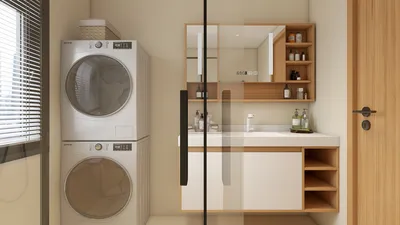


A client once requested a kitchen design where every spice container faced uniformly, showcasing matching labels and equal spacing. I dedicated a weekend to cataloging those jars as if I were a museum curator and gleaned a significant insight: compact kitchens challenge your creativity, making that very creativity the standout feature. Small areas indeed inspire grand ideas, prompting me to share five versatile shelving solutions I frequently utilize.
1. Adjustable Open Shelves
Adjustable open shelves have become a favorite of mine, as they allow for adaptability in storage according to changing needs. Ideal for items like plates and mugs that see regular use, they also create an illusion of space. However, they tend to expose clutter easily, so I suggest arranging items by color or using coordinated containers to maintain order. A handy tip: installing lip rails is advisable for any glassware to prevent slipping.
save pin
2. Pull-Out Pantry Shelving
My preferred choice for those narrow gaps between cabinets or between a refrigerator and a wall is pull-out pantry shelving. These shelves enhance accessibility in deep cabinets and are perfect for storage of spices, oils, and canned foods. Though they require precise measurements and may have a higher cost than fixed shelves, the enhanced accessibility proves invaluable in petite kitchens. In one instance, I transformed a 6-inch gap into a remarkable spice tower that delighted my clients.
save pin
3. Corner Carousel Shelves
Corner carousel shelves, also known as lazy Susans, save those tricky corners from becoming unusable spaces. They maximize usable space and minimize the need to bend over or reach awkwardly for items. The downside includes a complicated installation and occasional cleaning challenges around the mechanism. To achieve optimal function, select robust sliders and ensure even weight distribution across tiers.
save pin
4. Floating Shelves with Under-Cabinet Hooks
Floating shelves bring character and allow for displaying beautiful dishes or cookbooks, complemented by under-cabinet hooks for mugs or utensils. This combination merges storage with display, perfect for those who favor a curated, lived-in aesthetic. They’re not the best for concealing clutter, so it’s wise to reserve them for everyday items or those you wish to showcase. I typically pair warm wood tones with matte black hooks to create a cozy, contemporary appearance.
save pin
5. Integrated Vertical Dividers
Integrating vertical dividers in cabinetry is an excellent solution for organizing baking sheets, cutting boards, and serving trays. They keep taller items upright, making them easy to grab without the hassle of stacking. The catch is that they do consume some horizontal shelf depth, so careful planning of their placement is essential. In a recent renovation, I incorporated dividers near the oven, which effectively resolved the ‘metal sheet avalanche’ dilemma.
Throughout the development of these ideas, I often utilize tools such as the Homestyler room planner to sketch layouts, ensuring that spacing and flow are optimized, which saves valuable time during installation.
save pin
FAQ
Q: What shelving options work best for a compact kitchen?
A: The best choices for small kitchens are adjustable open shelves and pull-out pantry shelving, as both offer flexibility and improved accessibility while maintaining a small footprint.
Q: Are floating shelves a practical choice for kitchens?
A: Absolutely, floating shelves are practical for storing frequently used items and for visual display; however, it requires careful organization to prevent a cluttered look.
Q: What is the proper method to measure for pull-out shelves?
A: Ensure you accurately measure the cabinet's interior width, depth, and height; allow some extra space for slide hardware and always check the weight capacities specified by manufacturers.
Q: Can corner carousel shelves support heavier cookware?
A: Well-made carousels can manage moderate cookware, but for heavy items like cast-iron pans, I suggest using dedicated lower cabinets with reinforced supports.
Q: Which materials are best for kitchen shelving?
A: Common materials include sturdy plywood, solid wood with suitable finishes, and metal. Select moisture-resistant finishes for areas near sinks and stoves.
Q: How do vertical dividers influence usable shelf space?
A: While dividers slightly reduce continuous shelf depth, they significantly enhance organizational efficiency for tall, slim items; carefully plan their location to avoid sacrificing accessible storage for frequently used items.
Q: Where can I experiment with shelving configurations in 3D prior to purchase?
A: I regularly use the Homestyler 3D floor planner to visualize shelving arrangement and traffic flow before making any purchasing decisions.
Q: Are there established guidelines for kitchen cabinet shelving?
A: Indeed—organizations like the National Kitchen & Bath Association (NKBA) provide standards for ergonomic shelf heights and clearances, which can be consulted for specific guidelines.
save pin
Homestyler's roots trace back to Autodesk, the global leader in design and engineering software. That heritage lives on in every feature we build. Today, with a community of more than 18 million users worldwide, Homestyler continues to make professional-quality interior design accessible to everyone — from first-time decorators to seasoned architects.
Homestyler is your go-to online home design platform! With its user-friendly design tool, stunning 3D renderings, and rich library of DIY video tutorials, you can effortlessly create and visualize your dream spaces. Transform your home design ideas into reality with ease!
Diseño ahora GRATIS
































