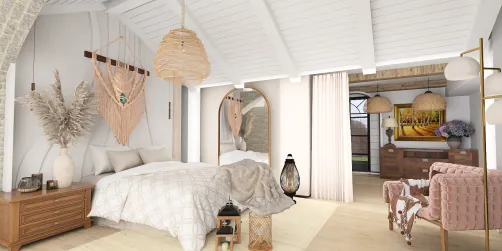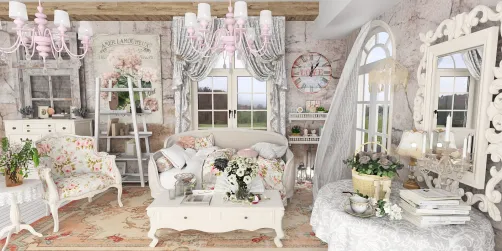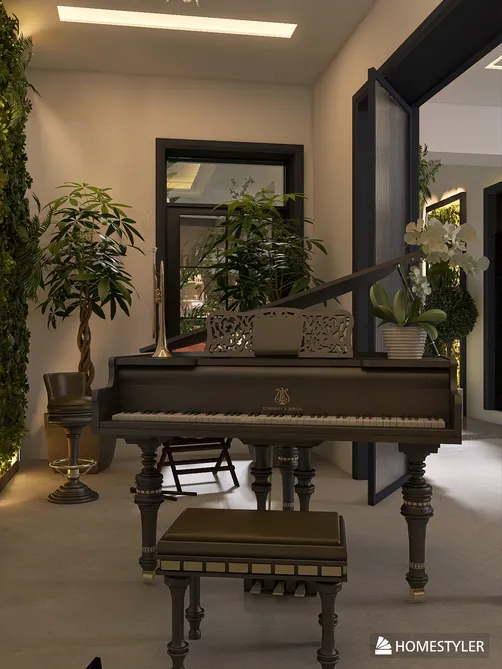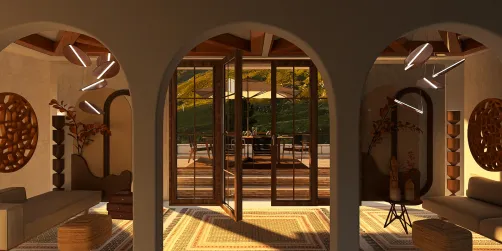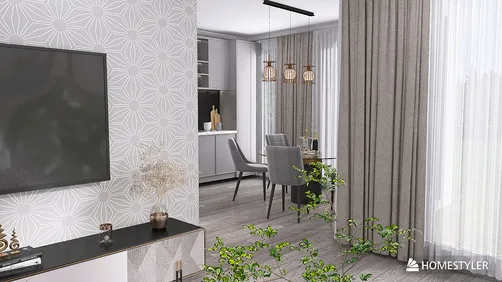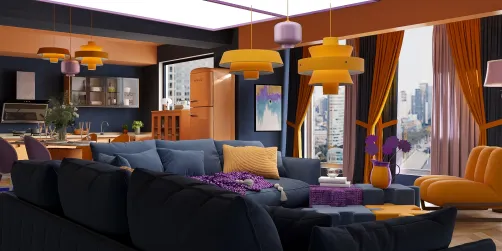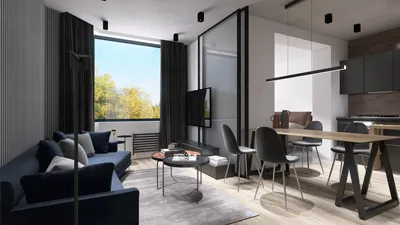
As we approach the future, urban living challenges such as noise, stress, and chaotic routines call for more deliberate spatial design. Data reflects this transformation; reports from Houzz indicate a sustained interest in layouts that enhance daily well-being. Increasingly, my clients are looking for vaastu-compliant floor plans as tools to optimize energy flow and functionality. In this context, a home evolves into an adaptive platform, a gentle operating system for the coming decade, especially with the help of Homestyler's innovative design solutions.
East-Facing Entry, North-East Living Hub
Design Approach: An east entry and north-east living area harness natural light as a primary directive, aligning vaastu principles with stability for circadian rhythms and future wellness expectations.
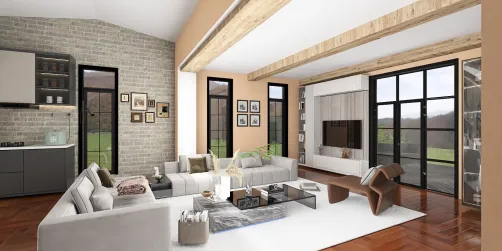
Flow: The profile includes a foyer leading to living, dining, and kitchen spaces; bedrooms extend off to the south and west, while utility areas are positioned in the south-east for thermal efficiency.
Sightlines: Entering the space reveals a layered interface — a gentle transition to the living area, a direct line to the dining area, and varying levels of privacy from the bedroom spaces; a shrine nook is discreet yet accessible.
Storage: A pantry wall adjacent to the kitchen serves as immediate storage, while the foyer features a buffer for coats and shoes, and linen storage is conveniently located near bathrooms — these elements function in the same way as RAM during peak usage.
Furniture Placement: The sofa is designed to be 36-38 inches deep, the dining table measures 72x36 inches, and the shrine alcove is 24 inches deep; clearances are structured to support daily activities and rituals like an API.
Conclusion: This design is poised to meet the demands of hybrid work life over the next five years, maintaining energy levels at the front of the home while providing tranquility at the edges.
South-West Master Suite, Well-Balanced Service Axis
Design Approach: Positioning the master bedroom in the south-west corner fosters restful leadership while ensuring that service areas are strategically placed to avoid thermal buildup.
Flow: The arrangement leads from the living area through a corridor to the master suite in the south-west; children's and guest rooms are situated in the north-west and north-east; the kitchen occupies the south-east along with utility space, while bathrooms are stacked to streamline plumbing.
Sightlines: Views from the living area capture the morning sun; corridors create a sense of compression before revealing expansive sightlines, with visual access to the master suite strategically protected.
Storage: Built-in units along the corridor serve as communal storage; a walk-in closet in the south-west suite offers ample storage, while overhead components are minimized to reduce visual noise.
Furniture Placement: The king bed measures 76x80 inches with 30 inches of circulation space; desks are 48 inches wide, benefiting from northern light, and wardrobes are 24 inches deep to allow for modular configurations.
Conclusion: This design mirrors a well-functioning server: restful spaces are prioritized, services streamlined, and daily routines safeguarded against disruption, ensuring future-proof living.
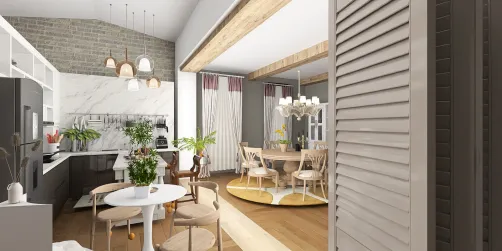
North Kitchen Window, Centrally Located Dining Area
Design Approach: A kitchen featuring a north or east window stabilizes thermal control, while a centralized dining area acts as the social API for family interactions.
Flow: The process follows preparation, cooking, plating, and serving; a dedicated cleanup path runs parallel, with a balcony on the east serving as a buffer for plants and air, and waste disposal located at the south-east exterior.
Sightlines: The line from the chef to the dining area remains open; window alignments mitigate glare like a UX overlay, while a designated prayer or meditation zone stays subtly present in the background.
Storage: Base drawers offer high-speed access, while a tall pantry serves as a cold storage solution; corner units are minimized to enhance movement efficiency.
Furniture Placement: The dining area accommodates round or rectangular tables ranging from 60-72 inches as per occupancy; kitchen aisles are 42 inches wide, and an island is included only if the room width exceeds 96 inches to preserve flow.
Conclusion: This layout encourages healthier cooking habits, facilitates smoother hosting, and ensures clear communication paths between daily activities and moments of relaxation.
Final Thoughts
Vaastu-compliant design is more about creating refined environments where light, heat, and movement blend seamlessly into humane routines. In apartment layouts, the floor plan transforms into a dynamic algorithm; elements such as east-facing entries and south-west sleeping quarters keep energy flow organized and habits consistent. As the demand for designs like 'vaastu-compliant 2-bedroom apartment layouts' grows, the focus shifts from mere size to intentional spatial geometry, ensuring homes designed through tools like Homestyler remain calm, clear, and adaptable.


Homestyler is an amazing online home design platform that makes it easy to unleash your creativity. With its user-friendly design tool, stunning 3D renderings, and comprehensive video tutorials, you can effortlessly bring your home vision to life, whether you're a beginner or a pro!