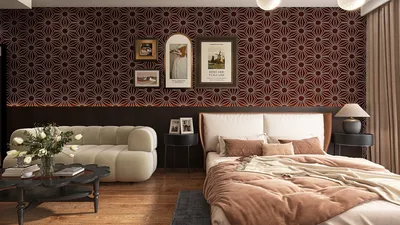


The advent of 3D industrial rendering has significantly transformed the landscape of design and manufacturing in contemporary industries. By converting two-dimensional ideas into lifelike visualizations, this technology serves as a link between creative vision and practical execution. It allows engineers, architects, interior designers, and manufacturers to envision products and environments prior to the actual production phase. With realistic lighting, intricate textures, and precise spatial arrangements, stakeholders gain an in-depth perspective of the project, facilitating a smoother approval process and minimizing expensive errors.
As a design professional, I personally witness how 3D industrial rendering enhances project workflows remarkably. For example, when tackling intricate interior designs for factories or office environments, employing a 3D methodology enables swift prototyping. This approach allows for virtual navigation through spaces, testing various layouts, and making informed choices regarding equipment placement, lighting, and color schemes. Additionally, this innovative technology offers clients a transparent, shareable vision that promotes enhanced collaboration among teams. In my view, the true essence of 3D rendering lies in its ability to materialize creative concepts and align them with the functional needs of industrial spaces, especially when utilizing platforms like Homestyler.
To enhance the effectiveness of these visualizations, utilizing a 3D Render Home platform can significantly simplify the design process. Such cutting-edge tools allow designers and project coordinators to swiftly produce photorealistic renders, continually refine their designs, and ensure that every element of the layout is both intentional and visually captivating.
Tip 1:
To fully harness the advantages of 3D industrial rendering, it is crucial to collect thorough reference materials and accurate dimensions before initiating your modeling endeavor. This preparation ensures that your visual outputs remain true to reality and mirror the anticipated final product. Engaging with stakeholders early in the process can also facilitate valuable feedback integration, minimizing the need for extensive revisions.
FAQ
Q: Which industries gain the most from 3D industrial rendering?
A: Sectors such as architecture, manufacturing, engineering, and interior design benefit from 3D rendering, using it to visualize projects, enhance communication, and avert costly mistakes prior to the onset of construction or production.
Q: In what ways does 3D industrial rendering enhance communication on projects?
A: It generates realistic visual representations that stakeholders can readily comprehend and discuss, minimizing confusion and boosting project effectiveness.
Q: Can 3D rendering uncover potential design issues?
A: Absolutely. By emulating physical environments and products, designers can spot and rectify problems early in the development phase, conserving both time and resources. Q: Are the costs of producing 3D renders high?
A: Recent advancements in rendering software have streamlined the process, making it faster and more budget-friendly, particularly when compared to traditional prototyping and physical mock-ups.
Q: How precise are 3D industrial renders?
A: With careful modeling and accurate dimensions, 3D visualizations can achieve exceptional accuracy, faithfully representing material textures, lighting, and spatial relationships that closely correspond with the final construction.
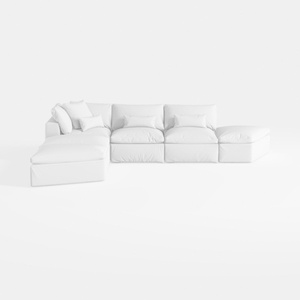

Minimalist White Fabric L Shaped Sectional Sofa 3D Model
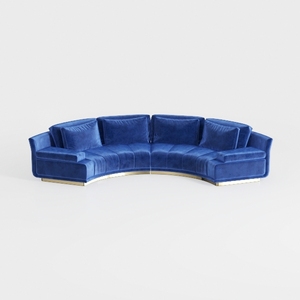
Modern Navy Velvet Gold Base Curved Sectional Sofa 3D Model
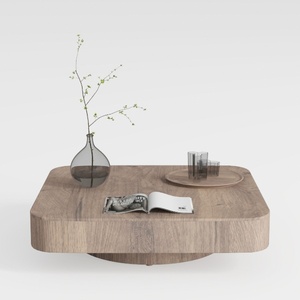
Minimalist Solid Oak Square Floating Coffee Table 3D Model
Discover the creative potential of your home with Homestyler! This user-friendly online platform features powerful design tools and stunning 3D renderings. Explore a vast library of design projects and learn from engaging DIY video tutorials. Transform your vision into reality today!
Diseño ahora GRATIS
































