


The thickness of walls in floor plan design is not merely a technical detail; it significantly influences the comfort, acoustics, and overall efficiency of your home for years. Have you noticed how some compact apartments manage to feel cozy rather than cramped, or how older homes withstand urban noise? Typically, it's the professional consideration of wall thickness that makes such a difference from the very beginning. Having renovated various homes from LA bungalows to newly constructed condos, I assure you that getting wall dimensions right early in the process will benefit you through every phase—from framing and inspections to furniture arrangement and future renovations.
So, why does wall thickness play a critical role beyond just the initial blueprints? Proper measurements can optimize your living space, enhance insulation, and improve soundproofing, ensuring that your layout complies with or surpasses local regulations. A minor variation in wall thickness can be pivotal, transforming a snug corner into a spacious walk-in area, or preventing uncomfortable drafts while fostering long-lasting comfort. When designing your space, take standard dimensions into account alongside how your material and finish choices—such as sound insulation or cabinetry—will affect the final wall thickness and the overall ambiance of your interiors.
In today’s home design, non-structural interior partition walls typically measure between 4" and 6" in thickness. On the other hand, load-bearing walls, which bear the weight of upper floors or roofs, require a dimension of at least 8" to 12", with local building codes or materials like concrete blocks sometimes necessitating even more. Don’t forget about the walls that separate different climate zones, garages, or utility rooms—enhancing their thickness for improved insulation can significantly lower your energy expenses and elevate property value over time (source: National Association of Home Builders).
Understanding Wall Thickness in Floor Plans: The Key to Comfort and Functionality
Every inch of wall thickness impacts your usable living area. For smaller homes or studio apartments, even a half-inch modification can decide whether your living space feels breezy or constricting. Clever designers utilize the thinnest compliant walls for non-structural sections without compromising safety or code requirements. Need additional noise reduction in your home office? Consider a 6" wall or thicker, equipped with sound insulation. Planning for built-in storage or pocket doors? It's essential to factor in that extra thickness from the start to avoid sacrificing aesthetics or practicality.
Not specifying wall thickness can lead to costly revisions later—particularly after permits or inspections are in place. Always indicate the thickness and materials clearly on your plans: using double lines for wall profiles, dimension markups, and material labels is standard practice (according to AIA architectural guidelines). Implementing color coding or different line styles (dashed for non-structural walls versus solid for load-bearing ones) can enhance communication with contractors and inspectors.
Strategies for Selecting the Ideal Wall Thickness
1. Categorize your walls by function: Load-bearing walls must adhere to local codes (generally 8"–12"). Interior partitions can be between 4"–6", depending on privacy concerns and mechanical channels.
2. Account for finishes: Wall treatments such as tiles or shelving can add 0.5" to 1" to your final wall thickness—factor this in from the beginning.
3. Emphasize insulation: For bedrooms, bathrooms, or between units, consider upgrading to 6" and utilize high STC acoustic insulation for privacy. Add 1" to 2" for double-stud or advanced thermal assemblies in extreme weather conditions.
4. Consult building codes and local climate conditions: Codes can vary by state and sometimes by city (refer to HUD and local building department resources). Regulations about fire safety, moisture, and energy efficiency often dictate thicker assemblies.
5. Clearly present all dimensions: Include wall thickness annotations and material notes on every version of your plans. Missing this essential information can lead to permit rejections and costly amendments (according to USGBC guidelines).
Material Influences: How Your Selections Impact Wall Thickness
The materials you choose for framing and finishing set the minimum wall thickness and the creative choices available to you. For instance:
Are you incorporating plumbing, wiring, or built-ins? Ensure you allocate extra depth for service spaces—never try to fit utilities into substandard wall thickness.
Best Practices: Wall Thickness in Limited and Open-Concept Spaces
When designing compact areas, opt for the thinnest walls acceptable by code for closets, hallways, and room separations while reserving thicker structures for key areas like bedrooms and bathrooms where structural integrity and privacy are critical. Adding sliding pocket doors and built-in storage can justify slightly thicker walls while still optimizing your living space.
For open designs, be intentional: implement double-stud or insulated walls where sound isolation is important, particularly between sleeping and living areas. It’s crucial to indicate these specifications in your drawings—builders need precise instructions for ordering and staging materials based on wall thickness.
Frequent Errors When Managing Wall Thickness in Floor Plans
Professional Insight: Maintain a wall schedule next to your plans—a quick glance will clarify the thickness, material, insulation, and finishes of each wall. Adjust for unique zoning regulations, climate, and privacy requirements. This proactive approach can minimize requests for information and significantly reduce expensive surprises later.
Wall Thickness: Adherence to Codes and Regional Differences
Don’t depend solely on generic standards—distinct regions such as rural Vermont, Miami, and central Houston have specific requirements due to climatic conditions, seismic activity, or energy codes. Before finalizing measurements, review local amendments in the ICC Code Council Database. If you’re uncertain, it’s wise to consult a licensed architect or code expert; it’s far more economical than revising designs mid-construction.
Wall Thickness: Essential for Enjoyable, Long-Lasting Homes
The fundamental takeaway: wall thickness doesn't just influence technical drawings; it also affects your everyday living experience and property value over time. Wise decisions made today can protect against noise, enhance energy efficiency, and maximize usable space on compact lots.
Integrate Wall Thickness Into Your Design Software Early
Modern floor planning software—like Homestyler—allows you to preset wall thickness and ensure consistency across your design. Utilize wall type templates (for partitions, load-bearing, or fire-rated walls) to avert errors later in the process. Include a wall thickness legend and callouts for clarity, particularly when collaborating across multiple stakeholders or with local inspectors.
Employ Interactive Space Calculators & Wall Schedules
Think about using an interactive partition calculator during your design phase: inputting your wall assembly options promptly updates your estimations of usable square footage, identifying efficiency or code compliance issues early on.
Prioritize Soundproofing and Future Preparedness
Are you planning for future needs? Consider thicker, insulated walls around bedrooms, offices, or shared walls with neighbors—even if not mandated by code. A modest investment now pays dividends in comfort and property value later. For the utmost flexibility, consider using double-stud or resilient channel assemblies for spaces that may accommodate exercise sessions, music lessons, or home studios.
FAQ
Q: What are the required wall thicknesses for load-bearing versus partition walls in the US?
A: Exterior or load-bearing walls typically range from 8" to 12" thick (depending on structure, climate, and finishes). Partition walls generally measure 4" to 6" thick (comprised of wood studs and drywall), according to NAHB and AIA standards.
Q: How does wall thickness impact actual room dimensions in the finished residence?
A: Thicker walls can reduce usable floor area in each room, occasionally by several feet throughout a home. Always model and verify dimensions before commencing framing to prevent unwanted reductions in intended spaces.
Q: Can I implement thinner walls to create more space in my renovation or new construction?
A: Yes, for interior non-load-bearing walls (following local codes). However, NEVER reduce thickness for load-bearing or fire-rated walls, as this could jeopardize safety, violate codes, or lead to insurance challenges.
Q: Do I need to display wall thickness on permit plans?
A: Yes—most jurisdictions mandate that explicit wall dimensions and annotations be included to approve permits. This assists inspectors in confirming code compliance and prevents costly on-site errors later.
Q: Where can I verify the standards for my state or locality?
A: Check your local building department's website, the International Code Council, or professional organizations like NAHB or AIA.
Ready to transform your home's layout, even in limited spaces? Try a floor planning tool like Homestyler to visualize wall thickness and optimize every square inch—ensuring your renovation is both efficient and aesthetically pleasing from day one!
Originally incubated at Autodesk, Homestyler has grown into one of the most widely adopted home design platforms in the world, now trusted by over 18 million users. Whether you're a homeowner exploring ideas or a professional designer delivering client-ready renders, Homestyler brings industry-leading 3D technology to your fingertips — no experience required.
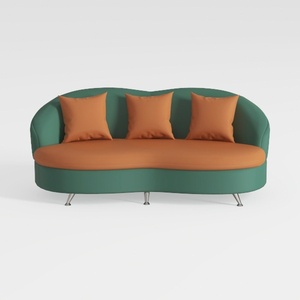

Modern Two Tone Fabric Curved Sofa With Throw Pillows 3D Model
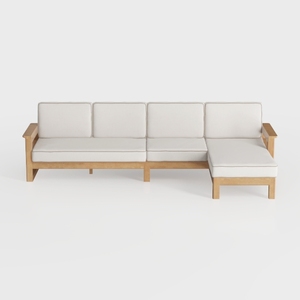
Minimalist Solid Wood Linen Outdoor Sectional Sofa 3D Model

Modern Velvet Oak Upholstered Banquette Bench 3D Model
Discover your dream space with Homestyler, the ultimate online home design platform. Its user-friendly design tool enables stunning 3D renderings, while a wealth of design projects and DIY video tutorials inspire creativity. Perfect for homeowners and aspiring designers alike—transform your visions into reality effortlessly!
Diseño ahora GRATIS
































