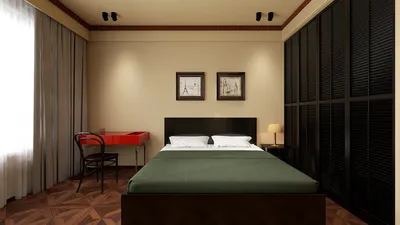


When undertaking an interior design project, it is crucial to consider the standard wall height. In most residential constructions, the typical wall height measures 8 feet (approximately 2.4 meters). Yet, this measurement can differ based on various factors including design choices, building regulations, and regional trends. For example, a growing number of contemporary homes feature elevated ceilings that often reach 9 to 10 feet, fostering a more expansive and inviting ambiance. This trend has gained popularity as homeowners increasingly desire to cultivate an open and airy atmosphere within their living spaces. Additionally, wall height plays a significant role in influencing other design aspects such as furniture proportions, window placements, and the overall aesthetic appeal of the room. Taller walls, for instance, can support larger windows, which enhance natural light and can improve the overall mood of the environment. Understanding the implications of standard wall heights is also essential for practical purposes. If you plan to install shelves or hang artwork, being aware of the wall height will help you identify suitable dimensions and positioning. It's equally important for HVAC considerations, as higher walls might necessitate distinct heating and cooling strategies to maintain comfort levels. Furthermore, it's important to address the effects of wall height on acoustic quality. While higher ceilings can add to the openness of a space, they may also present challenges in sound absorption. Thus, when crafting your design, you should contemplate sound dynamics and how wall height can impact acoustics. In the case of older homes, their wall heights may not align with modern standards; many older structures often have ceilings around 7 to 7.5 feet. Homeowners in such scenarios might think about elevating their ceilings to contemporary heights, although this can involve significant renovations and structural modifications. Overall, while the standard wall height predominantly sits at around 8 feet, a variety of factors influence this standard. Homeowners should weigh their personal tastes, the wished-for atmosphere, and practical usage when deciding on wall heights. Whether you are constructing new spaces or undertaking renovations, understanding wall dimensions is vital for creating a functional and visually appealing environment. Maximize your creativity in interior design endeavors and consider wall height implications with tools like Homestyler for optimal outcomes!
Tips
When planning your interior design, try experimenting with varying wall heights to observe how they alter the atmosphere of your area. Blending different ceiling heights can enhance visual interest and highlight specific sections of a room, especially when using Homestyler to visualize your ideas.
FAQ
Q: What is the standard wall height for commercial buildings?
A: Commercial facilities generally have higher wall heights, usually ranging from 10 to 14 feet, depending on the type of space and its intended function.
Q: Can I alter the standard wall height in my home?
A: Yes, modifying wall height is feasible, but it often requires expert help to ensure structural safety and compliance with local building regulations.
Welcome to Homestyler
Diseño ahora GRATIS
































