Halos surrounding light sources manifest as luminous rings or circles around street lamps, car headlights, and even natural phenomena like the sun and moon. This optical occurrence can be a typical aspect of visual perception or a sign of underlying eye health issues. To truly grasp halos, one must delve into their causes, consequences, and possible remedies—particularly for individuals who experience sudden alterations in their visual clarity.
Frequently Observed Causes of Halos Around Lights
1. Refractive Errors: Those who suffer from nearsightedness, farsightedness, or astigmatism may encounter halos, particularly if their prescription lenses require an update.
2. Dry Eyes: A lack of adequate moisture on the cornea can deflect light and produce halo effects.
3. Contact Lens Issues: Contact lenses that are either dirty or improperly fitted can disrupt the way light is perceived.
4. Eye Surgeries: Surgical interventions such as LASIK or cataract surgery can temporarily result in halos during recovery.
5. Cataracts: A clouded lens can scatter incoming light, leading to persistent halos—especially noticeable at night or in dimly lit scenarios.
6. Glaucoma: Elevated pressure within the eye may affect the optic nerve, with halos often accompanied by discomfort or blurred vision; this warrants immediate examination.
7. Additional Contributors: Factors such as migraines, specific medications, or observing through fogged windows can also lead to halo phenomena.
When Should You Seek Attention?
A sudden appearance of halos, particularly if they come with pain or vision loss, or if they persist without an evident cause, necessitates a visit to an eye care specialist. These could indicate serious issues, including acute angle-closure glaucoma or retinal complications.
Coping and Preventing Halos
Most halos resulting from refractive errors or transient problems are alleviated through appropriate vision correction and hydration for the eyes. For ongoing halo issues, especially linked to cataracts or post-surgical recovery, an eye care professional may propose treatments or lens upgrades aimed at reducing their occurrence.
Insight from an Interior Designer
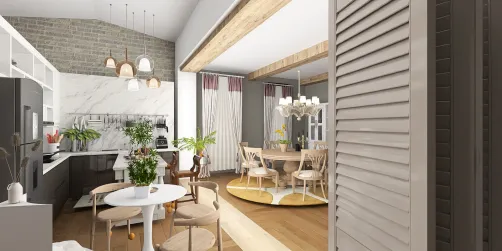
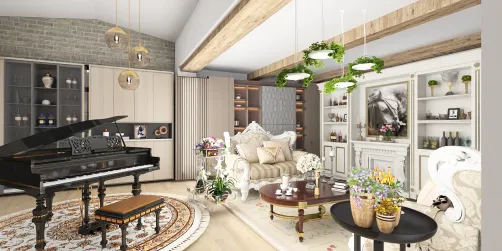
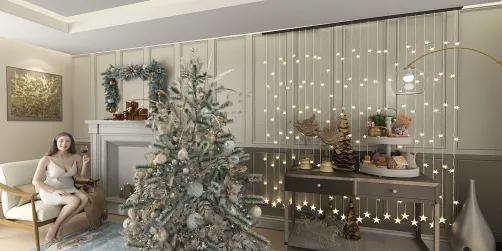
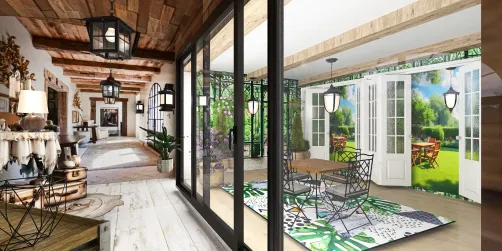
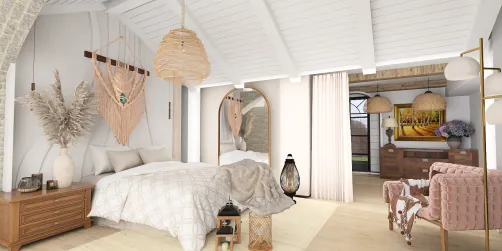
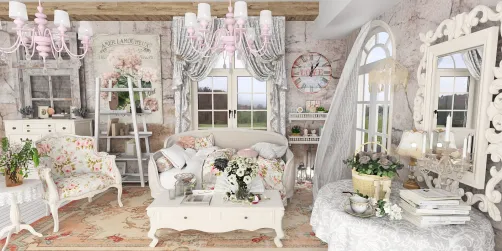
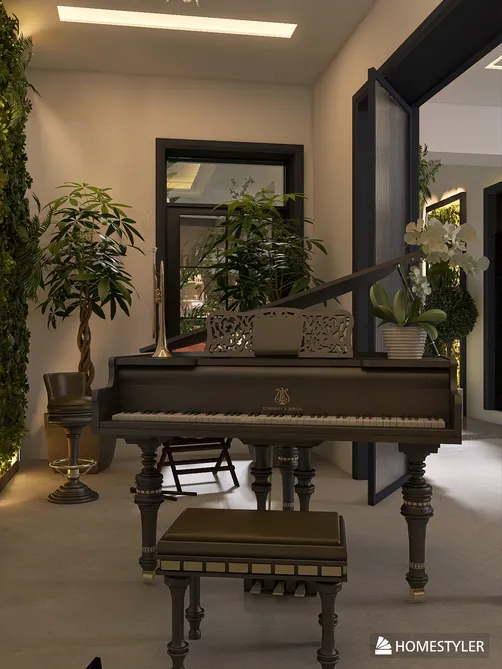
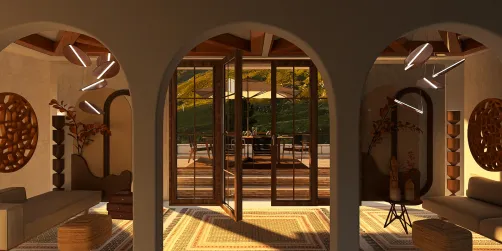
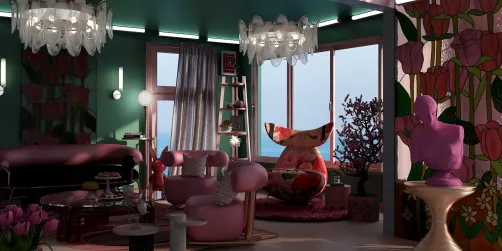
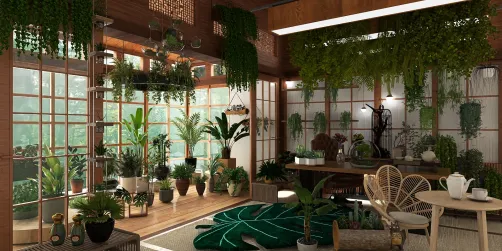
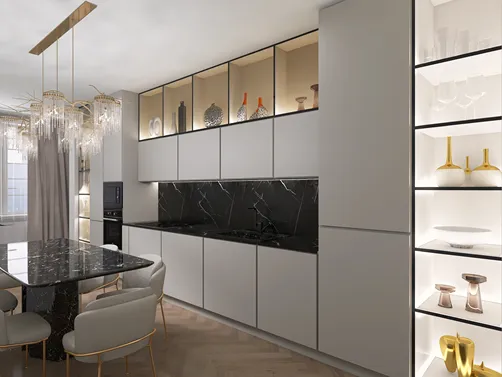
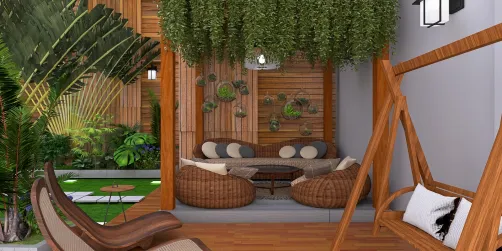
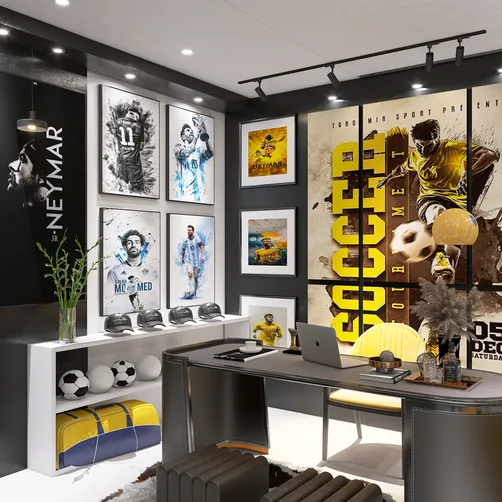
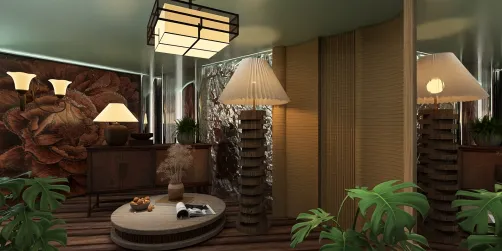
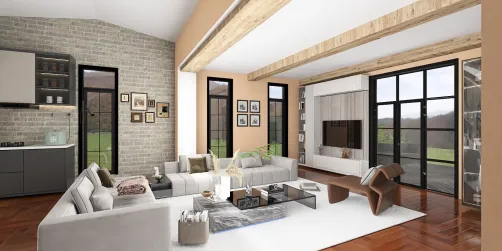
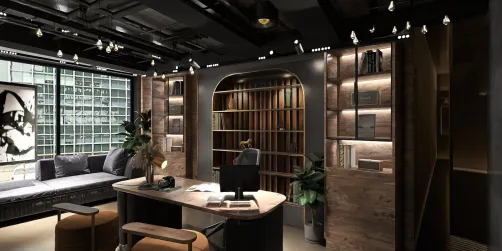
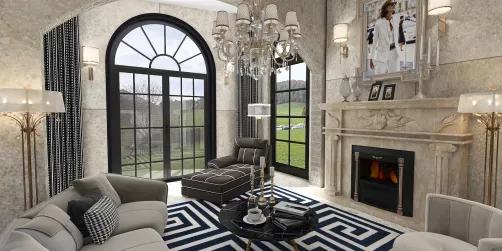
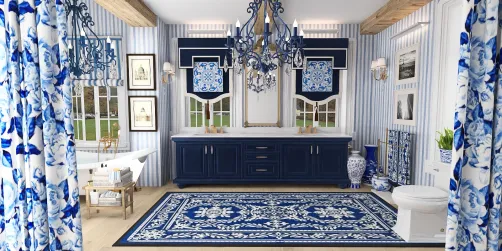
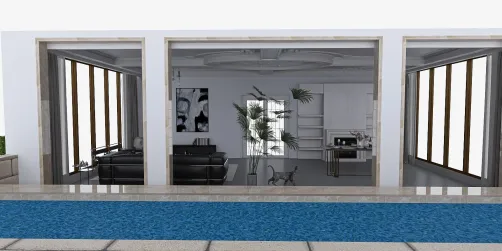
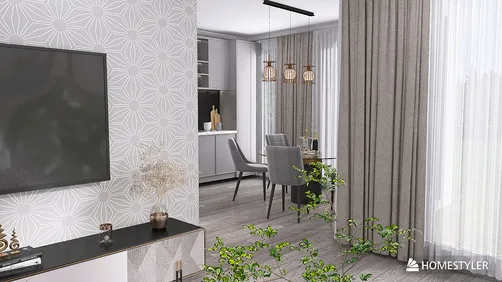
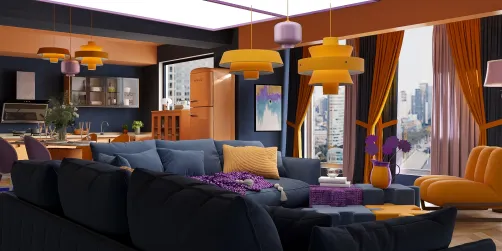
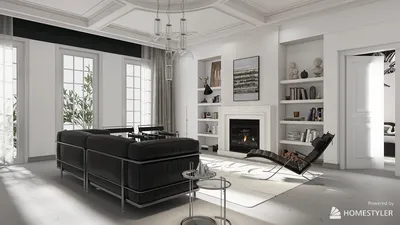
As an interior designer, the quality of lighting is crucial—not only for creating ambiance but also for enhancing general well-being. I consistently take into account how direct and indirect lighting can influence perceptions, especially in residences occupied by older adults or individuals with visual impairments. For instance, utilizing layered lighting, anti-glare fixtures, and diffused illumination can greatly reduce the discomfort caused by strong glare and light scattering. Harnessing tools like Homestyler can aid in visualizing how different lighting setups will interact with the space before making final design choices.
Advice for Optimal Lighting
Select soft and diffused light sources, ensuring strategic lamp placements to minimize direct glare and light scatter that could enhance halo effects. Incorporating matte finishes on walls and surfaces further creates a pleasant and indirect lighting environment.
Frequently Asked Questions
Q: What are the reasons behind halos around lights?
A: Halos typically arise from refractive errors, cataracts, dry eyes, or specific eye surgeries; however, they can also signify more serious conditions like glaucoma.
Q: Do halos around lights indicate vision loss?
A: Not necessarily—many instances are harmless. Nonetheless, experiencing sudden halos along with pain or changes in vision requires immediate medical evaluation.
Q: Can outside factors lead to halos?
A: Indeed, foggy conditions, dirty eyewear, or viewing through soiled windows can result in transient halos around light sources.
Q: How are halos addressed?
A: Treatments depend on the underlying cause—options may include updating prescriptions, using eye drops for lubrication, or surgical interventions for cataracts.
Q: How do lighting designs influence halos?
A: Inadequate lighting tends to elevate glare and light scattering, exacerbating halos. Designers focus on implementing layered lighting and using low-glare fixtures to ensure visual comfort.

Discover the joy of home design with Homestyler! This user-friendly platform offers an innovative online design tool, stunning 3D renderings, and an array of inspiring design projects. Plus, you can enhance your skills with DIY video tutorials. Transform your space with ease today!