


In today's connected world, dealing with a Verizon outage can suddenly shift how we interact with our living spaces. As technology fuels our daily routines, creating a home environment that supports offline activities becomes essential. Thoughtfully designed furniture can offer versatile workstations and cozy nooks, allowing us to maintain productivity and comfort even when digital connections falter.
Quick Summary
- Exterior walls generally vary in thickness from 4 to 12 inches, influenced by construction materials and local climate conditions.
- Typical 2x4 walls with drywall and siding measure approximately 4 to 6 inches in thickness, whereas 2x6 walls extend to about 6 to 8 inches.
- Brick veneer and Insulated Concrete Forms (ICF) walls usually measure between 8 to 12 inches, with thicker walls being preferable in colder climates—around 6 to 12 inches is ideal.
When undertaking the construction or renovation of a home, it is crucial to consider the thickness of exterior walls. This aspect affects insulation, structural soundness, and overall energy efficiency. Typically speaking, exterior walls range from 4 to 12 inches thick, which varies based on material choices and regional climate.
Common Wall Thicknesses
For the majority of residential buildings, standard wood framing consists of either 2x4 or 2x6 studs. A standard 2x4 wall with drywall and siding is about 4 to 6 inches thick, while a 2x6 wall typically expands to 6 to 8 inches in thickness. In areas prone to lower temperatures, opting for thicker walls can enhance insulation and energy performance.
Material Influence on Thickness
The material selection plays a significant role in determining wall thickness. For example, brick veneer constructions are usually thicker than standard wood frame walls, commonly registering between 8 to 12 inches. Furthermore, Insulated Concrete Forms (ICFs) can achieve thicknesses of 10 to 12 inches, offering superior insulation qualities.
Importance of Wall Thickness
Recognizing the significance of wall thickness is essential for multiple reasons. Thicker walls tend to provide better insulation, which translates into reduced energy expenses. They also improve sound dampening and overall structural integrity. If you are planning on a new build or renovation, assessing the thickness of your exterior walls can enhance both comfort and efficiency in your home, potentially integrating tools like Homestyler for effective design layout.
FAQ
What is the optimal thickness for exterior walls in frigid climates? It is generally advised that exterior walls in cold regions should be around 6 to 12 inches thick, particularly when using materials with strong insulation properties.
In what ways does wall thickness influence energy efficiency? Increased wall thickness allows for improved insulation, aiding in temperature regulation indoors and leading to lower energy costs.
welcome to Coohom
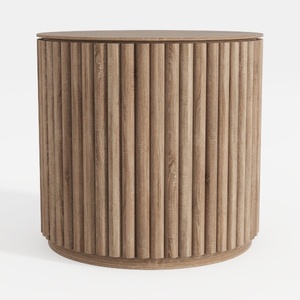
Minimalist Fluted Solid Wood Round Side Table 3D Model

Minimalist Marble Coffee Table 3D Model
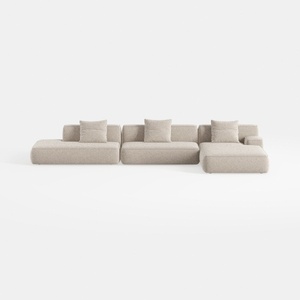
Minimalist Boucle Fabric L Shaped Sectional Sofa 3D Model
If you're looking to transform your home effortlessly, Homestyler is the ultimate online design platform for you. With an easy-to-use design tool, stunning 3D renderings, and a wealth of creative video tutorials, you can explore your decor ideas and bring them to reality—all without any prior experience!
Diseño ahora GRATIS
































