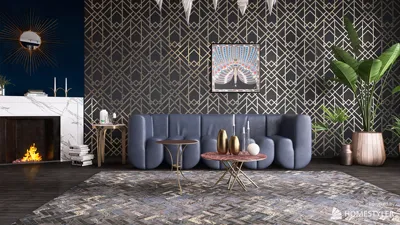


When assessing room heaters, my approach is systematic: prioritize comfort, then evaluate energy efficiency, safety features, and how well the unit fits into your space. A fashionable heater that compromises on ergonomics or noise levels can detract from the overall room experience. The ideal heater warms quickly, operates quietly, and harmonizes effortlessly with your interior design and materials. Consider utilizing tools like Homestyler to visualize how a heater will integrate into your room layout.
Data-driven comfort and safety
Thermal comfort extends beyond just feeling warm. The WELL v2 standard recommends maintaining an operative temperature of 20–24°C with relative humidity levels between 30–60% to ensure comfort in living spaces. Implementing zoning and controls can significantly enhance satisfaction. Research from Steelcase highlights that having control over one's environment correlates highly with occupant happiness, emphasizing the importance of features like adjustable thermostats and various heating modes. Furthermore, during winter evenings, IES advises minimizing glare and optimizing color temperature for lighting, as heaters with discreet indicator lights can prevent distracting luminance spikes that interrupt visual pleasure.
From an ergonomic perspective, positioning heat sources at seating level minimizes stratification; ensuring unobstructed paths at foot level is crucial for safety. Findings from the Interaction Design Foundation indicate that user-friendly controls, such as large dials and tactile buttons, help alleviate cognitive strain and prevent misuse—vital for both safety and energy conservation.
Essential features for consideration
I categorize heater selection into five core components: heating technology, wattage and coverage area, control options, noise levels, and safety mechanisms. Infrared radiant heaters offer rapid warmth suitable for smaller spaces, while convection heaters circulate air effectively for overall room comfort. Fan-forced ceramic heaters blend quick heating with efficient distribution, and oil-filled models provide smooth, quieter, and longer-lasting warmth with less glare. It's advisable to match wattage to room dimensions, using approximately 10 watts per square foot as a guideline, adjusting for insulation and ceiling height. Features such as multiple heating modes (e.g., eco or high/low) and accurate thermostats help maintain WELL-compliant temperatures without excessive overshoot.
Sound levels also play a critical role. While a heater can be technically efficient, it shouldn't be acoustically disruptive. For quieter spaces like bedrooms or reading areas, I prefer oil-filled or well-insulated ceramic heaters; in busier areas like kitchens, faster fan-forced models work well. Safety features such as tip-over protection, overheat shutoff, cool-touch exteriors, and stable bases are important to consider as well as managing cords effectively in high-traffic zones.
Design aesthetics and material choices
A heater should complement your interior design rather than clash with it. In darker, atmospheric rooms, matte finishes help reduce visual chaos; in Scandinavian-style spaces, light neutral tones with simple designs integrate seamlessly. According to Verywell Mind's findings on color psychology, warm hues (like muted terracotta or soft beige) can enhance the perception of warmth, allowing for lower thermostat settings without feeling cold. In rooms featuring timber, ensure heaters are positioned away from wood furnishings that are sensitive to dry heat; conversely, in stone or tiled areas, radiant heaters deliver effective warmth as these surfaces radiate heat nicely.
Strategic layout and placement
Heat spreads according to airflow and obstructions. I typically place convection or fan-forced heaters against colder exterior walls, angled to circulate heat towards seating areas. Radiant heaters should be located near occupants while adhering to safety clearances. Always maintain a minimum of 3 feet (about 1 meter) of clearance around the heater and avoid placing it under curtains or near soft furnishings. In multifunctional living spaces, simulating airflow paths and furniture arrangements before purchasing a heater can be advantageous—tools like Homestyler can assist in visualizing placement and traffic flow.
Energy efficiency, sustainability, and usage habits
Space heaters are typically supplemental; their effectiveness greatly depends on the quality of the room’s envelope and how you use them. Seal drafts, layer rugs in busy areas, and ensure insulated drapery is closed at night. Utilizing eco mode along with a thermostat prevents overheating cycles, and pre-warming the area 10-15 minutes before use is beneficial. Pairing the heating system with task lighting set at 2700-3000K enhances circadian comfort during winter evenings, avoiding glare. Material choices are vital—opt for durable housings made from recyclable components, and avoid finishes that may emit gases when heated.
Acoustics and comfort
In spaces such as bedrooms and media rooms, selecting quieter heaters is essential. Oil-filled radiators provide gentle convection with minimal fan noise, while ceramic models with brushless DC motors and rubber dampeners help lower vibrations. Ensure that your heater is placed on a stable surface and avoid platforms that may amplify sound. If your space features hard surfaces, adding soft textiles can help absorb sound reflections, keeping fan noise at comfortable levels.
Safety checklist I adhere to
- A tip-over switch and overheat protection are mandatory.
- The exterior should be cool to the touch, with guarded vents for intake and exhaust.
- Certified plugs and cords must have appropriate lengths and strain relief.
- Clear mode and temperature labeling is crucial.
- Stability and a broad base are essential for safety.
- Always respect clearances; avoid using extension cords for high-wattage devices.
- Regularly dust the intake to maintain airflow and reduce burning smells.
Integrating style
A heater should blend seamlessly into your decor: think low-gloss finishes, clean lines, and subtle indicators. For contemporary spaces, shades like black or graphite harmonize with hardware and fixtures; for minimalist environments, off-white tones create a cohesive palette. Conceal the unit without losing accessibility: align it with cabinetry lines, maintain parallel lines with furniture edges, and ensure cable management flows neatly along baseboards.
Selecting the ideal Homestyler model
Choose a model that aligns with your specific heating needs: radiant or ceramic are perfect for quick warmth in a desk or reading chair; convection or oil-filled are suitable for continuous room comfort. Emphasize features such as thermostat accuracy, multiple power levels, strong safety mechanisms, and build integrity. Measure your space carefully, consider existing furniture and fabrics, and maintain adequate clearances before making a purchase. If your heating spots frequently change—like from a home office to a living room—lighter ceramic models with integrated handles offer mobility, while an oil-filled unit provides sustained warmth without constant cycling in the evenings.
Frequently Asked Questions
Q1: How do I calculate the wattage needed for my room?
A1: As a basic guideline, approximately 10 watts per square foot can help determine capacity. Rooms with tight insulation and lower ceilings might require less wattage, while drafty areas or those with high ceilings may need more.
Q2: Which heater type is recommended for quick heating?
A2: Ceramic fan-forced or radiant infrared heaters provide immediate warmth. Position radiant models nearer to seating areas, and use ceramic units for quicker air circulation.
Q3: What temperature should I aim for to ensure comfort?
A3: Keeping the operative temperature between 20-24°C, with 30-60% relative humidity, aligns well with WELL v2 guidance. A smart thermostat and eco mode will help prevent exceeding optimal comfort levels and avoid dryness.
Q4: Are oil-filled radiators more energy efficient than other types?
A4: While they are not necessarily lower in wattage, their thermal inertia allows for smoother cycling which can enhance comfort and potentially decrease peak electricity use compared to rapid cycling of fan heaters.
Q5: How can I reduce noise from heaters in a bedroom?
A5: Opt for oil-filled or quiet ceramic models, place them on solid floors, introduce soft furnishings to absorb sound, and refrain from using high fan settings against hard walls.
Q6: What are the essential safety features to look for?
A6: Look for a tip-over switch, overheat protection, a cool-touch exterior, secured vents, and a stable base. Keep a clearance of 3 feet around the unit and avoid high-wattage extension cords.
Q7: Where should I position the heater for optimal performance?
A7: Position heaters on colder exterior walls or near key seating areas, angling them to enhance airflow. Steer clear of curtains and soft furniture, and use layout tools like Homestyler for best placement decisions.
Q8: Can color choice influence perceived warmth?
A8: Yes, subtly. Warm, muted colors can enhance the sensation of warmth, according to color psychology research, enabling you to set thermostat levels lower while still feeling cozy.
Q9: Is it feasible to use a space heater as a primary heating source?
A9: It’s best used as an auxiliary solution. Enhancing insulation, sealing drafts, and employing zoning strategies with your main system will yield the most efficient overall heating.
Q10: How do I ensure indoor air quality remains stable when using heaters?
A10: Maintain a relative humidity of 30-60%. Consider using a humidifier if necessary, opt for lower temperature settings, and avoid prolonged use of high fan modes.


Homestyler is your go-to online platform for home design! With its intuitive design tool, stunning 3D renderings, and a treasure trove of design projects and DIY video tutorials, transforming your home has never been easier. Dive in and unleash your creativity today!
Diseño ahora GRATIS
































