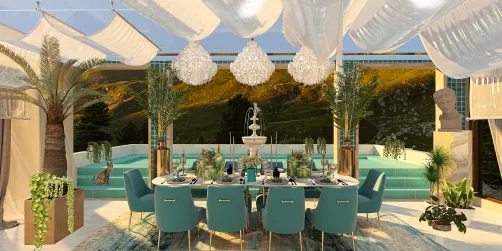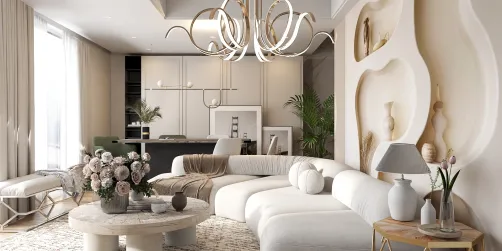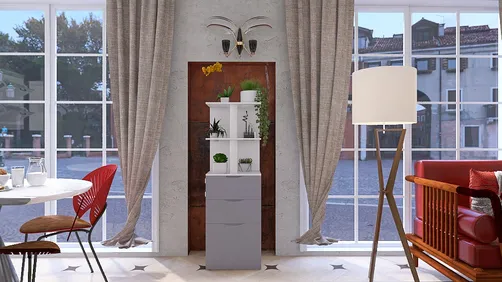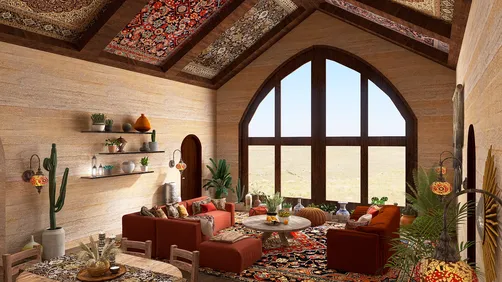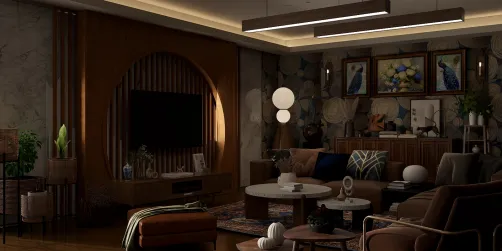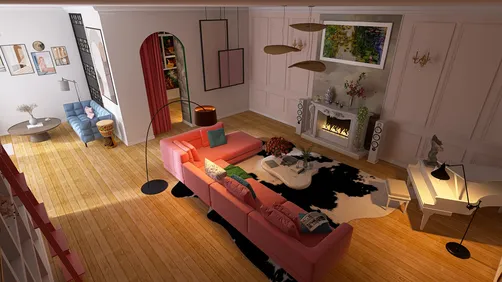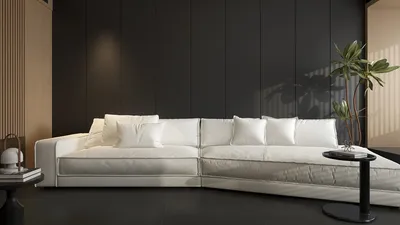
For over a decade, I have been involved in planning and designing events in Delhi, and one standout feature of Kalkaji’s banquet halls is their exceptional blend of accessibility, accommodation, and service quality. The venue's strategic location and local amenities streamline guest logistics, and the diverse capacity options make it ideal for various events, from intimate family gatherings to large corporate celebrations. In this guide, I share my approach to evaluating halls in Kalkaji, focusing on space layout, lighting, acoustics, materials, and overall operations, empowering you to host your events with ease and confidence, including using the Homestyler tool for better visualization.
Setting Event Expectations: Capacity, Comfort, and Flow
The overall experience of your guests greatly depends on the layout and space utilization. For standing events, a good rule of thumb is to allocate approximately 6–8 square feet per guest. If you're serving a seated buffet, this spaces requirement increases to 10–12 square feet per guest, especially when using round tables. Research from Steelcase highlights how environmental factors like noise levels, lighting, and spatial clarity can dramatically impact attendee performance and satisfaction. The WELL v2 guidelines reinforce that acoustic and lighting standards are vital for comfort, especially in halls hosting lengthy ceremonies, and using tools like Homestyler can be invaluable in planning these aspects.
Kalkaji's Location Advantages
Positioned near Nehru Place and well-connected to major roadways and metro lines, Kalkaji offers logistical benefits that facilitate guest arrivals and vendor management. For optimal guest flow, it’s advisable to implement staggered entry timings along with clear signage directing guests from drop-off points to pre-function areas. In practice, I typically allocate a 1.5–2 meter corridor width for every 150–250 guests arriving in a 20-minute window to prevent congestion. Utilizing acoustic buffering techniques, such as soft partitions and carpeted runners, can also minimize transient noise, creating a tranquil welcome environment.
Planning Event Spaces: Seating, Staging, and Service Routes
Effective layout planning starts with ensuring both visibility and smooth movement. Maintaining at least 1.2 meters between rows of tables is essential for unobstructed service, while reserving 2–3 meters in front of stages for performers' mobility. I often create three distinct zones for weddings: the ritual center (like a mandap), the ring of guest seating, and a service area around them. Using a room layout tool like Homestyler can help alleviate uncertainties by enabling you to visualize table arrangements and service pathways before finalizing vendor numbers.
Lighting Considerations: Creating Atmosphere and Clarity
The quality of lighting significantly enhances guests' experiences and the memorable moments captured in photos. It's advisable to aim for a lighting level of 200–300 lux at dining tables to ensure comfort, while stages thrive under 500–750 lux with controlled glare. Adhering to IES standards is crucial as they caution against harsh lighting contrasts, favoring warm white tones (2700–3000K for dining, and 3000–3500K for speeches) that will keep natural skin tones intact. Integrating dim-to-warm LED lights with uplighting can soften the event's visual features, while careful selection of materials for tables can greatly impact overall photo quality.
Creating Acoustic Comfort: Balancing Sound and Speech
In spaces where speeches, ritual music, and conversations occur simultaneously, a reverberation time (RT60) exceeding about 1.2 seconds can make speech unintelligible. To combat this, consider incorporating sound-absorbing materials such as carpets, upholstered panels, and drapery. Breaking up parallel walls with diffusing elements can also aid in sound management. For DJs, it's critical to isolate bass sounds from stage mic areas and maintain a disciplined sound pressure level (SPL) of 80–85 dB near dance areas, tapering down to 70–75 dB in dining sections to ensure an enjoyable auditory experience.
Selecting Colors and Materials: Merging Psychology and Functionality
The right color palette, featuring warm neutrals and understated jewel tones, can significantly influence the ambiance of nighttime events, fostering social interaction while not detracting from guests' attire. Studies on color psychology suggest that warm shades can enhance sociability, whereas blues and greens can create a calming atmosphere—using accent colors sensibly can maintain visual equilibrium. When selecting materials, opt for durable, stain-resistant fabrics and low-VOC finishes, alongside slip-resistant surfaces in high-traffic areas, to ensure both practicality and aesthetics.
Designing Service Areas: Buffets, Bars, and Back-of-House
For gatherings exceeding 250 guests, implementing two-sided buffet stations and ensuring 1 meter of clearance on each side can streamline service. Positioning bars strategically, out of the main traffic flow yet clearly visible from seating areas, minimizes congestion. The recommended server-to-guest ratio is 1:75–1:100 for plated meals and should increase during high-turnover buffer events to around 1:50. Maintaining a clear back-of-house loop with 1.2 meters of width allows staff to operate without disrupting guest experience; in venues with limited BOH space, rolling partitions can create flexible staging areas for food preparation and decor changes.
Thoughtful Stagecraft and Ritual Layouts
For wedding ceremonies, a stage measuring 4x6 meters can comfortably accommodate couples, officiants, and a small performing ensemble. Utilizing low-glare front lighting and soft side fills enhances visual appeal while minimizing backlighting effects, which can lead to undesirable photo lighting. Mandaps benefit from having a clear height of 2.7–3.0 meters for floral arrangements. In corporate contexts, ensure ADA-compliant ramps and well-planned camera placements for seamless viewing and accessibility.
Efficient Vendor Coordination and Planning Timelines
Creating a detailed timeline for load-ins, sound checks, decor assembly, catering preparations, and lighting setups is crucial. Given the traffic patterns in Kalkaji, aiming for earlier load-ins can ease last-minute stresses. Ensure that audiovisual setups and lighting adjustments are concluded at least three hours before guests arrive, allowing for vital last-minute photo tests under show lighting. Distributing a clear floor plan and service layout to vendors minimizes the risk of overlaps during peak activity.
Ensuring Guest Comfort: The Importance of Small Details
Maintaining stable temperatures and high air quality elevates the event experience. Avoid direct drafts on tables and provide adequate signage alongside a staffed welcome area. Designated quiet zones for the elderly and parents with infants enhance comfort, and routes accommodating wheelchair access for all key areas are essential. Well-placed hydration stations contribute to guest wellness throughout lengthy ceremonies, in line with best practices.
Embracing Sustainability and Practical Resilience
Implementing LED lighting, using washable linens, and selecting reusable decor options reflect a commitment to sustainability. For floral arrangements, consider a thoughtful mix of fresh and preserved elements to curtail waste and weight. Additionally, assure your generator and backlighting circuits are adequate to manage emergencies, maintaining a minor wash that can be activated independently of the full lighting systems. Early separation of waste types ensures a tidy back-of-house area throughout the event.
Kalkaji Halls: Shortlisting Key Features
- Capacity accommodating your guest list while ensuring realistic aisle widths
- Ceilings high enough to support decorative and acoustic requirements
- Sufficient power and rigging access for audiovisual needs
- Proximity to parking or valet systems aligned with guest peak periods
- Clean, adaptable pre-function areas for staging and photo opportunities
- Well-defined BOH pathways separated from guest movement
- Vendor-friendly protocols and adequate buffer time for post-event load-out
Frequently Asked Questions
Q1: How can I accurately determine the appropriate hall size for 300 guests?
A: For a seated buffet, aim for around 10–12 square feet per guest, along with additional space for stage and service areas, resulting in approximately 3,800–4,600 square feet in total.
Q2: What color temperature is ideal for evening wedding lighting?
A: A color temperature of 2700–3000K at tables for warmth combined with 3000–3500K for stage speeches is optimum for maintaining natural skin tones and ensuring clarity in photography.
Q3: How can I effectively reduce echo in a spacious hall?
A: Introduce soft finishes such as carpets and drapes, and install sound-dampening panels while breaking up parallel wall surfaces to enhance speech clarity, keeping RT60 around 1.0–1.2 seconds.
Q4: What is a suitable server-to-guest ratio during events?
A: A server-to-guest ratio of 1:75–1:100 is ideal for plated meals; increase this to 1:50 during peak buffet service times to ensure smooth operations.
Q5: Where is the best place to position the bar to mitigate congestion?
A: Bars should be placed along the perimeter with clear sightlines to seating arrangements, ensuring at least 2 meters of clearance in front and away from crowded entry points.
Q6: When should vendors arrive for events at Kalkaji?
A: Vendors should plan for morning load-ins for evening occasions. AV and lighting setups should be finalized at least three hours prior to guest arrivals for proper testing.
Q7: What table spacing optimizes comfortable service?
A: Maintain a gap of 1.2 meters between table rows for easy navigation for both servers and guests, and dedicate 2–3 meters in front of stages for performer movement and photography.
Q8: What color strategies should I consider for visually appealing decor?
A: Utilize warm neutrals with muted jewel accents to enhance depth while avoiding glare, pairing matte table linens with satin drapery to reduce reflective light issues under bright downlights.
Q9: How do I ensure safe accessibility for all guests?
A: Incorporate ADA-compliant ramps, wide aisles, and clear paths for wheelchair access throughout the venue, while providing quiet seating options for seniors.
Q10: What volume levels are most suitable for music during events?
A: For dance areas, maintain sound levels around 80–85 dB, reducing to 70–75 dB in dining settings. Keep subwoofer placements away from microphone zones for clear speech.
Q11: How can I preview the seating plan prior to confirming bookings?
A: Utilize an interior layout planner to visualize table counts, aisle dimensions, and service routes in both 2D and 3D prior to finalizing arrangements.
Q12: What sustainable practices can I realistically implement for banquet events?
A: Opt for LED lighting solutions, reusable decorative elements, low-VOC finishes, and efficient waste-management strategies. Mixing preserved florals with fresh arrangements can significantly cut down on waste and setup time.
If you're looking to transform your space effortlessly, try Homestyler! This user-friendly online design platform offers powerful 3D rendering, a variety of design projects, and helpful DIY video tutorials. Unleash your creativity and turn your home design dreams into reality with ease!