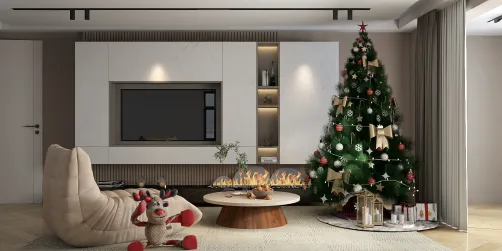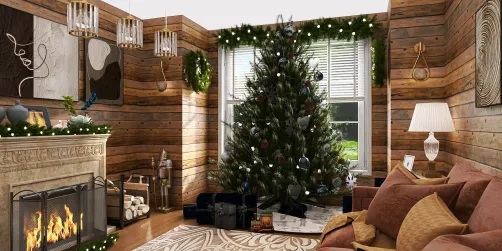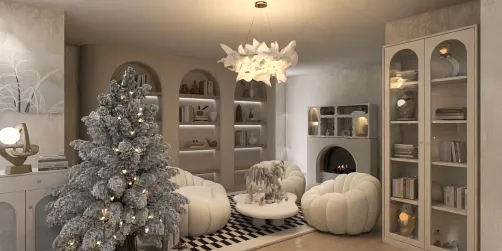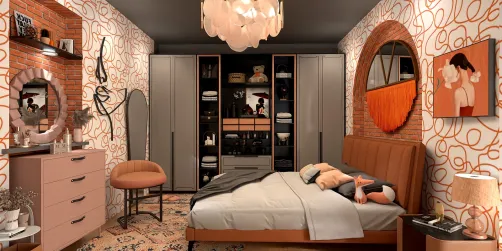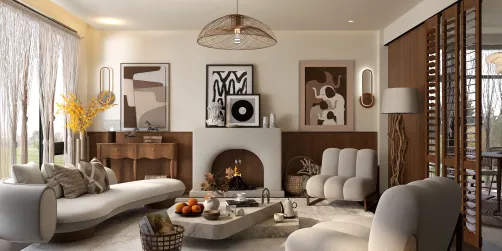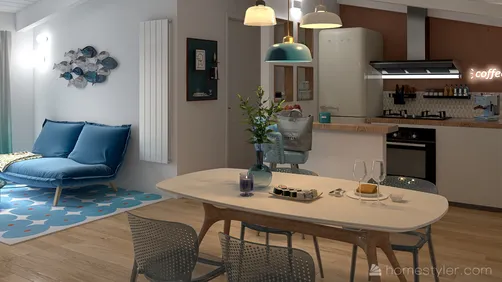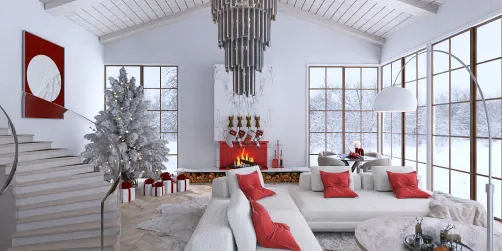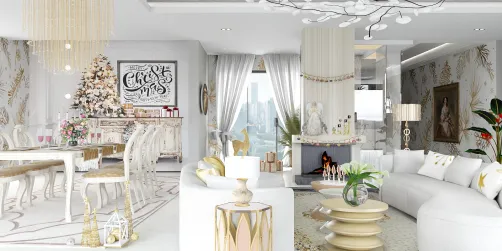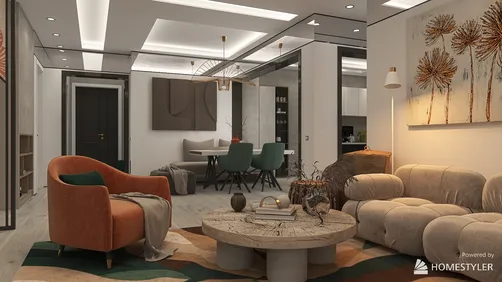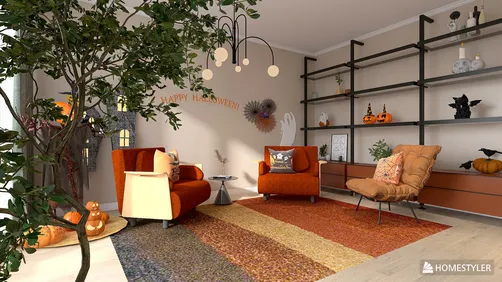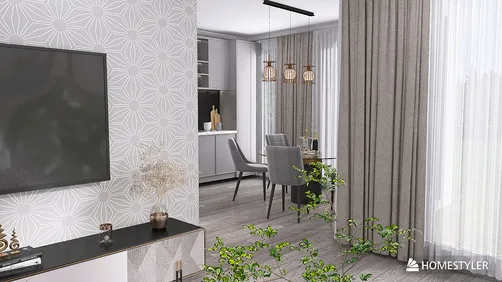
As we look towards the future, the challenges of time scarcity, hybrid work arrangements, and multigenerational living are increasing. This has led to the rise of two-floor designs serving as dynamic negotiation platforms. Reports from the AIA highlight a sustained interest in adaptable layouts and wellness-oriented features, demonstrating that house plans with two floors are not merely aesthetic choices but essential adaptive solutions. My design philosophy embraces the notion that tomorrow's needs shape today's blueprints, converting apprehension into a harmonious spatial rhythm using tools like Homestyler for effective spatial reasoning.
Split-Level Design with Peaceful Upper Deck
Design Philosophy: The main social interactions are positioned on the ground floor, while restorative spaces are located upstairs—acoustic zoning and circadian rhythm considerations are vital for future mixed-use schedules.
Flow: The layout guides you from the entryway, through a drop zone, into the kitchen area, leading to a lively living space, up the stairs that act as a conduit, and into the sleeping quarters; it’s designed to avoid dead ends and encourages dynamic movement.
Sightlines: A diagonal view extends from the entryway to the garden, providing visual separation for a workspace, while the staircase adds intrigue rather than merely exposing adjacent areas.
Storage: Incorporating storage solutions such as under-stair compartments, deep wall pantries, and linen closets near bathrooms, ensuring organization is layered much like memories.
Furniture Consideration: Sofas should ideally be 36–38" deep, tables at 72" x 36", and clearances of 36" around queen beds promote comfort, maintaining posture and breathing space.
Conclusion: In the coming five years, blending various uses will stabilize; this split-level design effectively separates noise from focus, ensuring family connections remain intact without interference.
save pin
Dual-Aspect Living with a Central Hub
Design Philosophy: Having dual exposures enhances natural light and mood; a centrally located stair acts as a router between communal areas and private quarters.
Flow: The layout transitions from the front parlor through the central hub into kitchen/dining spaces and out to the terrace, with the upper hub leading to bedrooms, a shared bath, and a versatile studio.
Sightlines: Visibility is strategically layered from the entry to the back garden; the views to bedrooms are indirect, akin to an interactive user interface.
Storage: Features like window-seat drawers, bench storage near the entry, and vertically aligned closets provide quick access near hubs while maintaining deep storage options at the periphery.
Furniture Consideration: Utilizing modular sectionals, a 30" work desk in the studio, and a dining area for six at 84" creates a structured yet flexible living environment.
Conclusion: The central hub facilitates movement similarly to coding, adapting as needs evolve, whether for parenting, hosting gatherings, or focused work sessions.
save pin
Longitudinal Design with Utility Core
Design Philosophy: A utility spine at the back of the house aligns essential services and simplifies maintenance; future requirements for electrification and water conservation will fit seamlessly into this layout.
Flow: Entering through the side leads into a mudroom, which connects to the kitchen and living area, while the staircase integrates with utility zones, leading to bedrooms and a compact library.
Sightlines: The design allows for clean, axial views; window placements capture daylight while minimizing glare, with private spaces thoughtfully concealed like hidden menus.
Storage: The utility spine provides deep pantry spaces, gear lockers, and laundry storage, with a focus on proximity to energy areas for efficient use.
Furniture Consideration: Narrow-profile credenzas and hallways should maintain a clearance of 30–34", with bunk beds in children's rooms; this arrangement keeps interactions smooth and seamless.
Conclusion: Over the next five years, a systems-first approach will prove beneficial: upgrades can be modular, making daily living feel effortless and low-latency.
save pin
Final Insight
Two-floor house plans transcend conventional space allocation; they function as layered interfaces that balance connectivity, privacy, and daily rituals. In a world embracing hybrid lifestyles, well-designed staircases, disciplined sightlines, and smart storage solutions transform a two-story layout into a resilient living system. The most effective house plans featuring two floors will prioritize responsiveness to light and readiness for electrification; from my perspective, intentional design trumps mere square footage every time.
Homestyler is your go-to online home design platform! With its user-friendly design tool, stunning 3D renderings, and a wealth of inspiring design projects and DIY video tutorials, transforming your space has never been easier. No experience needed—let your creativity shine!