

Direct Answer
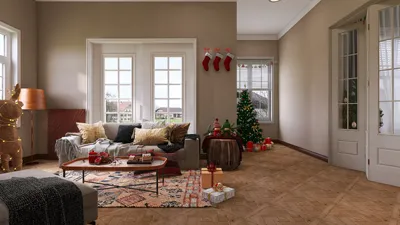
You can enhance an actual apartment by applying the design principles found in the Will and Grace apartment layout, focusing on creating a social living room centerpiece, preserving unobstructed views between the kitchen and living areas, and arranging furniture to promote conversation rather than TV watching. This layout succeeds because it balances openness with clearly defined zones, a concept that transfers effectively to modern living spaces.
Quick Takeaways
Introduction
The Will and Grace apartment layout has intrigued interior designers for years, not only due to the show's popularity but also because the space functions remarkably well from a design viewpoint. After renovating numerous urban apartments across cities like Los Angeles and Chicago, I’ve observed that the sitcom's spatial concepts often resolve practical layout challenges in real homes.
A common problem in many apartments is that the living room becomes a stagnant area focused solely on the television, while the kitchen and walkways feel cramped. The Will and Grace set avoided this by emphasizing conversation, movement, and visual openness throughout the space.
For those looking to experiment with layouts before physically moving furniture, I often suggest digital tools similar to those professionals use for planning furniture arrangements in small apartments. Visualizing the space truly transforms how one thinks about placement.
In this guide, I will dissect the design logic underpinning the apartment and demonstrate how to adapt it to real-world spaces—even small rental units that don’t resemble a TV set.
save pin
Core Layout Principles Behind the Will and Grace Apartment
Key Insight: The strength of the Will and Grace apartment layout lies in social-first zoning rather than architectural form.
Unlike typical apartments, the sitcom’s set wasn’t shaped around traditional walls but designed to foster interactions between characters. This conceptual approach is surprisingly beneficial in actual residential design.
Three core structural principles make the layout effective:
In practical projects, I apply a rule of thumb: when entering an apartment, if seating is the first visual focal point instead of clutter or obstacles, the space instantly feels more intentional.
Set designers have applied this strategy for decades. Production designer Jon Shaffner, who worked on numerous sitcoms, has explained that spaces are typically arranged so characters interact easily within a single visual frame. Remarkably, the same principle produces excellent layouts for real homes.
Creating a Social Living Room Centerpiece
Key Insight: Seating arranged to face one another first, and the television second, creates the most effective living room setup.
This is a subtle yet powerful lesson from the show. Many people mistakenly think its set is TV-centric, but notice that couches and chairs primarily encourage dialogue.
To achieve this effect:
In compact apartments, this might seem counterintuitive since some worry floating furniture wastes space. However, free-standing seating typically enhances flow and alleviates cramped feelings.
I often create digital mockups of these layouts beforehand, using platforms like Homestyler to visualize furniture placement within an accurate apartment floor plan. Once clients see the 3D renderings, the rationale becomes clear.
save pin
Open Sightlines Between Kitchen and Living Space
Key Insight: Ensuring uninterrupted sightlines between the kitchen and living area makes smaller apartments feel significantly more spacious.
A notable feature of the Will and Grace apartment is that the kitchen never feels isolated. Characters freely move in and out while conversations continue seamlessly in the living space.
This openness can be replicated in real homes without major renovations by:
Architectural research demonstrates that uninterrupted visual pathways increase the perceived size of a room more effectively than adding square footage. Practical fixes like lowering a cabinet or relocating shelving can dramatically alter the sense of space in a home.
save pin
Furniture Placement Inspired by the Show
Key Insight: Angling furniture rather than aligning it perfectly parallel to walls creates dynamic flow through the apartment.
A detail often overlooked is that the sitcom's set rarely has furniture flush against walls. Slightly angled pieces help make the environment feel more natural and open.
Try this approach:
Many novices make the error of pushing furniture tightly against walls—a design pitfall known as the "perimeter trap." This strategy paradoxically makes rooms appear smaller.
Floating furniture, even offset by 8 to 12 inches, adds breathing space and better spatial balance.
Optimizing Small Apartments With Similar Layouts
Key Insight: The sitcom’s design adapts very well to small apartments as long as spatial zones are distinctly defined.
Contrary to assumption, the TV set’s usable floor area was comparable to many one-bedroom city apartments.
Here are practical steps I use when designing compact homes:
One highly effective method is previewing redesigns through realistic 3D renderings before purchasing new furnishings. Many homeowners avoid costly errors by simulating the full apartment layout digitally, often using tools like Homestyler.
save pin
Lighting and Decor That Capture the Same Atmosphere
Key Insight: The apartment’s iconic vibe stems from layered lighting schemes combined with distinctive personality-rich decor.
Although the show’s lighting was camera-focused, its layering approach translates beautifully to authentic interiors.
An effective lighting plan includes:
Decor significantly contributes as well. The apartment famously balances classic furniture with eclectic art and vibrant colors. This layered personality approach ensures spaces avoid feeling overly staged or sterile.
Answer Box
The Will and Grace apartment layout proves successful in real homes because it centers social activities, maintains clear sightlines, and positions furniture flexibly. By prioritizing the living area as a social hub and ensuring fluid visual connections between rooms, even small apartments feel larger and cozier.
Final Summary
FAQ
Is the Will and Grace apartment layout realistic?
Yes, while originally designed for filming, its social-centric layout mirrors principles adopted in many contemporary open-concept apartments.
What contributes to the spacious feel of the Will and Grace apartment layout?
Unobstructed sightlines between the kitchen and living room, coupled with furniture placed away from the walls, generate a more open atmosphere.
Can small apartments benefit from this design style?
Absolutely, smaller homes often gain the most from seating arrangements focused on conversation and maintaining visual openness.
How do you recreate a sitcom-style living room?
Concentrate on arranging seating for dialogue, layering lighting thoughtfully, and adding unique decor elements to give the space character.
What is the biggest error when mimicking the layout?
A common mistake is placing all furniture against the walls. The original design depends on floating pieces to define distinct zones.
Does the Will and Grace layout work in studio apartments?
Yes, by using rugs and lighting to create distinct zones, the layout’s structure can be emulated even without separate rooms.
Why does the living room feel like the apartment’s focal point?
Because the layout visually links the entry, kitchen, and seating areas, making the living room the natural gathering spot.
What decor style aligns best with the Will and Grace apartment?
Eclectic interiors combining traditional furniture, bold artworks, and layered lighting recreate the same inviting ambiance.
References
Sources include interviews with television production designers about sitcom sets, Architectural Digest articles on TV interior design, and guidelines from the American Society of Interior Designers on residential layouts.
Homestyler's roots trace back to Autodesk, the global leader in design and engineering software. That heritage lives on in every feature we build. Today, with a community of more than 18 million users worldwide, Homestyler continues to make professional-quality interior design accessible to everyone — from first-time decorators to seasoned architects.
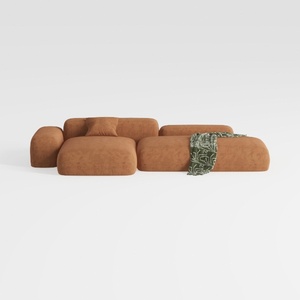
Minimalist Brown Fabric Modular Sectional Sofa 3D Model

Minimalist Fabric L Shaped Sectional Sofa 3D Model
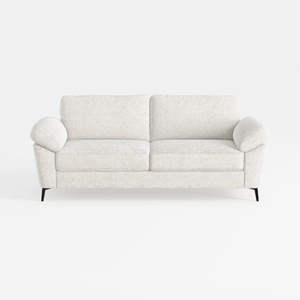
Minimalist Fabric Loveseat Sofa with Black Metal Legs 3D Model
Homestyler offers a user-friendly online design tool with stunning 3D renderings, inspiring interior projects, and helpful DIY video tutorials. It’s perfect for anyone looking to easily create and visualize beautiful home designs.
Diseño ahora GRATIS
































