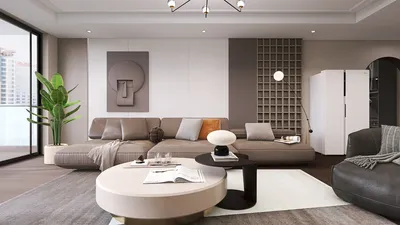


In today’s tech-savvy lifestyle, devices like the Oura Ring 5 are revolutionizing how we monitor our health and wellbeing right from home. Integrating such advanced wearables inspires new ways to design living spaces that promote relaxation and recovery. Thoughtfully arranged furniture and calming environments can complement the data-driven insights these gadgets provide, creating a harmonious blend of technology and comfort in your personal sanctuary.
Direct Answer
The most effective small living room with a sliding glass door is designed by positioning furniture to respect the door’s light entry and traffic paths. Opt for low-profile seating, adaptable layouts, and layered lighting so that the glass door visually extends the room instead of becoming an obstruction.
In numerous projects I've worked on, the layouts that succeeded best treated the sliding glass door like an additional window wall—organizing the room by focusing on natural light, views, and movement.
Quick Takeaways
Introduction
Although designing a small living room with a sliding glass door may seem straightforward, arranging furniture often poses a challenge. From my experience with many apartments and compact homes, the sliding door frequently disrupts wall space and traffic flow despite flooding the area with natural light.
A frequent error is treating the sliding door as if it were a solid wall, crowding furniture against it. This approach blocks sunlight, makes the room feel confined, and wastes the door’s visual potential.
Conversely, the sliding glass door should be integrated into the spatial design. With the right layout, scaling, and styling, a small living room can feel significantly more spacious.
Why Sliding Glass Doors Are Actually an Advantage in Small Living Rooms
A sliding glass door can enhance the perception of space by visually extending the interior through outdoor views when the layout supports this effect.
While many see the door as a limitation due to decreased wall space, it can actually magnify a small living room’s perceived size.
In several small condo projects in Los Angeles, merely aligning sightlines to a balcony made a 150-square-foot living room appear nearly twice as large.
Interior designers refer to this phenomenon as the "borrowed space" effect, where the brain perceives the area beyond the glass door as part of the room.
How Should You Arrange Furniture Around a Sliding Glass Door
The optimal layout preserves an unobstructed path along the door and positions seating perpendicular to the glass to maintain circulation and light flow.
Common mistakes include placing a sofa directly facing the sliding door and impeding foot traffic. Instead, view the sliding door as a clear circulation corridor.
Successful layouts often keep at least 36 inches of free walking space along the sliding door track.
10 Small Living Room With Sliding Glass Door Ideas
Visual strategies usually have a greater impact than actual square footage in compact living spaces.
Reducing bulky furnishings enhances the sense of openness more than entirely removing multiple pieces.
What Furniture Works Best in a Small Living Room With a Sliding Glass Door
Using lightweight, narrow-based furniture prevents visual blockage and allows natural light to permeate deeper into the room, expanding perceived space.
Furniture scale is often underestimated in small rooms, but selecting appropriate pieces can dramatically improve the environment.
Should Curtains or Blinds Be Used on Sliding Glass Doors
Sheer, layered curtains are recommended because they offer privacy without sacrificing the entry of natural daylight.
Heavy drapes tend to visually constrict door width, whereas floor-to-ceiling curtains can make ceilings appear taller and rooms feel airier.
Common Layout Mistakes People Make With Sliding Glass Doors
The primary design error is obstructing natural light or pathways near the sliding door, which compromises room balance and openness.
Often, the simplest fix is to decrease furniture pieces and choose better-scaled elements to enhance flow and spatial harmony.
Answer Box
A small living room featuring a sliding glass door looks more expansive when furniture maintains low profiles, pathways remain unblocked, and natural light fills the space. Emphasizing flexible layouts and light materials allows the glass door to serve as a visual extension.
Final Summary
FAQ
1. How do you decorate a small living room with a sliding glass door?
Select low-profile furniture, light-colored fabrics, and mirrors to amplify light. Ensure pathways to the door stay clear to optimize movement and illumination.
2. Where should the sofa go in a small living room with a sliding glass door?
Place the sofa perpendicular to the sliding glass door or allow it to 'float' in the room, avoiding blockage of the door’s pathway.
3. Can you put a TV near a sliding glass door?
It’s possible but avoid positioning it directly opposite strong sunlight to prevent glare interfering with viewing.
4. What curtains work best for sliding glass doors?
Sheer curtains combined with optional blackout layers work best, maintaining natural light during the day and privacy at night.
5. Do sliding glass doors make rooms look bigger?
Yes, they introduce natural light and depth, making compact living rooms feel more spacious.
6. What colors work best in a small living room with a sliding glass door?
Light neutrals like soft whites, warm beiges, and pale grays effectively reflect incoming natural light.
7. Should furniture block a sliding glass door?
No, blocking the door hinders movement and cuts off valuable daylight from entering the room.
8. How do you maximize space in a small living room?
Choose multifunctional furnishings, keep walking paths open, and utilize vertical storage solutions.

Modern Minimalist White Fabric L Shaped Sectional Sofa with Throw Pillows 3D Model
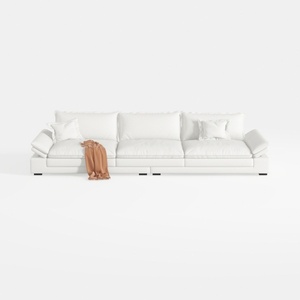

Minimalist White Leather Extra Large Sofa 3D Model
GarveeHome 6 Drawer Dresser for Bedroom, Antique
Homestyler offers an easy-to-use online design tool paired with stunning 3D renderings, inspiring interior projects, and helpful DIY video tutorials. It’s the ideal platform to creatively visualize and plan your home decor with confidence.
Diseño ahora GRATIS
































