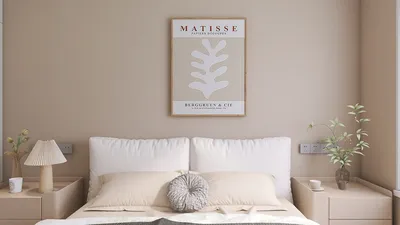


Direct Answer
Optimal optimization of a small bedroom housing two beds involves maximizing vertical space, incorporating multifunctional furnishings, and ensuring unobstructed pathways for easy movement. Beyond simply arranging the beds, significant improvements come from utilizing wall-mounted storage, organizing beneath the beds, and designing layouts that minimize wasted floor area.
When these approaches are combined effectively, even a compact bedroom can comfortably accommodate two separate sleeping zones without a cramped atmosphere.
Quick Takeaways
Introduction
Designing a small bedroom that fits two beds is a frequent challenge observed in family homes and tight apartments alike. Whether parents want their children to share a room, guests require flexible sleeping arrangements, or roommates need to optimize limited space, the goal is always the same.
Often, the challenge doesn’t stem from the beds, but from inefficient use of the surrounding space.
Over a decade working on compact bedroom designs, it’s noticeable that many focus solely on fitting two beds without considering traffic flow, layered storage solutions, or vertical utilization of space.
I recommend starting with a quick sketch or a digital plan, such as one created with Homestyler, to visualize available walking areas and storage potential. Such interactive tools can reveal wasted space that’s easy to overlook on paper.
In this guide, I’ll share designer-tested methods to enhance small bedrooms with two beds while preserving comfort and functionality.
save pin
Core Principles of Space Efficiency in Compact Bedrooms
Insight: The best layouts for small shared bedrooms remove unnecessary gaps between furnishings.
Many rooms appear cramped not due to limited size but because furniture placement leaves awkward empty zones. In bedrooms with two beds, optimizing every inch is crucial.
Three main rules govern effective shared-bedroom setups:
In recent apartment designs, simply pushing each bed against opposite walls increased usable floor space by nearly 20%.
This minor adjustment can often eliminate the need for extra furniture altogether.
Exploiting Vertical Space for Storage and Sleep Areas
Insight: Vertical storage represents the most underestimated opportunity in shared bedrooms.
While most think horizontally when arranging rooms, professional designers focus vertically.
Storage solutions that save floor area depend on upward utilization rather than accumulating more pieces on the ground.
Although bunk beds are a classic option, even conventional twin beds benefit from vertical storage techniques.
Trying layouts with tools like Homestyler’s floor plan creator can quickly demonstrate how vertical storage relieves floor clutter.
save pin
Furniture Serving Double Functions
Insight: Each main furniture item in shared bedrooms should fulfill multiple roles.
A frequent error is adding dressers after positioning beds, which usually consume excessive space.
Replacing single-purpose furniture with multifunctional alternatives is preferable.
Common designer choices to save space include:
For example, in a 90-square-foot kids’ bedroom project in Los Angeles, opting for beds with built-in storage eliminated the need for a dresser, freeing up nearly six square feet.
save pin
Maintaining Clear Walkways Between Beds
Insight: A cramped feeling often results from blocked circulation, not merely limited space.
Fits for two beds don’t guarantee functionality without good walking paths.
Designers typically recommend these minimum clearances:
When these clearances are impossible, staggered layouts can be very effective, such as:
Visualizing walking space with 3D layouts—tools like Homestyler offer tutorials for bedroom visualization—helps identify circulation issues before heavy furniture is moved.
Wall-Mounted and Foldable Furnishing Options
Insight: Eliminating furniture legs from the floor immediately expands visual and physical space.
Floating furniture not only introduces a sleek modern look but also simplifies cleaning and lightens room aesthetics.
Top options include:
Fold-down desks work especially well in shared teen bedrooms because they vanish when not needed.
save pin
Visual Design Techniques to Enhance Spaciousness
Insight: How spacious a room feels can be as important as its actual size.
Shared small bedrooms often feel tight due to accumulation of visual clutter.
Effective design strategies include:
Symmetry also enhances perceived order; when two beds face each other, the space feels more intentional than cramped.
Answer Box
The best approach to optimize a small bedroom with two beds combines vertical storage, multifunctional furniture, and ample circulation space. By elevating storage and removing bulky pieces, a room gains usability without compromising bed comfort.
Final Summary
FAQ
Can two twin beds fit in a small bedroom?
Absolutely. Bedrooms around 90 to 100 square feet can usually accommodate two twin beds comfortably with proper wall placement and shared storage.
What is the most space-efficient layout for two beds in a small room?
Positioning beds parallel against opposite walls or utilizing bunk beds are typically the most efficient configurations.
How can a small bedroom with two beds be optimized?
Implement vertical storage, use drawers under beds, choose floating furniture, and incorporate shared nightstands to reduce the furniture footprint.
Are bunk beds always the optimal solution?
Not necessarily. While bunk beds save space, they can limit flexibility. Two low twin beds with storage underneath often offer better long-term use.
Which furniture pieces maximize space in shared bedrooms?
Options like storage beds, floating shelves, wall-mounted desks, and slim wardrobes enhance usable space.
What is the recommended space between two beds?
A clearance of 24 to 30 inches is ideal for comfortable movement, but slightly smaller separations can work in tighter rooms.
How can additional storage be incorporated into a small bedroom with two beds?
Consider under-bed drawers, wall-mounted shelving, tall wardrobes, and headboards with built-in compartments for maximizing storage.
How to make a small shared bedroom feel more spacious?
Utilize light color schemes, coordinate bedding, minimize furniture, and add large mirrors to visually expand the area.
References
What began as an Autodesk innovation has evolved into a design platform used by more than 18 million people around the globe. Homestyler combines powerful rendering, an intuitive editor, and a vast furniture library to help you turn inspiration into photorealistic designs — whether you're redesigning a single room or planning an entire home.

Modern Solid Wood White Oak Combined Wardrobe With Display Shelves 3D Model

Modern Minimalist Upholstered King Size Bed 3D Model
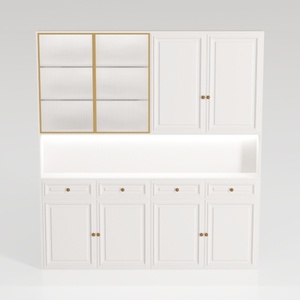
Modern White Solid Wood Fluted Glass Display Cabinet 3D Model
Homestyler offers an easy-to-use online design tool with stunning 3D renderings, inspiring interior projects, and helpful DIY video tutorials. It’s perfect for bringing your home design ideas to life, whether you're a beginner or an experienced designer.
Diseño ahora GRATIS
































