

Laundry Room Countertop Support Essentials
Laundry room countertops require sturdy support similar to kitchen countertops, with reinforcements such as brackets, cabinet frameworks, or cleats positioned every 24 to 36 inches, depending on the countertop material’s weight. Additionally, due to washer vibrations, floating countertops often demand more robust supports than standard shelving.
In contemporary residential construction, the most reliable method combines wall-mounted brackets or cabinetry bases with carefully planned spacing and load distribution to avoid sagging or damage over time.
Key Highlights
Overview
Over the past ten years, laundry room countertops have transitioned from mere functionality to an essential feature in modern homes. In Southern California, I observed how laundry spaces evolved from being minimal with just a washer, dryer, and occasional shelf to now incorporating designated folding areas, integrated storage, and seamless design aligned with the rest of the house.
However, one structural aspect often overlooked is the proper support system beneath these countertops. While many designers focus on finishes and materials, the true challenge lies in ensuring the countertop is securely supported.
Washers produce vibrations; dryers emit heat; stone countertops add significant weight. These factors combined require thorough structural planning rather than just aesthetic bracket installations.
Before finalizing the design, I advise homeowners to explore practical examples of laundry layouts, which can be visualized through modern software tools like Homestyler. This helps in understanding how appliances, cabinetry, and countertops interact, preventing costly mistakes.
This article explores how contractors approach laundry countertop support, including optimal bracket spacing, cabinet integration techniques, and emerging design trends reshaping countertop installations.
Why Laundry Room Countertops Are Now Commonplace
Laundry countertops have evolved into functional workspaces rather than mere decorative additions, reflecting the changing needs in home design.
The transformation treats laundry rooms as miniature utility kitchens, where homeowners expect surfaces for folding clothing, sorting laundry, storing detergents, and sometimes accommodating auxiliary sinks.
Builders have responded by making countertop installations a standard element in many modern mid- and high-end homes.
Typical Functions and Demands of Laundry Countertops
The National Association of Home Builders identifies laundry rooms as highly desired utility upgrades, with flat work surfaces significantly enhancing usability over stacked machines or limited shelving.
This functionality introduces structural needs that must be addressed carefully during installation.
Common Structural Support Methods for Laundry Countertops
Contractors rely mainly on three support strategies: cabinetry bases, wall-mounted brackets, or cleat systems, chosen based on layout and material weight considerations.
From a practical perspective, the simplest support comes from base cabinets beneath the countertop. Nevertheless, floating counters over side-by-side laundry units are popular for aesthetic reasons, though they require more engineering.
Often, contractors combine multiple support methods for enhanced stability, such as integrating wall brackets with cabinet supports to reduce bending across wide spans over appliances.
Recommended Bracket Spacing and Load Considerations
Most laundry countertops necessitate support every 24 to 36 inches, with stone or heavy materials demanding closer spacing for added strength.
A frequent pitfall is treating countertops like shelves, which do not bear loads in the same way, especially when spanning over machines that produce motion and heat.
Additionally, installers factor in appliance clearance, as washers can slightly move during cycles. Leaving sufficient gaps prevents damage to both appliances and countertops.
Today's designers often use digital planning tools, such as Homestyler, to simulate appliance spacing and countertop overhangs, identifying unsupported areas in advance to avoid structural problems after installation.
Integration with Cabinets and Storage Solutions
The most durable laundry countertops are integrated into cabinetry frameworks rather than supported solely by wall brackets, distributing weight effectively across several points.
This integration also addresses design challenges. While floating counters provide a sleek visual, they often lack storage, which cabinetry can supply along with stronger support.
Professional Installation Versus DIY Approaches
The primary difference between professionals and DIY installers lies in structural planning rather than the visible aspects of installation.
DIY projects may focus on countertop placement without considering wall support capacity, whereas professionals start by assessing load-bearing capability and vibration factors.
Contractors also anticipate long-term issues such as vibration from washers and countertop expansion or contraction due to temperature changes.
Homeowners undertaking major renovations often use layout visualization tools like Homestyler to examine different design scenarios and structural needs before commencing installation.
Summary of Best Practices
The safest laundry countertop installations mix cabinet supports or wall cleats with brackets spaced every 24 to 36 inches. Floating counters and stone materials require added reinforcement to accommodate both weight and appliance movement.
Trends in Floating Countertop Designs
Floating laundry countertops have gained popularity driven by the use of concealed steel support systems that provide clean aesthetics without visible brackets.
Minimalist laundry designs encourage the elimination of exposed hardware to achieve a sleek look.
Due to increased structural demands, builders employ powder-coated steel brackets capable of supporting heavy stone slabs, often anchored directly to wall studs prior to drywall installation.
In essence, the simpler the visible design, the more complex the engineering hidden behind the scenes to ensure safety and durability.
Frequently Asked Questions (FAQ)
How often should laundry countertops be supported? Typically every 24 to 36 inches, with closer intervals for heavy stone materials.
Can countertops rest directly on washers and dryers? No; clearance and proper support via brackets or cabinetry are necessary to prevent damage.
What are common industry standards for laundry countertop support? Brackets or cleats spaced regularly with reinforcements spanning appliances are standard.
Do floating laundry countertops require brackets? Yes; hidden steel brackets anchored into studs are essential for structural integrity.
Is a plywood substrate necessary under stone laundry countertops? Many installers include plywood layers beneath quartz or granite surfaces to distribute loads and minimize cracking risk.
What is the common thickness for laundry countertops? Stone slabs often measure around 1.25 inches thick, while wood or laminate varieties can be about 1.5 inches.
How do professional installation methods differ from DIY? Professionals emphasize load distribution and vibration resistance through meticulous planning and suitable materials.
Which materials are best suited for laundry room countertops? Durable, moisture-resistant options like quartz, laminate, butcher block, and solid surfaces are popular choices.
References and Further Reading
National Association of Home Builders – Home Design Trends Reports
International Residential Code (IRC) – Construction Guidelines
NKBA Kitchen and Utility Room Design Standards
Originally incubated at Autodesk, Homestyler has grown into one of the most widely adopted home design platforms in the world, now trusted by over 18 million users. Whether you're a homeowner exploring ideas or a professional designer delivering client-ready renders, Homestyler brings industry-leading 3D technology to your fingertips — no experience required.
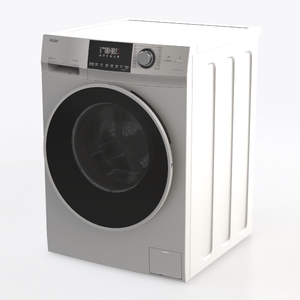
ROVSUN 25LBS Full Automatic Washing Machine and

Modern Pink White Top Loading Washing Machine 3D Model

Minimalist White Front Loading Washing Machine 3D Model
Homestyler offers an easy-to-use online design tool with stunning 3D renderings, inspiring interior projects, and helpful DIY video tutorials—perfect for bringing your home design ideas to life effortlessly.
Diseño ahora GRATIS
































