
| Room or need | Furniture to consider | Check before buying |
|---|---|---|
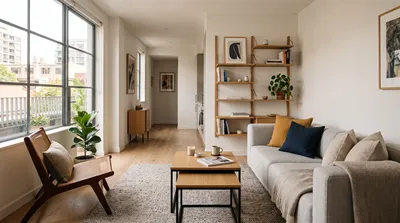
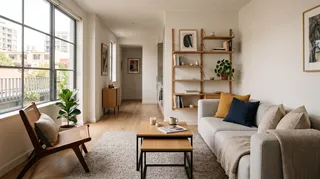
| Living room | Loveseat, modular sofa, nesting tables | Sofa depth, door access, clear route through the room |
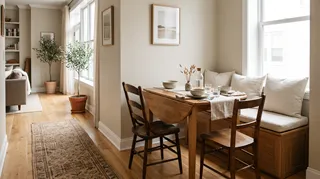
| Dining area | Drop-leaf table, extendable table, stackable chairs | Open dimensions and chair pull-back space |
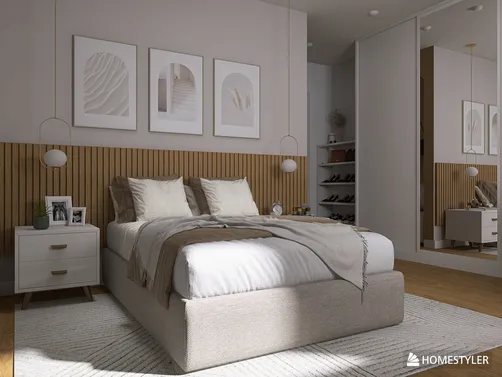
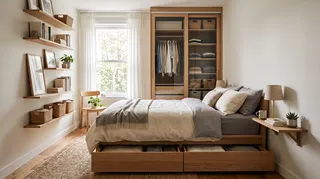
| Bedroom | Storage bed, narrow bedside shelf, tall dresser | Drawer access, bed height, wardrobe door clearance |
| Work corner | Folding desk, compact desk, wall shelf | Daily comfort, wall support, cable access |
| Entryway | Slim shoe cabinet, storage bench, wall hooks | Hallway width and door swing |
The best furniture for small spaces is not simply the smallest furniture available. It is furniture that fits the room, supports how you live, and leaves enough clear floor area to move comfortably. A compact sofa can be a better choice than a bulky sectional; a table that folds away may be more useful than a permanently tiny one. Start with the room’s dimensions and daily routines, then choose pieces that earn their footprint.

Start with the room, not the furniture
Before shopping, measure the usable area—not just the wall-to-wall dimensions. Note door swings, window locations, radiators, outlets, and the route from the entrance to each room. Measure the narrowest doorway and hallway too; a sofa that fits the living room may still be impossible to bring inside.
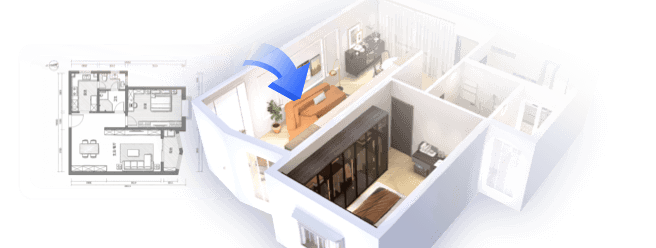
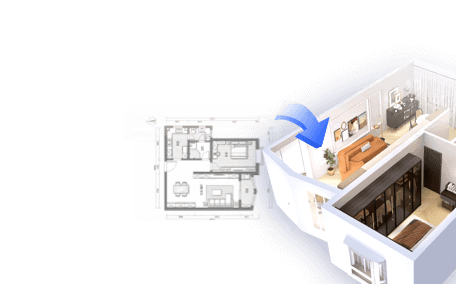
Sketch a simple floor plan and mark the furniture you already own. Then test the footprint of a potential purchase with painter’s tape or cardboard. This quick check reveals whether drawers can open, chairs can pull out, and people can pass without turning sideways. In my experience, this step prevents more regret than choosing a particular color or leg style.
There is no single clearance number that works for every home. A main route should feel easy to use, while secondary gaps can be tighter if they are not used constantly. If a layout feels awkward on paper, it will not become comfortable just because the furniture is attractive. For a visual check, you can map a room layout in Homestyler before ordering.
The best furniture for small spaces, by function
The best furniture for small spaces should match the way you use each room, not just its dimensions. These small-space furniture choices combine practical function with a manageable footprint.
Seating that does more than one job
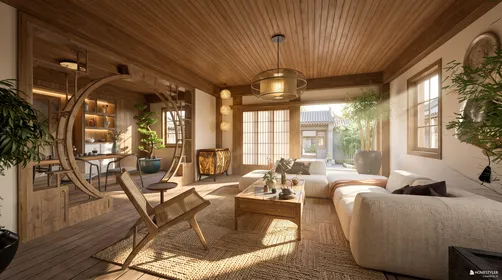
A compact sofa, apartment-size loveseat, or pair of lounge chairs can keep a living area open. Choose based on the room’s shape and the number of people who use it—not on a label such as “small-space.” Check the overall width, depth, arm thickness, and seat height. Deep seats can be comfortable, but they take up more floor area and may make a narrow room harder to cross.
A sofa bed makes sense when overnight guests are common and there is no separate guest room. Test the opening mechanism and mattress comfort if possible; a sofa bed is not automatically a good everyday bed. Storage ottomans can work as footrests, occasional seats, or a place for blankets, but avoid treating them as a substitute for a proper storage plan.
Tables that adapt to the day
A drop-leaf or extendable dining table can stay compact for everyday meals and open for guests. Confirm the expanded dimensions and the space needed to pull chairs back. Nesting tables provide extra surfaces when needed and tuck together afterward. A lift-top coffee table can double as a laptop or dining surface, though its height and stability should suit the task.
For a studio or multipurpose room, a wall-mounted folding desk may free floor area when work is finished. Check the wall type, mounting requirements, and whether the open desk blocks a walkway. If you work from home daily, a stable desk and supportive chair usually matter more than a mechanism that disappears.
Beds and storage that use overlooked space
A bed with drawers or a lift-up base can store linens and seasonal items. Measure the full bed footprint, including the headboard and any clearance needed to open drawers. Under-bed storage is less useful if the bed sits too low for containers or if a wall blocks access on one side.
Tall shelving uses vertical space, but it must be secured according to the manufacturer’s instructions, especially in homes with children or pets. Closed cabinets hide visual clutter; open shelves make frequently used items easy to reach but need regular editing. A slim entry bench with storage can combine a place to sit with shoe storage, provided it does not narrow the entrance.

Match the piece to the room
A modular sofa can be useful when a room’s layout changes or when you expect to move. But modular does not always mean compact: compare the assembled footprint with the separate modules, and check whether the pieces stay connected during normal use. I recommend buying only the configuration that fits your current room rather than paying for extra sections you have nowhere to place.
Small-space furniture: choose visual lightness without sacrificing comfort
Furniture with exposed legs can reveal more floor and make a room feel less crowded, but it does not create additional usable area. Likewise, pale colors and glass surfaces may reduce visual weight, yet they cannot fix a blocked route or an oversized footprint. Prioritize proportion and circulation first; use finish and color as supporting choices.
A few practical rules help keep a small room from feeling overfilled:
- Prefer one appropriately sized anchor piece over several undersized items that do not serve the room well.
- Use wall-mounted shelves or cabinets where floor space is more valuable, and secure them properly.
- Keep frequently used objects within easy reach; reserve high shelves for occasional items.
- Choose furniture with a clear purpose, and avoid adding storage pieces that duplicate what you already have.
- Leave some open surface and floor area so the room can adapt to everyday use.
- Check whether a piece can be moved, assembled, or disassembled in your building before delivery.
My advice is to treat “multifunctional” as a useful feature, not a requirement for every purchase. A comfortable chair that fits well can be a better choice than a complicated convertible item you rarely transform.
A simple buying checklist
Before placing an order, compare the product’s full dimensions with your measured plan. Product photos can hide depth, and “apartment size” is not a standardized measurement. Look for the manufacturer’s dimensions, assembly instructions, weight limits, return terms, and delivery details.
Use this checklist for each candidate:
- Measure the footprint. Include handles, arms, open leaves, and any moving parts.
- Check the route in. Compare the packaged or assembled dimensions with doors, stairs, elevators, and turns.
- Test the layout. Mark the footprint on the floor and walk the route you use every day.
- Confirm the function. Decide how often you will use the extra bed, storage, extension, or folding feature.
- Plan the rest of the room. Make sure the new item does not force another essential piece into an unusable position.
If dimensions are hard to picture, build a basic room plan and place scaled furniture blocks in it. A 3D layout can help you compare alternatives, but it cannot replace checking real measurements, wall conditions, or product specifications. You can test furniture arrangements in Homestyler and then verify the chosen dimensions against the retailer’s listing.

Common questions
What furniture saves the most space?
Pieces that replace a separate item or use otherwise unused space can help: a storage bed, a drop-leaf table, a wall-mounted desk, or a sofa bed for occasional guests. The best choice depends on your routine and the room’s dimensions. A feature only saves space if you can use it comfortably.
Is a sectional sofa a bad choice for a small room?
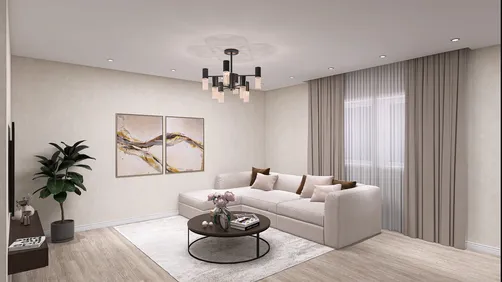
Not always. A compact sectional may fit a corner efficiently, but its shape can restrict movement or leave little room for other seating. Compare its full dimensions with a loveseat or modular arrangement, and tape the footprint on the floor before buying.
Should every piece have built-in storage?
No. Too many storage pieces can make a room feel crowded and add drawers you do not need. Focus storage on items that otherwise create clutter—such as bedding, shoes, or media accessories—and keep the rest of the layout simple.
How can I tell whether furniture will fit through the door?
Measure the narrowest point along the delivery route, including door openings, hallways, stairs, and elevator interiors. Check whether the item can be assembled inside the room or whether its legs and other parts can be removed. Ask the retailer about packaged dimensions when they differ from the assembled size.
What is the safest way to plan a small-room layout?
Measure the room and furniture, mark the footprints, and test the main walking routes before ordering. For tall storage, follow the maker’s anchoring instructions. A digital plan can help compare arrangements, but confirm all dimensions and installation requirements in person.
Make every purchase earn its footprint
Originally incubated at Autodesk, Homestyler has grown into one of the most widely adopted home design platforms in the world, now trusted by over 20+ million registered users (platform data, 2026). Whether you're a homeowner exploring ideas or a professional designer delivering client-ready renders, Homestyler brings industry-leading 3D technology to your fingertips — no experience required.
The best furniture for small spaces is the furniture that fits your actual home and makes daily tasks easier. Measure first, prioritize the functions you use, and leave enough room to move. A few well-chosen pieces—rather than a room full of space-saving gadgets—usually create a more comfortable and flexible home.
Diseño ahora GRATIS