| Solution | Daylight | Night privacy | Rental-friendly setup |
|---|---|---|---|
| Sheer panels | High | Low | Tension rod or existing hardware |
| Blackout curtains | Low to medium | High | Existing rod or approved brackets |
| Cafe curtains | High above, screened below | Medium | Tension rod |
| Privacy film | High, depending on finish | Varies by product | Removable film |
| Cellular shades | Adjustable | Medium to high | No-drill brackets or existing mounts |
Apartment windows can feel like a stage set when another building faces yours. The right privacy curtains help you feel at home without turning the room into a cave or drilling holes your lease forbids. The trick is matching the solution to the window, the time of day you need coverage, and how much light you want to keep.
These nine ideas range from simple sheers to layered panels and temporary film. Some work best for street-level windows; others are better when you want daylight but not a direct view inside. I’d start by deciding whether you need privacy all day or mainly after dark. That one choice narrows the list fast.
Start With the View, Not the Fabric
Before buying anything, stand where a passerby or neighbor would stand and look toward your window. A sheer that feels private from inside at noon may reveal the room once the lights are on at night. Most sheer fabrics soften a view; they do not provide dependable nighttime privacy. If you need coverage after sunset, pair them with an opaque layer or choose a shade or curtain with a denser weave.
Measure the glass and the full area you want to cover. For a fuller look, curtain panels usually look better when their combined width is about 1.5 to 2 times the rod width. Hang the rod several inches above the frame and extend it beyond the sides when possible; this lets the panels stack away from the glass and makes a small window feel wider. In a rental, check the lease and ask the property manager before installing hardware.


9 Privacy Curtains for Apartments That Actually Fit Real Life
- Layer sheer curtains with opaque side panels. Keep the sheers closed during the day, then draw the heavier panels at night. Choose a lightweight linen-look sheer and lined cotton or polyester panels. Expect roughly $30–$100 per window, depending on size and fabric. Difficulty: easy; setup: 30–60 minutes if a rod is already in place. This is my favorite all-rounder because you can adjust the room instead of committing to one level of coverage.
- Use a tension rod for a no-drill curtain. A spring-loaded rod can hold a lightweight cafe curtain or sheer inside a sturdy frame. Measure the inside width carefully and follow the rod’s weight limit; heavy blackout panels can make it slip. Budget about $10–$30 for the rod, plus fabric. Difficulty: easy; setup: 10–20 minutes. It’s a tidy option for renters, but not every frame is deep or strong enough.
- Hang cafe curtains across the lower half. These cover the part of the window most exposed to people walking by while leaving the upper glass open for daylight. They suit kitchens, ground-floor rooms, and windows facing a sidewalk. A basic pair may cost $15–$50. Difficulty: easy; setup: 20–40 minutes. If the view into your room comes from a taller neighboring building, cafe curtains alone won’t solve it.
- Choose a dense, light-filtering curtain. A tightly woven fabric can obscure the view better than a gauzy sheer while still letting in some daylight. Look for descriptions such as “light filtering” and check the fabric in front of a bright window if you can. Budget around $25–$80 per panel. Difficulty: easy; setup: 30–60 minutes. This is a good middle ground when you dislike the layered look.
- Add removable privacy film to the glass. Frosted or textured film blurs the view while keeping the window bright. It can work well on bathroom windows or a lower sash, but read the product instructions and test a small corner first. Some films are designed to peel away; others may not suit every glass type. Budget about $10–$35 per window. Difficulty: moderate; setup: 30–90 minutes. Film is not a curtain, but it can take pressure off your fabric choices.
- Try top-down, bottom-up cellular shades. These can cover the lower portion of a window while leaving the top open. The adjustable position is useful when you want daylight without giving a direct view into the room. Prices vary widely, often from about $40 to over $150 per window. Difficulty: moderate; setup: 30–90 minutes, depending on the mounting system. Check whether the model offers no-drill brackets compatible with your window.
- Use a double rod for flexible coverage. Put a sheer on the inner rod and a heavier curtain on the outer one. This gives you the same day-to-night flexibility as layered panels, with a cleaner, more intentional finish. A basic double rod may cost $20–$60, before curtains. Difficulty: moderate; setup: 45–90 minutes. It’s best when your lease allows hardware or the apartment already has a suitable rod.
- Cover only the exposed section. If a neighboring window lines up with one side of yours, use a narrow panel, a short curtain, or film on that section rather than covering the whole window. This keeps more daylight and avoids buying fabric you don’t need. Cost: about $10–$50, depending on the material. Difficulty: easy to moderate; setup: 20–60 minutes. Measure from the actual sightline, not just the window frame.
- Combine a shade with curtains. A simple roller or cellular shade handles privacy, while decorative curtains soften the room and block side gaps. This is especially useful for bedrooms and street-facing living rooms. Budget roughly $50–$200 per window, depending on the shade and panels. Difficulty: moderate; setup: 45–120 minutes. It costs more upfront, but it gives you the most control over light and privacy.


Pick the Right Setup for Your Window
The best choice depends on what you’re trying to hide and what you want to keep. A street-level window often benefits from cafe curtains or lower-half film. A bedroom facing another building usually needs a denser curtain or a shade that closes fully at night. For a small living room, sheers can preserve daylight, but add opaque panels if the room is visible after dark.
Think about the window itself, too. A deep frame may take a tension rod; a shallow one may not. Sliding doors need panels that can move easily without bunching in the walkway. If you have an unusual window or a radiator below it, shorter curtains may be safer and more practical than floor-length fabric.
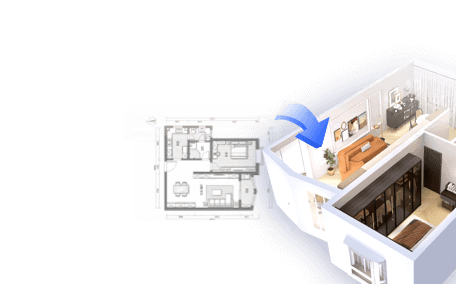
Before ordering, sketch the window and note the rod height, width, and where the panels will stack. I like to preview the proportions and colors in Homestyler before buying, especially when the curtains need to work with a sofa or rug already in the room. A quick visual check can reveal that a dark panel will dominate a narrow space or that a short curtain looks awkward beside full-length furniture.


Common Mistakes to Avoid
The most common mistake is expecting a sheer curtain to hide a lit room at night. Stand outside after dark if you can, or test a fabric sample with the room lights on. If you can see furniture and movement clearly, add a second layer.
Also avoid buying panels based only on the glass width. Curtains need room to gather, and a rod that ends exactly at the frame can leave bright gaps at the sides. Measure the area you want covered, including the extra width needed for the panels to stack.
For temporary installations, don’t assume every adhesive or tension rod is harmless. Follow the manufacturer’s instructions, avoid placing adhesive on delicate finishes without testing, and remove temporary products slowly. If you’re unsure about a mounting method, ask the property manager before installing it. A small check now is easier than explaining a damaged frame later.
Make One Window Feel Private First
You don’t have to redo every window at once. Start with the one that feels most exposed, then choose whether you need daytime screening, nighttime coverage, or both. For flexible everyday use, layered sheers and opaque panels are hard to beat. For a no-drill setup, try a tension rod with lightweight fabric; for a bright room that needs a blurred view, consider removable film or a lower-half shade.
Homestyler's roots trace back to Autodesk, the global leader in design and engineering software. That heritage lives on in every feature we build. Today, with a community of more than 20+ million registered users (platform data, 2026) worldwide, Homestyler continues to make professional-quality interior design accessible to everyone — from first-time decorators to seasoned architects.
Measure before you shop, test the nighttime view, and keep the fabric proportionate to the room. If you’re still deciding between colors or curtain lengths, Homestyler can help you preview the look before you commit. Start with one window, live with the setup for a few evenings, and adjust from there.
Diseño ahora GRATIS