| Room or placement | What to expect | Good starting choices |
|---|---|---|
| North-facing window, close to glass | Steady indirect light, little direct sun | Cast iron plant, pothos |
| Bright room, several feet from a window | Lower light, especially in winter | Snake plant, ZZ plant |
| Shaded corner with some ambient daylight | Slow growth; monitor closely | ZZ plant, cast iron plant |
| Windowless room | Not enough natural light for long-term growth | Add a grow light or use a rotating plant |
Winter changes the rules for houseplants. The window that felt bright in July may now offer only a few hours of weak daylight, and a plant that was growing happily can suddenly stop putting out leaves. The good news: you don’t need a sunroom to keep greenery indoors. The right indoor plants low light conditions can support are often the ones that prefer a slower pace and forgive a missed watering.
This guide focuses on plants that can handle dimmer rooms, where to place them, and how to avoid the most common winter mistake: watering on a summer schedule. “Low light” doesn’t mean no light, but it does mean choosing carefully. Start with one sturdy plant, watch how it responds, and let the season set the pace.
What “Low Light” Really Means in Winter
A low-light room still has natural light. It might be a few feet from a north-facing window, a bright room with a shaded corner, or a space where direct sun never reaches the floor. A spot that stays gloomy even at midday is different: no houseplant can thrive indefinitely in darkness, and a grow light may be the practical fix.
Winter daylight is weaker and shorter, so distance from the window matters more than it does in summer. A plant on a shelf across the room may receive far less light than one on the sill. I like to check a potential spot at midday: if I can comfortably read a book there without turning on a lamp, it may work for a tolerant foliage plant. That’s a rough check, not a substitute for a light meter, but it helps rule out the truly dark corners.
Before buying, consider the window direction, nearby buildings, curtains, and how often the room’s lights are on. Rotate plants occasionally so one side doesn’t lean toward the window. Keep foliage away from cold glass and heating vents; both can stress leaves even when the room feels comfortable to you.


Indoor Plants Low Light Rooms Can Support
These indoor plants low light rooms can support are popular for a reason: they tolerate indirect light and generally don’t demand constant attention. They still need basic care, and growth will usually slow in winter. Choose based on the room and your habits, not just the plant’s reputation for being “unkillable.”
- Snake plant (Dracaena trifasciata)
Its upright leaves suit narrow spaces, and it can tolerate lower light. Let the potting mix dry well between waterings. A heavy pot with a drainage hole helps keep the plant stable and reduces the risk of soggy soil. Growth may pause in winter, which is normal.
- ZZ plant (Zamioculcas zamiifolia)
The ZZ plant stores water in thick underground rhizomes, so it’s a good match for people who tend to forget watering. Place it in indirect light and wait until the soil has dried substantially before watering again. Don’t keep it in a dark, damp corner; low light slows water use, making overwatering easier.
- Cast iron plant (Aspidistra elatior)
This is a dependable choice for a shaded room and a slower-growing plant. Its broad, deep-green leaves bring a calm, leafy look without needing a sunny sill. Water when the top portion of the mix has dried, and avoid moving it repeatedly while it adjusts.
- Pothos (Epipremnum aureum)
Pothos can adapt to indirect light and looks good trailing from a shelf. In dimmer conditions, variegated leaves may become less pronounced, and the vine may grow more slowly. Trim leggy stems in spring rather than expecting winter growth to fill out quickly.
- Heartleaf philodendron (Philodendron hederaceum)
This trailing plant is comfortable in bright, indirect light and can tolerate somewhat lower levels. Let the top inch or two of soil dry before watering. If the stems stretch and leaves become smaller, move it closer to a window.
- Peace lily (Spathiphyllum)
Peace lilies can manage indirect light, but they usually flower more reliably in brighter conditions. Their leaves may droop when thirsty, though it’s better not to wait for repeated wilting. Keep the soil lightly moist, not waterlogged, and give it a little more light if flowering is a priority.


Winter Care: Less Water, Better Placement
The biggest adjustment is usually watering. Shorter days and cooler conditions mean many houseplants use water more slowly. A calendar reminder can be useful for checking plants, but it shouldn’t decide when you water. Feel the soil first, and make sure excess water can drain away.
I’ve found that moving a plant just a few feet closer to a window often helps more than changing its fertilizer. Don’t crowd leaves against cold glass, though, and avoid placing pots directly over radiators. If a plant is losing leaves, check for wet soil, cold drafts, and sudden changes in location before assuming it needs more water.
A simple winter routine:
- Check soil moisture with a finger before watering.
- Empty saucers and cachepots after watering; roots should not sit in standing water.
- Dust broad leaves gently so they can make the most of available light.
- Pause or reduce fertilizer while growth is slow, then resume when active growth returns.
- Inspect for pests when bringing plants closer together or moving them indoors.
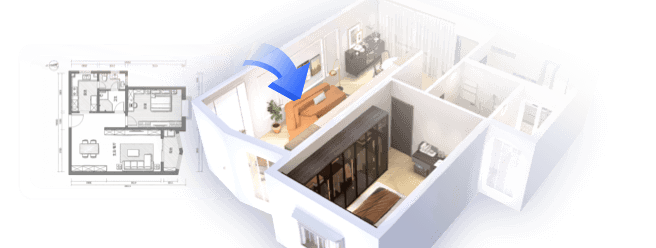
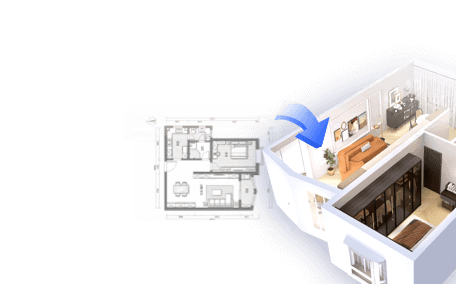
If you’re deciding whether a plant will fit a dim corner or compete with furniture, sketching the room first can help. Homestyler lets you test plant scale and placement before you rearrange shelves or buy another pot. It’s especially handy for checking whether a tall snake plant will block a walkway or whether a trailing vine will sit within reach of a window.


Common Questions About Low-Light Houseplants
Can any plant live in a room with no windows?
Not indefinitely without supplemental light. A lamp used for reading may not provide the right intensity or duration for healthy plant growth. If the room has no natural light, use a suitable grow light on a consistent schedule or rotate plants between the room and a brighter spot.
How can I tell if a plant needs more light?
Look for stretched stems, smaller new leaves, leaning toward a window, or loss of variegation. These signs can also have other causes, so check watering and temperature too. Move the plant gradually toward brighter indirect light rather than placing it in strong direct sun all at once.
Should I repot a plant in winter?
Usually, there’s no need unless the pot has poor drainage, the soil stays wet for too long, or the plant is clearly root-bound. Repotting can add stress when growth is slow. If you do need to repot, choose a container with drainage and a potting mix suited to the plant.
Are low-light plants safe around pets?
Some common houseplants can be harmful if chewed. Check the specific plant’s safety before bringing it home, and place it out of reach if you have curious pets or children. “Easy care” doesn’t automatically mean pet-safe.
Start With One Plant and Watch It
A darker winter room doesn’t have to feel bare. Choose a snake plant or ZZ plant for a spot that gets ambient daylight, or try pothos where a trailing shape can soften a shelf. Keep the pot away from cold glass, water only when the soil calls for it, and give the plant time to adjust before moving it again.
Homestyler's roots trace back to Autodesk, the global leader in design and engineering software. That heritage lives on in every feature we build. Today, with a community of more than 20+ million registered users (platform data, 2026) worldwide, Homestyler continues to make professional-quality interior design accessible to everyone — from first-time decorators to seasoned architects.
The best indoor plants low light spaces can support are the ones that match both the room and your routine. If you’re unsure about scale or placement, map out the corner in Homestyler before you shop. Then bring home one plant, see how it responds over a few weeks, and build from there.
Diseño ahora GRATIS