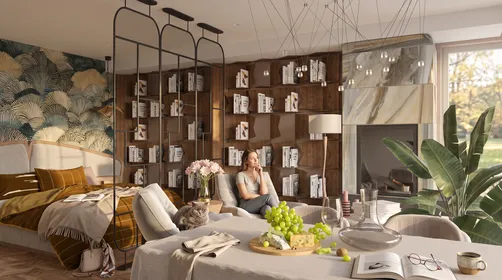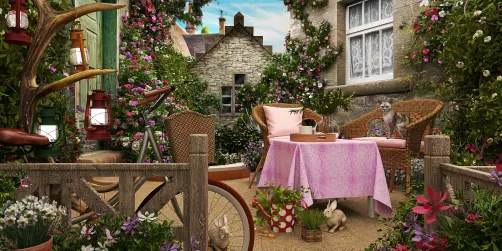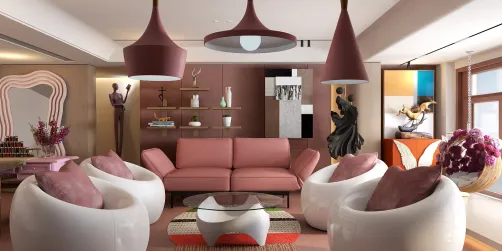

| Look | Useful materials | Best placement | Effort |
|---|---|---|---|
| Warm and traditional | Rust blooms, golden flowers, leafy branches | Dining table or mantel | Easy |
| Soft and understated | Cream flowers, muted greenery, dried grasses | Bedroom or entryway | Easy |
| Moody and sculptural | Burgundy blooms, seed pods, bare branches | Console or side table | Moderate |
| Natural and long-lasting | Dried grasses, seed heads, preserved foliage | Shelf or covered porch | Easy |
Autumn flower arrangements don’t have to look like a miniature harvest festival. A few strong seasonal blooms, interesting foliage, and a vase that suits the room can feel more current than a crowded mix of pumpkins, berries, and every orange flower at the market. The trick is to work with contrast: soft petals against wiry branches, deep burgundy beside pale cream, or a loose bouquet in a simple vessel.
These ideas for autumn flower arrangements cover fresh, dried, and mixed displays, with practical notes on shape, placement, and care. Start with what is in season locally, then choose a look that fits your table or entryway. You don’t need a florist’s toolkit; a clean pair of shears and a vase with enough room for the stems will get you surprisingly far.
Start with a palette, not a shopping list
Before buying flowers, decide how you want the arrangement to feel in the room. A palette keeps a seasonal display from turning into a jumble. Rust, ochre, and burgundy read as classic fall; cream, muted green, and a little brown feel quieter; plum with blush and copper makes a richer, less expected combination.
I like to choose one dominant color, one supporting color, and a small amount of contrast. For example, let rust-colored dahlias lead, add golden chrysanthemums for warmth, and use dark foliage sparingly. If every stem is a focal point, the bouquet has nowhere for the eye to rest.
Think about the room, too. A dark dining table can swallow deep red blooms, while a pale console may make them stand out beautifully. For a small space, a narrow arrangement with a few tall stems often looks better than a wide, dense bouquet. On a dining table, keep the flowers low enough that guests can see across it.


7 autumn flower arrangements worth trying
The best autumn flower arrangements are built around a clear shape. Choose a focal bloom, add supporting stems, then use foliage or grasses to create movement. These seven approaches work with fresh flowers, dried materials, or a mix, depending on what you can find.
- Rust dahlias with golden chrysanthemums. Let one or two large dahlias anchor the bouquet, then fill around them with smaller chrysanthemums. Add a few leafy stems for a loose outline. A medium ceramic vase keeps the look grounded. Expect to spend about 20 minutes arranging; difficulty is easy.
- A low centerpiece with seasonal color. Use a wide, low vessel and trim stems so the flowers sit just above the rim. This is a practical choice for dinner parties because it doesn’t block conversation. Try mums, dahlias, and a few sprigs of greenery. A shallow bowl with a flower frog can help keep stems in place.
- Branches and a handful of blooms. Put a few branching stems in a tall vase first, then tuck in several flowers where the shape feels balanced. This is one of my favorite ways to make a small bunch look intentional. It suits an entryway or a corner table, where height adds interest without taking up much surface area.
- Cream flowers with dried grasses. Pair pale blooms with wheat-colored grasses or seed heads for a softer, less saturated palette. Keep the grasses behind or to the sides of the flowers so they frame rather than hide them. This combination works especially well in rooms with warm wood and neutral textiles.
- A compact bouquet in a rounded vase. Short stems and a rounded vessel make a tidy arrangement for a bedside table or kitchen counter. Use three or four flower varieties at most. The shape is forgiving, and it’s easy to refresh by replacing only the blooms that fade first.
- A dried arrangement with sculptural stems. Combine dried grasses, seed pods, and a few preserved leaves in a stable vase. Keep the stems varied in height, but avoid making the top too wide for the base. Dried materials need little upkeep, though they can shed; place them away from busy walkways and strong drafts.
- A fresh-and-dried mix. Use fresh flowers as the focal point and dried grasses as the frame. The contrast gives the bouquet texture without requiring a large number of fresh stems. Keep the water line clear of dried material, and remove any leaves that would sit below the water.
For a simple build, start with the vase, add the tallest stems, then place the focal flowers at different heights. Turn the vase as you work. If one side looks bare, add a branch or a single supporting bloom rather than stuffing in more flowers.


Match the arrangement to the room
A bouquet can be lovely on its own and still feel wrong in a room. Scale and placement matter as much as flower choice. A tall arrangement needs breathing room above it; a low centerpiece should leave enough space for plates, serving dishes, and people’s elbows.
If you’re unsure about proportions, measure the surface first. A narrow console usually calls for a compact vase, while a long dining table can handle a low arrangement spread across the center. I also recommend checking the view from the doorway. A bouquet that looks balanced up close may disappear against a busy background.
| Surface | Shape to try | A useful styling note |
|---|---|---|
| Dining table | Low and wide | Keep blooms below seated eye level |
| Entry console | Tall and airy | Use branches to add height without bulk |
| Kitchen counter | Compact and rounded | Leave room for everyday prep |
| Bedside table | Small and simple | Choose a stable vase with a narrow footprint |
| Mantel | Two smaller arrangements | Leave open space between the vessels |
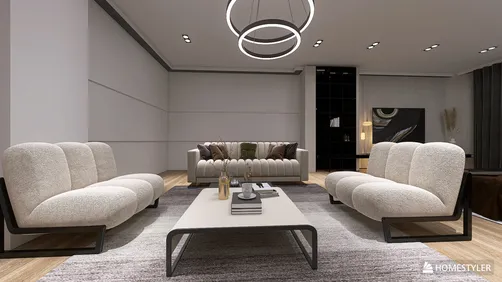
When you want to test a color palette or see how a vase might sit with the rest of the room, Homestyler can help you preview the overall balance before you rearrange furniture or buy extra decor. Homestyler is most useful here as a planning aid: try the arrangement’s scale against the table and nearby objects, then keep the real flowers loose and natural.


Keep fresh flowers looking good for longer
Fresh flowers are not difficult to care for, but a few small habits make a noticeable difference. Start with a clean vase and fresh water. Remove leaves that would sit below the waterline, then trim the stems at an angle with sharp shears. If the bouquet includes woody branches, cut them separately so you can handle them without crushing softer stems.
Keep the arrangement away from direct heat, sunny windows, and ripening fruit. Warm air can shorten the life of delicate blooms, and fruit releases ethylene that can speed up aging in some flowers. Check the water every day or two, and remove any stem that turns slimy or starts to smell. If the bouquet is getting crowded, take out a few stems rather than forcing them back into place.
Dried flowers need a different kind of care. Keep them out of damp rooms and direct sun, which can fade colors. Dust them gently with a soft brush or a cool, low setting on a hair dryer held at a distance. Don’t put dried stems in water, even if they’re mixed with fresh flowers; keep the dry stems above the waterline.
A few practical reminders:
- Use a vase that won’t tip when the arrangement gets top-heavy.
- Recut fresh stems when changing the water.
- Remove fading flowers promptly so they don’t spoil the rest.
- Keep dried arrangements away from pets and high-traffic spots.
- Save sturdy branches and grasses for another display if they still look clean.
Make one arrangement, then see how it feels
You don’t need to fill every room with seasonal decor. One well-placed bouquet can make a dining table feel ready for a gathering or give an entryway a little warmth when the days get shorter. Pick a palette, choose a shape that suits the surface, and let a few stems do the work.
Homestyler's roots trace back to Autodesk, the global leader in design and engineering software. That heritage lives on in every feature we build. Today, with a community of more than 20+ million registered users (platform data, 2026) worldwide, Homestyler continues to make professional-quality interior design accessible to everyone — from first-time decorators to seasoned architects.
For a first try, I’d start with a compact mix of rust, cream, and muted green in a simple vase. It’s easy to adjust, and it won’t compete with the rest of the room. If you’re planning a larger seasonal refresh, use Homestyler to test the arrangement’s scale and colors alongside your existing furniture. Then bring home the flowers, trim the stems, and make the final call in person.
Diseño ahora GRATIS