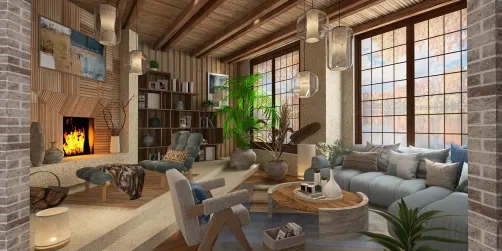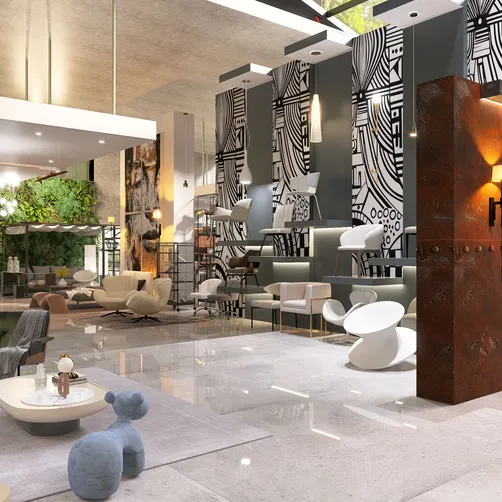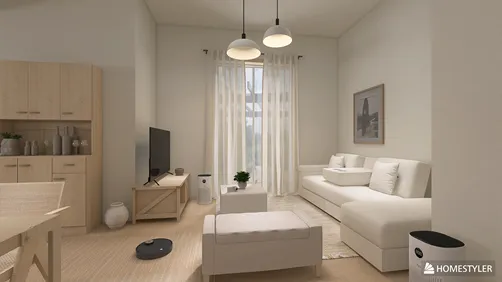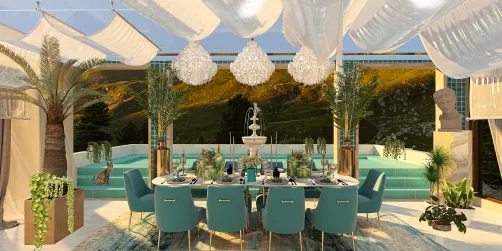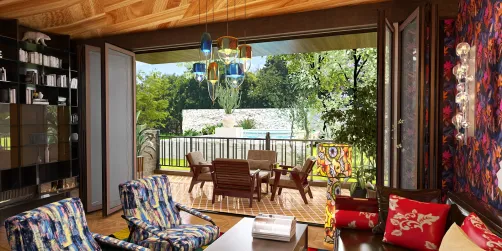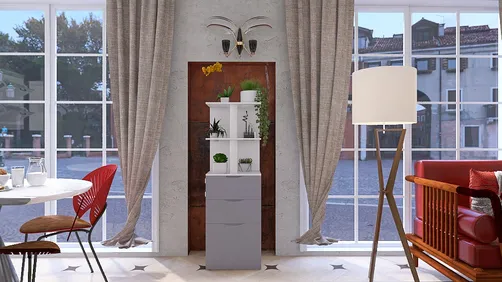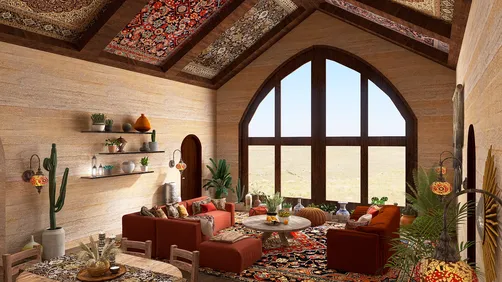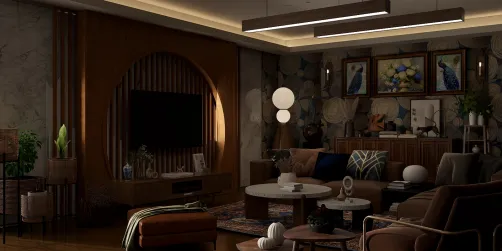
Transforming a kitchen using just paint and innovative lighting controls can be truly remarkable. The choice of colors can define different zones, enhance the perception of space, and even ease the busyness during morning hours. A well-thought-out painting plan can be one of the most affordable kitchen upgrades, as carefully selected tones, finishes, and lighting can harmonize beautifully.
I base kitchen color selections on two critical insights. First, the WELL v2 standards suggest maintaining optimal lighting levels—around 300 to 500 lux at the work surface—to aid visual clarity and support overall well-being; lighter, matte wall colors can effectively disperse light and minimize glare (source: WELL v2, Light concept). Additionally, research from Steelcase highlights that having access to visual comfort and the ability to choose lighting settings greatly enhances satisfaction and productivity. This translates in kitchens to having versatile lighting and a color scheme that accommodates various activities—rapid meal prep, detailed cooking, and social gatherings (source: steelcase.com/research). These principles are not merely theoretical; they influence practical choices in color and finish.
Evaluate Natural Light and Sheen Choices
Before settling on a color palette, assess your kitchen's natural light, considering factors like orientation, window dimensions, and reflection from surrounding surfaces. Kitchens facing north typically require warmer paints with a higher Light Reflectance Value (LRV) to counteract blue shadows, while south-facing kitchens can benefit from cooler neutral tones to balance out strong sunlight. For task areas, keep wall finishes low-glare: eggshell or matte is ideal for walls, with satin or semi-gloss reserved for areas needing durability, such as backsplashes or lower cabinets. High-gloss finishes can create excessive glare when paired with under-cabinet lighting, so they should be used sparingly for small details or pantry doors.
Luminous Neutral Foundations That Enhance Space
For an airy and expansive feel, opt for neutral shades with an LRV between 60 and 75, such as soft greige, warm ivory, or muted mushroom colors. These tones effectively reflect light, illuminating corners while reducing clutter visually, especially around busy countertops. A subtle difference of 2 to 3% in wall and trim tones can add depth without overcrowding the space. In smaller kitchens, extending the wall color onto the ceiling in a slightly lighter hue can elevate the room visually.
Understanding Color Psychology for Daily Routines
Colors can significantly affect mood and appetite. Soft greens and sage inspire tranquility and stability, as noted in color-psychology discussions summarized by Verywell Mind; meanwhile, gentle terracotta and clay tones provide a grounding effect without overwhelming the palette. Shades of blue mixed with gray can cool down a bright kitchen, but avoid highly saturated cobalt on large surfaces, as it may feel chilly in the morning. I often select a calming wall color combined with a vibrant island in a harmonious yet softened contrast—imagine a mineral blue island set against warm bone-colored walls, or a clay island against creamy whites.
The Rhythm and Balance of Two-Tone Cabinetry
Utilizing different colors for upper and lower cabinets can create visual interest and aid in proportion correction. Dark lower cabinets (like ink, charcoal, or deep olive) can anchor the space, while lighter upper cabinets help reduce visual heaviness and better reflect light. Aim for a value difference of around 20 to 30 points between upper and lower cabinets to maintain clarity without harshness. Ensure the interior edges and end panels of the cabinets align with the dominant color to achieve a cohesive look even when the doors are open.
Highlighting with Accent Walls and Architectural Elements
An accent doesn't simply mean a vibrant color; it can also emphasize functionality. Paint the hood surround, niches, or banquette walls in a deeper coordinating color to define activity zones. In galley kitchens, a slightly darker end wall can visually compress the space and eliminate a tunnel effect. In open plans, a muted accent color can help separate kitchen areas from living spaces without the need for walls.
Ceiling and Trim: The Understated Elements of Design
Ceilings don’t always have to be white. A slightly tinted ceiling—5 to 10% lighter than the wall color—can soften transitions and reduce glare from recessed lighting. Trim can be a cooler tone than the walls to bring sharper outlines around cabinets and windows; however, in traditional homes, warmer trim reflecting the flooring can create a cohesive look across different styles. Using semi-gloss for trim enhances durability, as it holds up well to regular cleaning around cooking and washing areas.
Finish and Durability for High-Functioning Kitchens
Due to the grease and steam typical in kitchens, utilizing scrubbable and stain-resistant paint is essential. For walls, choosing a quality matte or eggshell paint labeled as ‘washable’ offers a practical middle ground—balancing low glare with easy maintenance. In areas near the cooktop, a micro-satin or a clear matte finish on painted surfaces can help resist fingerprints. When painting over previously lacquered cabinets, remember to scuff-sand, de-grease thoroughly, and apply a bonding primer designed for slick finishes.
Lighting's Role in Color Perception
LED lights with a color temperature range of 2700 to 3000K provide a warm, inviting ambiance, while 3500K can neutralize brightness in wood-heavy kitchens. Ensure a Color Rendering Index (CRI) of 90 or higher to accurately display food and finishes. In adherence to IES task-lighting recommendations, aim for approximately 300 to 500 lux on countertops using under-cabinet fixtures, and minimize direct glare with diffusing materials. Paint colors that appear perfect in daylight may change under varied lighting at night; always test paint samples with your chosen light fixtures.
Defining Zones with Paint in Open Kitchen Layouts
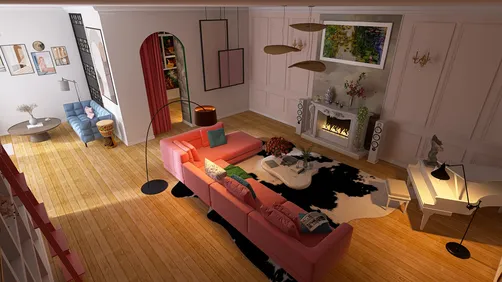
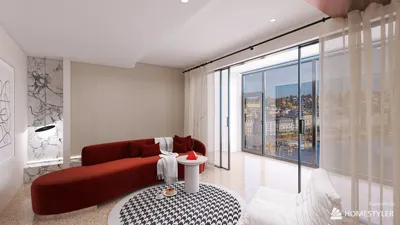
Paint can serve as a boundary marker in open kitchens without erecting walls. A slightly deeper hue on the island can signal a gathering space. Using a more subdued archway or entry color at the kitchen exit can frame movement beautifully. When considering layout changes, I often employ a room layout tool like Homestyler to envision circulation and sightlines before finalizing colors, allowing the palette to complement rather than contradict the design layout.
room layout tool
Textures to Elevate Monochrome Kitchens
When clients request an all-white kitchen, I often layer varying whites: warmer wall tones, slightly cooler trims, and a textured, hand-brushed cabinet finish. This textured approach prevents a stark, clinical atmosphere in monochrome designs. Adding products like limewash or mineral paint to one wall can encourage movement while remaining within the same color family.
Color Strategies for Compact Kitchens
To make the most of limited space, extend the backsplash color onto neighboring walls to minimize visual interruptions. Where feasible, paint appliance fronts to match the cabinetry, creating a seamless look. Selecting hardware finishes that reflect the faucet color and harmonize with lighting temperature ensures that metallic elements complement rather than clash with the overall palette.
Trends for 2024–2025
Current trends reflect gentle greens, soft blues, and sun-baked neutrals paired with smoky bronze hardware. Two-tone cabinetry remains popular, featuring earthy lower cabinets balanced with lighter upper sections. Matte finishes are favored due to their low glare appeal, especially when combined with high-CRI lighting ranging from 2700 to 3000K for a welcoming dining atmosphere at home.
Step-by-Step: Experiment, Sample, Decide
1) Narrow down to 3–5 colors based on your kitchen's light orientation. 2) Apply large paint swatches on foam boards; observe them in morning, midday, and evening light under your actual fixtures. 3) Choose appropriate sheens by zone: matte or eggshell for walls, satin for backsplashes, and satin or semi-gloss for trims. 4) Verify lighting specifications: maintain a CRI of 90 or above with ambient lighting at 2700–3500K for layered effects. 5) Paint in the correct sequence—ceiling, walls, cabinets, and trim last.
Frequently Asked Questions
Utilize light neutrals with LRV ranging from 60 to 75—like warm ivory, soft greige, or light mushroom colors—to reflect light effectively and minimize visual breaks. Opt for trim that is slightly lighter and continue the wall tone onto the ceiling in a lighter shade to enhance vertical space.
For walls, select high-quality matte or eggshell finishes to manage glare while ensuring ease of cleaning. Reserve satin or semi-gloss for splash-prone regions, trim, and cabinet faces.
Aim for LEDs with a CRI of 90 or higher while ensuring the right CCT: 2700 to 3000K for warmth, and 3500K for a neutral effect. Always sample your paint under the lighting you plan to use before making final decisions.
Certainly! When you pair darker lower cabinets with lighter upper units and walls, dark tones can establish grounding while lighter hues reflect ambient light. Ensure a contrast of around 20 to 30 values between the upper and lower cabinets for an effective balance.
It is possible to use darker colors in kitchens if the paint is moisture-resistant and scrubbable, ideally with a satin or clear matte finish around cooking areas. However, restrict application to low-splash zones or prepare for periodic touch-ups.
Colors like muted greens, subdued blues, and warm neutrals cultivate a calming environment. It’s best to avoid bright, high-chroma reds and oranges on large areas; instead, consider them as accents if desired.
Combine different types of lighting: ambient (ceiling fixtures), task (under-cabinet lighting providing 300–500 lux on countertops as per WELL guidance), and accent lighting, while keeping glare low to preserve the richness of matte wall tones.
Yes, you can paint over it. Just ensure to thoroughly scuff-sand, degrease, and use a bonding primer compatible with previously finished or laminate surfaces, as this will prevent peeling and allow for a smooth topcoat application.
Utilize sizable movable boards painted with two coats, assess them throughout the day, and position them adjacent to countertops and flooring. Examine how they appear in both daylight and LED lighting environments.
Employ a slightly deeper shade on the island base, a contrasting accent color around the range or banquette, and consider different sheen finishes for the perimeter versus the island to define functional areas. When altering layouts, preview plans through an interior layout tool like Homestyler to ensure the paint complements the overall flow.

Homestyler is your go-to online home design platform! With its user-friendly design tool, stunning 3D renderings, and a wealth of DIY video tutorials, it's never been easier to transform your home ideas into reality. Explore endless design projects and unleash your creativity today!