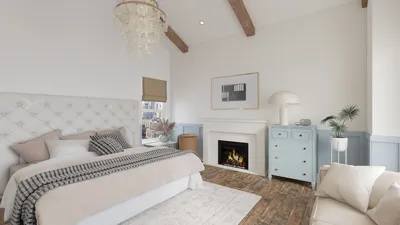


Transforming a cramped kitchen corner with banquette seating can create the most inviting and space-efficient area in your home. When executed properly, it not only enhances storage but also optimizes flow and facilitates daily activities ranging from quick breakfasts to late-night work sessions. Research by Gensler indicates that providing diverse seating options can boost perceived effectiveness and well-being, a concept that seamlessly applies to residential kitchens where various tasks share a consolidated space. The WELL v2 standard underscores the importance of comfortable posture and visual comfort, guiding us in determining the right seat sizes, table heights, and managing glare around a banquette equipped with tools like Homestyler.
In compact environments, prioritizing good ergonomics is essential. The standard height for dining seats lies between 17–19 inches, ensuring a clearance of 10–12 inches from the table. Sticking to these dimensions helps maintain comfortable leg positions and proper posture during meals. I typically design banquettes with 18-inch-deep seats for adults while allowing at least 24 inches per person at the table edge to ensure adequate space. For optimal lighting, the Illuminating Engineering Society recommends a brightness level of 300–500 lux for dining areas, paired with warmer color temperatures (2700–3000K) to foster a relaxed, sociable atmosphere. These guidelines contribute to a cozy and accommodating banquette experience, perfect for those extended dining conversations.
Assess the Corner: Measure, Move, and Breathe
Begin by taking precise measurements. I suggest leaving a minimum of 36 inches of clear passageway next to the banquette; however, if the opposite side includes cabinetry, the bare minimum is 30 inches. In tight galley kitchens, positioning an L-shaped banquette at the end can help prevent through-traffic from interfering with the cooking area. While designing the layout, draft the lengths of benches, height of the backrests, and table overhang, and use a layout simulation tool like Homestyler to experiment with different configurations and check clearances and sightlines.
Choose the Right Banquette Shape
Different shapes can address varying spatial challenges:
In smaller kitchens, I often opt for a clipped L-shape, incorporating one full bench and a shorter return piece. This design aids in easy entry while still providing an extra seat or two. It's crucial to maintain a slightly softened inside corner radius (between 1–2 inches) for comfort and flow.
Ergonomics, Seat Pitch, and Back Support
To encourage guests to linger, a well-designed banquette should feature a seat depth of 18–20 inches alongside a backrest tilt of 5–10 degrees. If you incorporate storage beneath the seat, consider using front drawers for convenient access or a lift-up lid with soft-close mechanisms. Additionally, it’s beneficial to design a 2–3 inch toe-kick for comfort. For households with varying heights, adding a loose cushion of about 1–1.5 inches can help adjust the seat height to an approximate 18 inches. This arrangement aligns with WELL v2 standards, focusing on supporting healthy posture and minimizing musculoskeletal strain with appropriate dimensions and flexibility.
Table Selection: Pedestal Over Four Legs
In snug corners, four-legged tables can hinder movement. A single pedestal or T-base table offers the best access. For most compact nooks, I recommend a table height of 30 inches, with dimensions of 36–40 inches round for seating four, or a rectangular option of 28–30×48 inches for two to four people. Be sure to allow for a 12-inch overhang beyond the bench to facilitate easy seating, and keep the table positioned 1–2 inches away from the back cushions to avoid fabric pinching.
Storage You’ll Actually Use
Banquettes can cleverly conceal substantial storage without revealing their secrets. Drawers are ideal for frequently-used items like linens and lunch boxes, while hinged tops work well for seasonal items. I typically place drawer boxes at a height of 10–12 inches for accommodating bulky objects, and I recommend full-extension slides to prevent lost items. If your banquette is situated near an entry, incorporating a vertical cabinet at the end can effectively manage clutter, such as backpacks or charging stations. Make sure to include venting solutions—whether discreet slots or a half-inch gap at the base—to avoid stale air trapping under cushioned tops.
Light, Glare, and Mood
Achieving a balanced layer of lighting can make a small nook feel expansive. Aim for 300–500 lux at the table level, which can be accomplished through dimmable pendants combined with wall washers or LED lights hidden under window sills. Selecting warm white lighting (2700–3000K) enhances the dining experience, with a high Color Rendering Index (CRI 90+) ensuring that food appears vibrant. If your banquette faces a bright window, consider adding a linen Roman shade to mitigate glare while maintaining color diffusion. Avoid placing exposed bulbs at eye level to reduce discomfort glare and visual fatigue.
Color Psychology for Compact Comfort
Colors can subtly influence behavior. Soft greens and muted blues promote calmness, encouraging longer stays, while warm neutrals with terracotta accents create an inviting atmosphere that enhances appetite. For energizing morning vibes, consider adding a pop of butter yellow via cushion piping or stool edges without overwhelming the space. Keep bold colors limited to small decorative items, since large saturated fields can visually constrict a small nook. Using a slightly darker seat base compared to the wall color will ground the nook and create a clean visual rhythm.
Materials: Durable, Cleanable, and Quiet
Kitchens are busier than ever, thus, I prefer performance textiles that withstand over 100,000 double rubs, moisture-resistant foam, and covers that can be removed for cleaning. Features like vegan leather or coated fabrics offer easy care for spills. Additionally, a banquette can naturally absorb noise; consider a fabric-wrapped backrest or micro-perforated wood panel with acoustic backing to reduce mid-high frequency sounds, ensuring conversations remain clear without excessive volume.
Built-In vs. Freestanding
Built-in banquettes provide a cohesive look and allow for tailored storage, but they require meticulous planning concerning baseboards, outlets, and radiators. Conversely, freestanding benches offer adaptability for renters and can be repositioned seasonally. For renters, consider pairing a standard bench with a wall-mounted ledge shelf to mimic the feel of a backrest line without permanent alterations.
Safety and Kid-Friendly Details
To ensure safety, round off table corners, implement soft-close mechanisms, and avoid glass tops in family-oriented areas. For children, opt for denser cushions to prevent deep sinking and use stain-resistant fabrics with tight weaves. Position power outlets on the side panels rather than beneath lift-up seats to keep cords safe and accessible.
Window Nook Strategies
Window-side banquettes are particularly appealing. If your nook faces abundant sunlight, opt for UV-resistant fabrics and lined shades. Ensure that the backrest remains just below the window sill to maintain a clear view, and consider adding a narrow ledge for potted plants or task lighting. Leave a 2-inch space behind the back cushion to promote ventilation and prevent cold glass condensation during winter months.
Proportions, Sightlines, and Visual Balance
Proper proportioning can make your nook feel more spacious. I maintain a maximum back height of 36–38 inches for banquettes in small kitchens to avoid conflicting with upper cabinets or windows. When ceilings are generously tall, pursue vertical slats or paneling that visually elevates the space, but keep spacing between the panels moderate (3-4 inches) to ensure a refined appearance in compact areas. Align the diameter of a pendant light with the width of the table (around a 1:2 ratio) for a visually pleasing arrangement.
Layout Playbook for Tight Kitchens
I frequently rely on three compact designs:
Testing various arrangements with a room design visualization tool helps confirm reach, sightlines, and knee space before making cuts to your materials.
Workflow: From Sketch to Install
Outline your process beginning with electrical and HVAC confirmations. Use cardboard to template the table and bench arrangements on the floor to ensure clear pathways. After completing the millwork, order cushions, as foam density will affect the necessary table height. Finally, ensure proper installation of the pendant light, which should hang 28–34 inches above the table surface to illuminate plates without obstructing views.
Maintenance and Longevity
Select removable covers, specify protection against stains, and keep a spare yard of fabric handy for repairs. Utilize hard-wearing finishes on wood surfaces—such as matte, waterborne polyurethane—to resist UV damage and harmonize with contemporary cabinetry styles. Schedule annual inspections for hinges and drawer slides; simple adjustments will keep everything operating smoothly and quietly.
To create a banquette foundation, use stock kitchen cabinets topped with a custom toe-kick and lid. Instead of multiple box seats, consider a single tufted cushion for reduced upholstery labor. Pair with a durable laminate or solid wood pedestal table for lasting quality without excessive costs.
FAQ
Q1: What is the ideal height and depth for banquette seating?
A: Aim for 18 inches in seat height paired with a depth of 18–20 inches for adult comfort, and maintain 10–12 inches between the seat and tabletop for adequate legroom.
Q2: How much space should I allocate around the table for comfortable movement?
A: Plan on 24 inches of width per person and ensure you have 30–36 inches of clearance for easy navigation behind seated diners.
Q3: Is it better to choose pedestal or four-legged tables for a small nook?
A: Opting for pedestal or T-base tables minimizes knee obstructions and facilitates smoother entry, especially in U-shaped or deep L-shaped settings.
Q4: What are the best lighting levels to achieve functionality and coziness?
A: Strive for 300–500 lux on the table surface using a dimmable pendant and complementing wall or cove lighting. Warmer color temperatures of 2700–3000K enhance dining atmosphere.
Q5: Which textiles resist spills and wear?
A: Look for performance fabrics that have high double-rub counts, treated woven blends, or coated options like vegan leather for easy cleaning. Whenever possible, choose zip-off covers.
Q6: Can I incorporate storage without bulky design?
A: Absolutely—implement low-profile drawers with full-extension capabilities or a hinged lid with soft-close features for seamless access while keeping the design streamlined.
Q7: How do I alleviate glare if the banquette is near a bright window?
A: Consider adding a linen or light-filtering Roman shade and steering clear of exposed bulbs at eye level. Utilize high-CRI, warm pendants to enhance food presentation and visual comfort.
Q8: What table sizes work best in small banquette spaces?
A: For four diners, a 36–40 inch round table or a rectangle sized at 28–30×48 inches is ideal. Ensure the table has 12 inches of overhang for easy slide-in seating.
Q9: How can I create a renter-friendly banquette?
A: By using freestanding benches, a pedestal table, and a wall-mounted ledge, you can suggest a backrest line without any permanent installations.
Q10: What is the best strategy to visualize different banquette configurations?
A: Use tape or cardboard to outline dimensions and test the flow with an interior layout planner like Homestyler, ensuring you validate clearances, sightlines, and seating capacity prior to purchases.
Homestyler is your go-to online home design platform! With its user-friendly design tool, stunning 3D renderings, and a wealth of DIY video tutorials, you can effortlessly create and visualize your dream spaces. Transform your home with ease and inspiration today!
Diseño ahora GRATIS
































