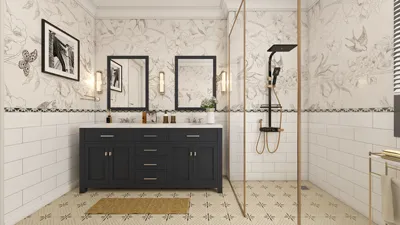


Designing a cozy living room for a small house in the Philippines involves creating a harmonious blend of scale, climate considerations, and family-oriented spaces. My approach emphasizes breathable layouts, control of glare, and moisture-resistant materials, ensuring the area remains inviting for family gatherings. It’s important to note that compact living doesn't imply a lack of space—by focusing on proportions, flow, and visual balance, limited square footage can transform into a peaceful, multifunctional area that utilizes tools like Homestyler for visualization.
The effectiveness of a space can be measured. According to the Gensler U.S. Workplace Survey, properly designed collaborative and focus areas can enhance personal performance significantly. In small residences, this translates into clearer zoning and improved task transitions. As for lighting, the Illuminating Engineering Society (IES) suggests maintaining light levels between 100 and 300 lux for living areas, increasing to 300-500 lux for reading spots, which helps mitigate eye strain and glare in bright tropical climates. Furthermore, WELL v2 guidelines advocate for controllable natural light and low-VOC materials, underscoring the importance of operable shading and suitable material choices for humid environments. These metrics provide a foundation for making choices about comfort.
Colors play a vital role in influencing mood and how we perceive space. According to Verywell Mind, light shades can create an illusion of more space, while blues and greens promote tranquility and rejuvenation. In smaller living rooms, I opt for airy neutral tones on larger surfaces, using vibrant shades selectively in textiles or art that reflect Filipino artistry—such as banig designs, capiz shell accents, or woven rattan elements—to establish a grounded yet airy ambiance.
Plan the Core Layout Around Cross-Ventilation
In the humid climate of the Philippines, it's critical to consider both window orientation and air circulation alongside furniture arrangement. I position the main seating area perpendicular to the main window wall to facilitate airflow and maintain scenic views. If the space also functions as an entryway, a slim console and a shoe bench can serve as a micro-foyer, enhancing circulation. When clients wish to explore arrangements, utilizing a layout simulation tool like Homestyler enables them to visualize furniture placements and movement paths prior to making purchases.
Scale Furniture to the Space
Effective small living room design often incorporates low-profile seating with elevated legs—sofas typically range from 82 to 90 cm in back height with 50 to 55 cm seat depths, achieving a lightweight and inviting feel suitable for warmer climates. I generally steer clear of oversized sectionals unless the room is a square with dimensions of at least 3.2 m on the shortest side. Opting for nesting coffee tables or a singular round table measuring 70 to 80 cm helps alleviate corner crowding. A wall-mounted media unit with a 25 to 30 cm depth can create open floor space, making cleaning easier, which is particularly important in coastal areas prone to dust and salt.
Lighting Approach: Diffuse Daylight and Layered Task Lighting
The Filipino sun can be quite fierce; thus, capiz or linen-lined roller blinds can minimize glare while still allowing daylight to filter through. Aim for ambient lighting between 150 and 250 lux for general use, with adjustable lamps to facilitate relaxation in the evenings. For reading or craft spaces, lighting levels of 300 to 500 lux are ideal, which can be achieved through warm (2700–3000K) floor lamps and reflectors that help reduce direct glare. It's advisable to keep lighting sources above eye level when seated to enhance comfort. If ceiling heights are lower than 2.6 m, I favor using compact surface-mounted fixtures as opposed to recessed options to mitigate heat build-up and simplify maintenance.
Selecting Materials for Humidity and Durability
Material selection must accommodate fluctuations in moisture. I recommend kiln-dried solid wood or marine-grade plywood for built-in features, finished with low-VOC materials as per WELL guidelines. For upholstery, breathable woven textiles are superior to heavy synthetics; removable slipcovers also facilitate easier maintenance in coastal regions. Rattan and bamboo offer local character and, when properly treated, are durable choices. For flooring, options like SPC (stone polymer composite) or well-finished hardwood work well—ceramic tile keeps cool but should be paired with breathable area rugs to prevent mildew.
Understanding Color Psychology Through Filipino Craftsmanship
Utilizing soft off-white or light sand walls creates an expansive and luminous environment. Accent walls in muted teal or sea green can evoke tropical surroundings and are known to promote relaxation. I introduce patterns through throw pillows featuring ikat or banig designs, along with capiz-framed mirrors that reflect light without creating harsh highlights. It's best to avoid high-gloss finishes on large surfaces, as they can amplify glare in bright sunlight. Choosing eggshell or matte finishes enhances the room's warmth and visual appeal during family occasions.
Enhancing Acoustic Comfort in Hard Surface Homes
With tiled flooring, concrete walls, and expansive windows, echo can be an issue. I improve acoustics by incorporating a mid-pile rug, lined drapes, and upholstered furnishings. Varied-depth bookshelves can serve as sound diffusers, while employing a perforated wood panel behind the TV can minimize sharp reflections. Aiming for a reverberation time (RT60) of around 0.4–0.6 seconds in living areas can be achieved through the careful selection of softer finishes and strategic wall placement.
Ergonomics and User Considerations
Designing with ergonomics in mind, maintaining clear pathways of 80–90 cm can minimize collisions in compact spaces. Seating height around 43–46 cm is comfortable for a diverse range of users; coffee table heights between 38–45 cm promote easy access. If the living area serves as a working space as well, positioning a task chair with lumbar support and a light source to the side of the monitor can mitigate glare. I recommend placing switches at a height of 110–120 cm from the finished floor for effortless access and using 3000K bulbs at night to support circadian rhythms in line with WELL’s lighting standards.
Creating Zones for Micro-Functions Without Visual Clutter
In smaller homes across the Philippines, which often accommodate multiple generations, I define spaces with light and storage solutions rather than physical barriers: a floor lamp and a rug can delineate a conversation area; a floating shelf with a stool can serve as a study nook; and a folding screen with woven designs can provide privacy for overnight guests. Keeping vertical storage above 2.0 m can help maintain unobstructed sightlines at eye level. For those experimenting with different layouts, tools like an interior layout planner, such as Homestyler, can be beneficial.
Merging Natural Ventilation with Smart Shading Solutions
Facilitating cross-breezes reduces dependence on air conditioning. Using louvered windows or operable transoms can enhance airflow while managing rain exposure. For west-facing spaces, I recommend double-layer curtains—combining sheer and blackout fabrics—to allow daytime light filtering while ensuring privacy at night. In high-traffic street areas, applying translucent films on lower panes while leaving the upper portions clear can let in light without sacrificing privacy.
Integrating Discreet Storage Solutions
Built-in seating with hinged tops can cleverly store toys and slippers. A vertical cabinet with a depth of 30–35 cm can accommodate board games and dining ware, while a low credenza can serve as a media station. I also install integrated cable management systems to keep cords tidy and create a dedicated drawer for charging devices, maintaining an uncluttered environment.
Designing with Context: Heat, Light, and Community Engagement
In the Philippines, where community gatherings are central—be it noche buena celebrations, karaoke nights, or family visits—creating adaptable seating using stackable stools or slim armless chairs enhances capacity without widening the footprint. I install ceiling fans with spans of 52–56 inches in larger rooms (dimensions above 3.0 m x 3.5 m); for more compact areas, 44–48 inches will suffice. Complementing these with 2700K bulbs at night can maintain a soft, inviting atmosphere.
Cost-Effective Strategies
Prioritizing the refresh of paint and lighting can yield significant improvements. Upgrading blinds and adding dimmers can follow, finally investing in a single, high-quality sofa. Layering in affordable accents, such as locally crafted throws, hand-carved decorative items, and greenery like palmera or monstera plants can soften edges and enhance the overall ambiance.
- Ensure circulation paths are 80–90 cm wide
- Aim for ambient lighting of 150–250 lux and 300–500 lux in task areas (IES recommendations)
- Utilize low-VOC finishes in line with WELL v2 standards
- Keep larger surfaces in light neutral tones while introducing color through textiles
- Select breathable fabrics and seating with raised legs
- Incorporate rugs, lined curtains, and bookshelves for enhanced acoustics
- Design in hidden storage solutions along with effective cable management
- Use tools like layout simulation programs to test plans before purchasing
FAQ
Q1: What paint colors work best to make a small Philippine living room seem larger?
A1: Soft off-white, pale sand, and light gray hues can create an illusion of spaciousness. Incorporating muted teal or sea green accents can add a calming touch without tightening the space.
Q2: What is the recommended lighting level for a compact living room?
A2: An ideal range is 150–250 lux for general ambient light, with brighter levels of 300–500 lux for reading or focused tasks. Warm lighting (2700–3000K) can enhance evening comfort.
Q3: What materials are best suited for high humidity?
A3: Options include kiln-dried wood, marine-grade plywood, appropriately treated rattan, SPC flooring, and breathable fabrics equipped with removable slipcovers.
Q4: How can I minimize echo in homes with hard surfaces?
A4: Employing mid-pile rugs, lined curtains, upholstered furniture, and strategically placed bookshelves can effectively reduce echo. Perforated wood panels behind media elements can lessen sound reflections.
Q5: What is the optimal furniture scale for tight living areas?
A5: Sofas with a seat depth of 50–55 cm, low backs below 90 cm, raised legs, and coffee tables measuring 70–80 cm in diameter or those with nesting designs work well.
Q6: How do I plan for cross-ventilation in my living space?
A6: Arrange seating to ensure unobstructed paths to windows; utilizing louvered or operable windows can help while maintaining airflow without blocking storage heights.
Q7: Is it possible to add a work zone without adding to clutter?
A7: Certainly—by using a floating shelf as a desk, pairing it with a compact ergonomic chair, and providing task lighting, a work area can be effectively integrated without cluttering the room.
Q8: What are some effective storage solutions to keep the room organized?
A8: Implementing flip-up bench seating, vertical cabinets with a depth of 30–35 cm, a low credenza for media storage, and a dedicated drawer for charging can maintain a tidy space.
Q9: Which window treatments work best in intense sunlight?
A9: Layering sheer roller blinds or linen drapes with blackout options works well; consider adding translucent films on lower panes for privacy while preserving daylight.
Q10: What ceiling fan sizes are appropriate for smaller living rooms?
A10: Fans spanning 44–48 inches suit spaces under approximate dimensions of 3.0 x 3.5 m, while larger rooms can accommodate 52–56 inch fans, paired with warm lighting for comfort.
Q11: How can I incorporate Filipino craftsmanship without overwhelming the space?
A11: Using capiz-framed mirrors, rattan accents, and banig-patterned textiles can reflect Filipino culture while keeping the overall aesthetic calm and neutral.
Q12: Which budget-friendly changes make the most difference?
A12: Focusing on updates to paint, layering in lighting with dimmers, selecting functional window treatments, and investing in one high-quality sofa can significantly enhance the space. Adding local textiles and greenery can also elevate the room.
If you're looking to transform your living space, Homestyler is the go-to online design platform. With its user-friendly design tool, stunning 3D renderings, and a wealth of DIY video tutorials, you’ll find endless inspiration to create your dream home effortlessly!
Diseño ahora GRATIS
































