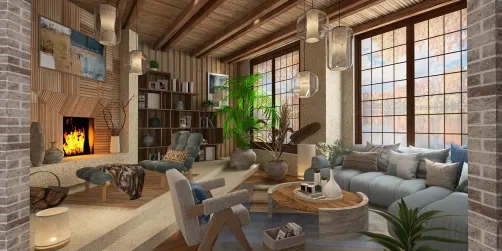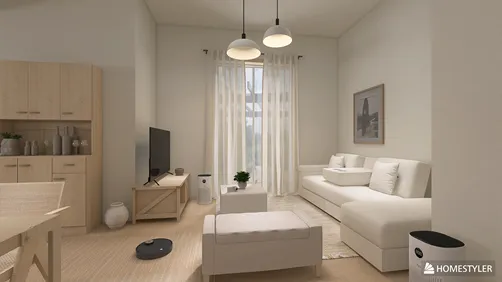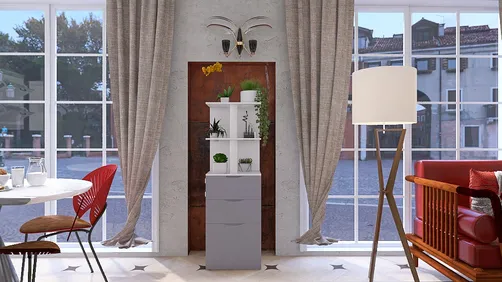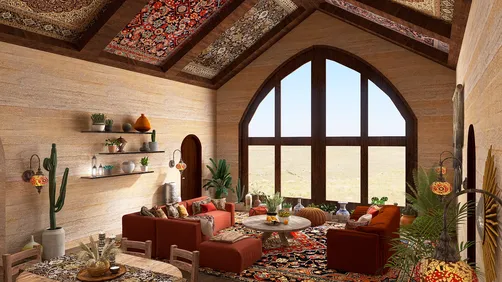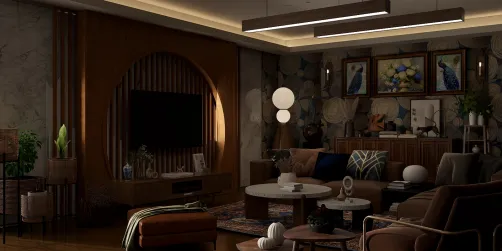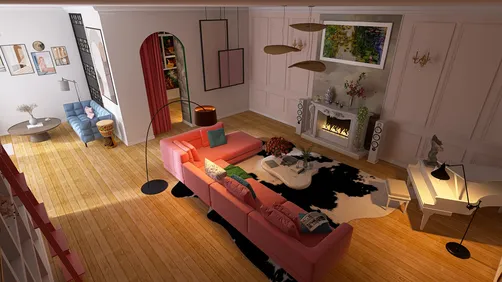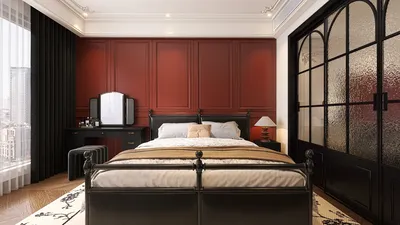
As we progress into the future, the convergence of time presents a challenge: bandwidth. Individuals increasingly seek one-bedroom residences that can seamlessly transition from quiet focus zones to vibrant social hubs. AIA and NAHB highlight that smaller living spaces now require versatile multi-use areas, while Zillow research indicates a preference for efficient storage solutions over mere additional square footage. I conceptualize the one-bedroom house layout as a living operating system, with a spatial reasoning toolkit at its core—emphasizing that the interface is crucial as daily routines unfold into weeks.
Front-Stacked Linear Suite
Design Logic: This design features an entryway leading into the kitchen, dining area, and living space, culminating in a secluded bedroom—akin to a firewall-protected server at the end of the stack. It's built to be future-proof for hybrid work and micro-hosting scenarios.
Flow: The layout follows a clear path from the door to a drop zone, then to a galley kitchen, table hub, lounge area, and sliding door, finally leading to the bedroom and bathroom; this organized sequence minimizes context switching.
Sightlines: Upon entering, there’s a long visual axis that captures daylight; the kitchen offers sightlines to the dining and living areas, while the bedroom is thoughtfully removed from the main visual field.
Storage: The design integrates a wall-length pantry for efficient caching, a concealed bench at the entrance, corridor linen storage, and wardrobes along the bed wall optimized for high usage days.
Furniture Fit: The space accommodates a sofa measuring 72–78 inches, a 30x60-inch table, 24-inch counters, and a queen bed surrounded by 24 inches of clearance on both sides—these API constraints are designed to maintain low latency.
Verdict: The linear layout stabilizes daily routines; in five years, advancements such as modular doors and smart glass can enhance privacy without necessitating a redesign.
save pin
Courtyard Core Loop
Design Logic: This design consists of a compact square layout surrounding a micro-courtyard, where air flow, light, and connection to nature function as the system bus interlinking various subsystems.
Flow: The movement follows from the entryway to a living area, encompassing a kitchen corner, flanking the bedroom, and leading to the bathroom; this seamless loop supports both communal and solitary activities without interruption.
Sightlines: Each central location is linked to the courtyard; the visual hierarchy is layered—sky as the first layer, followed by furniture, with objects at the bottom—effectively reducing visual latency.
Storage: The design incorporates perimeter millwork as a ring buffer, outdoor boxes beneath benches, and a niche wall in the bedroom—optimizing surfaces for order and minimizing clutter.
Furniture Fit: Designed for a maximum corner sofa length of 90 inches, a round table with a diameter of 40 inches for flexible seating, and a platform bed featuring drawers; outdoor stools can function as side tables.
Verdict: This loop promotes both movement and relaxation; over a five-year period, adaptable design turns the courtyard into a climate-responsive companion to the living space.
save pin
Split-Volume Flex Spine
Design Logic: The front space serves public needs while the back portion ensures privacy, interconnected by a service spine—similar to two applications sharing one secure API for water, HVAC, and efficient storage.
Flow: The setup progresses from porch to living area, through the spine (housing laundry, pantry, and coat areas), into the bedroom, and finally to the bath; this organization keeps task packets centralized while facilitating social interactions.
Sightlines: Cross-views extend from the living area to the garden, with oblique perspectives into the kitchen, and no direct sightline to the bed; the hierarchy of information remains user-friendly.
Storage: Closets within the spine function as a RAID system: distributed, redundant, and easily accessible; kitchen pull-outs and shelving behind the bed complement this array.
Furniture Fit: The layout includes a modular wall system 9–12 inches deep, 36-inch circulation paths, media consoles measuring under 60 inches, and accommodates a queen or full-size bed based on lifestyle needs.
Verdict: Two distinct volumes ensure clarity and coherence; in five years, the spine can evolve to incorporate additional devices without overextending the living spaces.
save pin
Final Takeaway
A one-bedroom house layout transcends mere square footage—it serves as an interface that purposefully directs attention, airflow, and time. Similar to its counterparts in one-bedroom designs and compact living blueprints, the future emphasizes efficiency over excess and advocates for storage-as-cache rather than accumulation. Long-term needs such as small-lot one-bedroom homes and residences tailored for remote work can thrive within these frameworks without expanding the physical structure. My perspective suggests that the most intelligent homes of tomorrow will not be larger; rather, they will be more deliberate, and I will continue to design with this vision in mind, utilizing tools like Homestyler to bring these ideas to life.

Discover the magic of home design with Homestyler! This user-friendly platform offers a robust online design tool, stunning 3D renderings, and a wealth of design projects. Plus, with DIY video tutorials at your fingertips, creating your dream space has never been easier. Get started today!