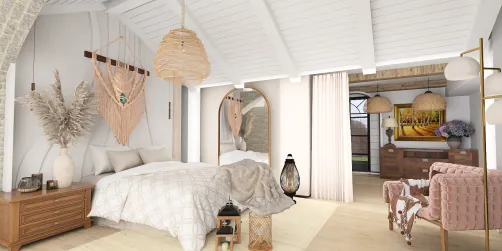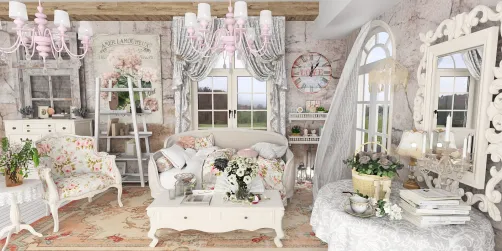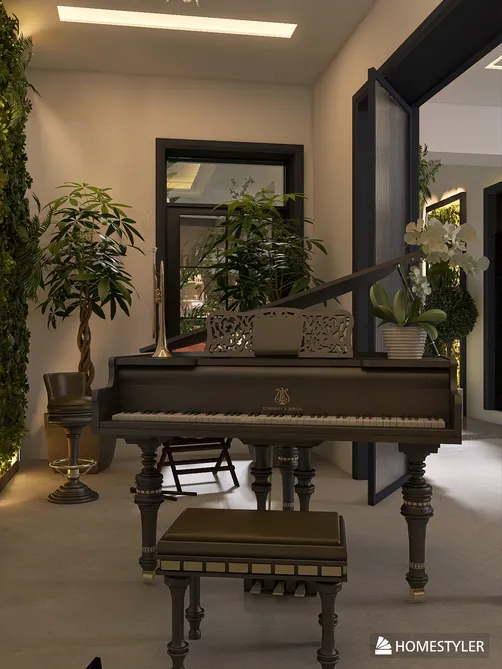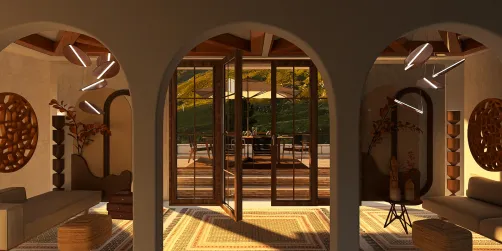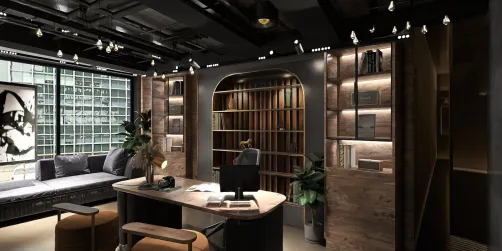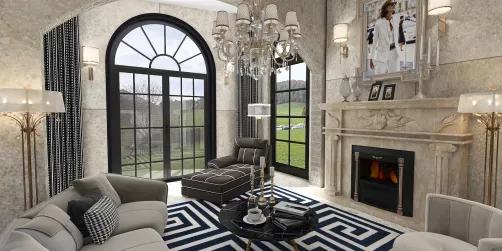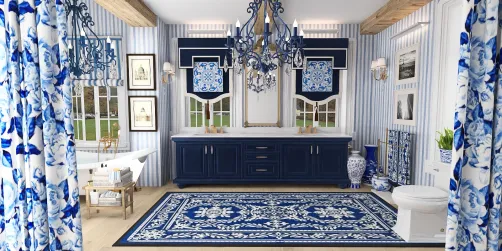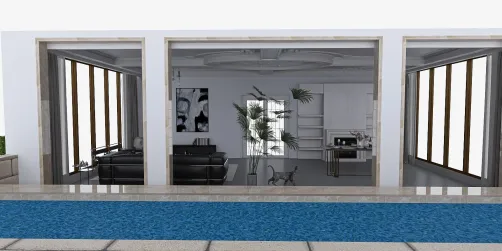
As we confront the future, our existing apartments face challenges such as noise, lack of privacy, and flexible routines. I liken my floor plan designs to the foundational code that will dictate our future living arrangements. According to industry insights from Zillow, there's a noticeable increase in smaller households while square footage growth has plateaued—this scenario influences my spatial planning for one-bedroom apartment layouts significantly. I perceive each layout as a dynamic interface, where limitations transform into meaningful cues, supported by a spatial reasoning toolkit that maintains integrity in design.
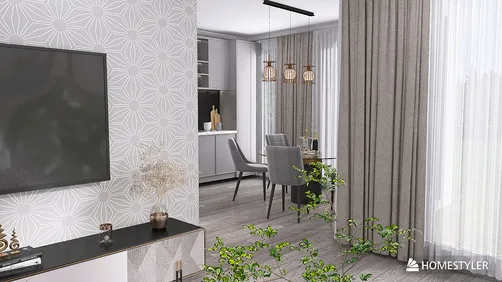
H2: Corridor Spine + Pocket Studio
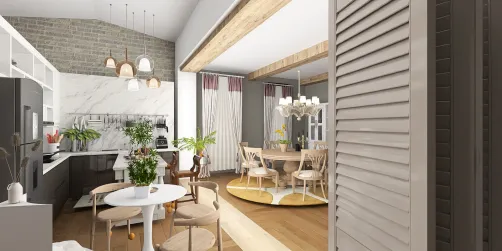
Design Framework: A central corridor serves as the backbone of the layout, while a pocket studio situated near the entrance accommodates both remote work and visitors. Future residences require adaptable spaces over simply more rooms.
Flow: Starting from the entry, one moves through the pocket studio, transitions to the kitchen hub, then to the living area, followed by the bedroom retreat, and finally reaches the bath; this clear sequencing minimizes unnecessary context switching.
Sightlines: The design incorporates framed views stretching from the kitchen to the living space, with angled views to the balcony; private sightlines leading to the bedroom function like permissions for access.
Storage: The design includes shallow wall alcoves along the corridor, a concealed pantry, and a storage system under the bed; this configuration allows for seasonal belongings without creating visual chaos.
Furniture Fit: The dimensions include a sofa between 72-84 inches, a 30-inch deep desk, and a queen bed with a 24-inch clearance; each edge of the design respects the flow of movement.
Conclusion: This layout is designed with the flexibility for varied work and social hosting in mind, maintaining a sense of serenity even as schedules become increasingly complex over the next five years.
save pinOpen in 3D Planner Processing...
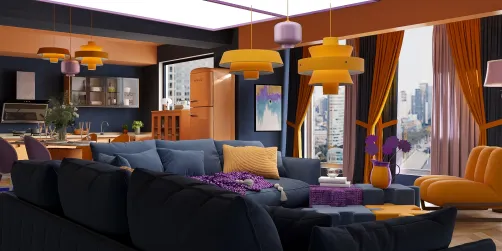
H2: Split-Core Living + Quiet Edge Bedroom
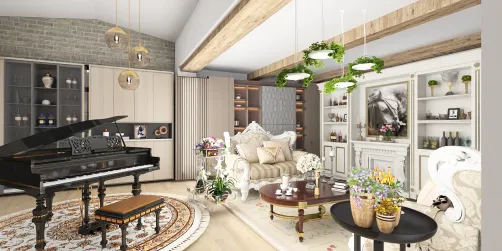
Design Framework: The public area is centralized while the private zone is protected by storage elements; this design meets the rising trend of asynchronous living and fluctuating work hours.
Flow: The sequence starts with the entry, moving to the drop zone, the living/kitchen core, then to the balcony area, followed by storage, the bedroom, and finally the bath; this ensures smooth transitions between spaces.
Sightlines: The layout features layered depth, with the kitchen island aligned to the window axis and hallway elements concealing the sleeping area; this results in a progressively revealing interface.
Storage: A wardrobe in the hallway serves as the main storage area, alongside tall units in the kitchen and a linen tower; clearly labeled capacities help prevent overcrowding and maintain efficiency.
Furniture Fit: The design includes circulation spaces of 36 inches, a round dining table of 60 inches for multifunctional use, and a low media console to keep sightlines open and unobstructed.
Conclusion: This plan successfully balances quiet zones with social spaces, tailored for the next five years of hybrid lifestyles in increasingly dense urban areas.
save pinOpen in 3D Planner Processing...
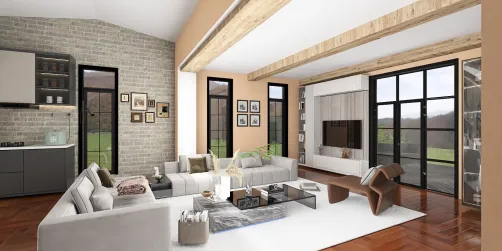
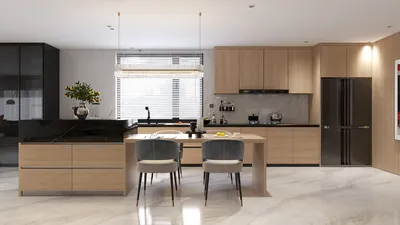
H2: Diagonal View Field + Modular Wall
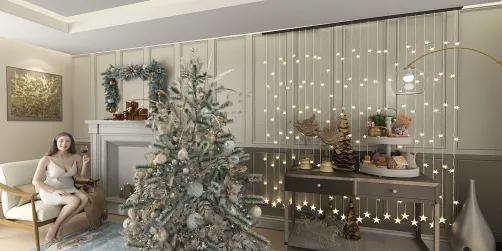
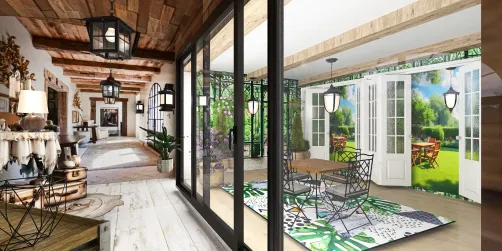
Design Framework: A diagonal axis enhances perceived space, while a modular wall transitions between gallery, storage, and sound buffering, ideal for adaptive and content-rich lifestyles.
Flow: The journey begins at the entry, leading to a diagonal reveal, then to an island node, followed by a lounge area, adjustable wall to the bedroom, and culminating in the bath; this layout adapts to various usage patterns.
Sightlines: Diagonal sightlines enhance UI depth; privacy filters set at 45 degrees ensure that openness is maintained without compromising light.
Storage: The modular wall is equipped with varying depths for storage, overhead netting for lighter items, and an array of base drawers; storage is strategically mapped to access frequency.
Furniture Fit: It accommodates a 30-inch overhanging island suitable for dining or work, a compact sectional sofa (90-96 inches), and options for a queen or split-king size bed; the layout is designed to integrate seamlessly with future technologies.
Conclusion: This planning approach creates a sense of spaciousness, strategically designed to embrace new tools and routines without complexity, ensuring stability over the coming half-decade.
save pinOpen in 3D Planner Processing...
Final Thoughts
Well-designed one-bedroom apartment layouts transcend traditional room delineation; they serve as operating systems for the next decade, facilitating the smooth flow of attention and energy. With related concepts such as compact one-bedroom designs and hybrid living arrangements, the user interface becomes more crucial than the physical structure. From my observations, the leading homes of tomorrow will not necessarily be larger but rather more purposefully constructed. The recurring theme in my projects highlights how a few intentional design elements can subtly transform everyday experiences, showcasing the capabilities of tools like Homestyler in achieving such thoughtful designs.
Homestyler is your go-to online home design platform, perfect for all skill levels. With its user-friendly design tool, stunning 3D renderings, and extensive DIY video tutorials, you can effortlessly create and visualize your dream space. Transform your home design ideas into reality today!