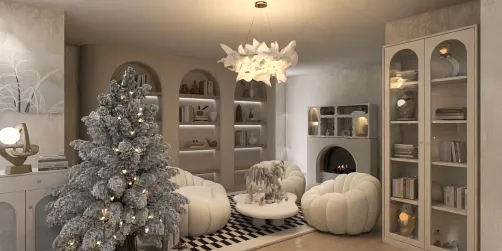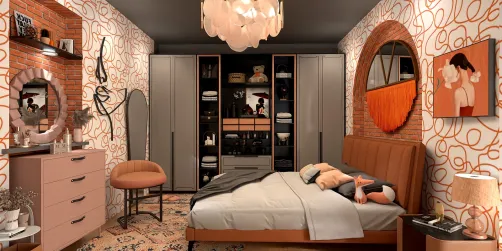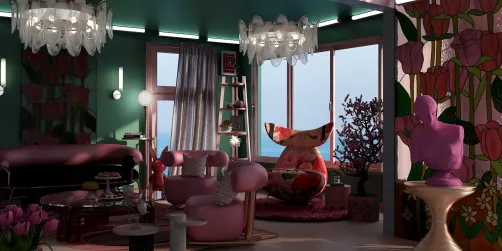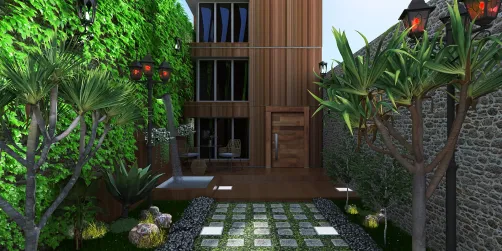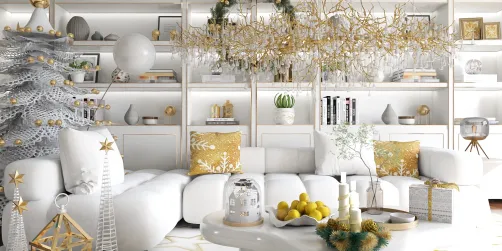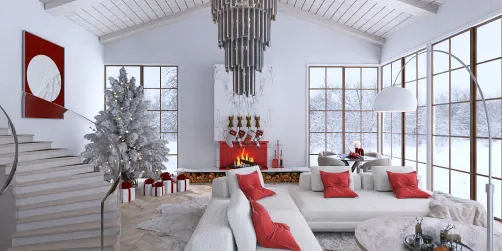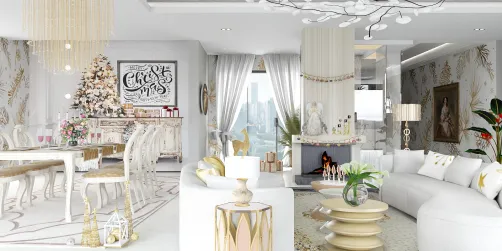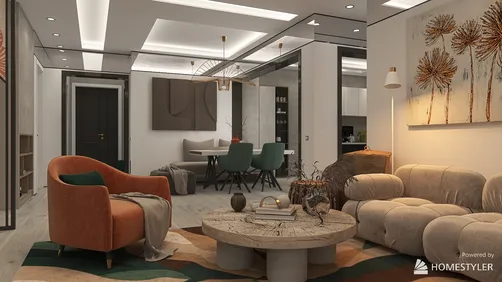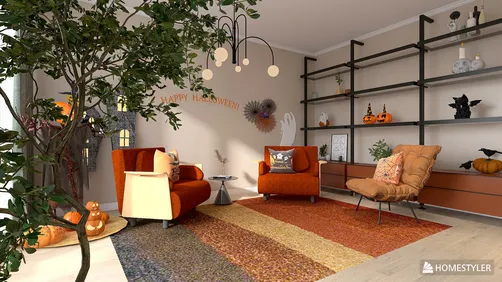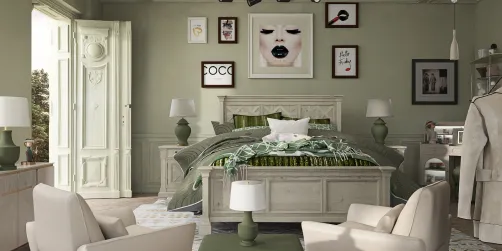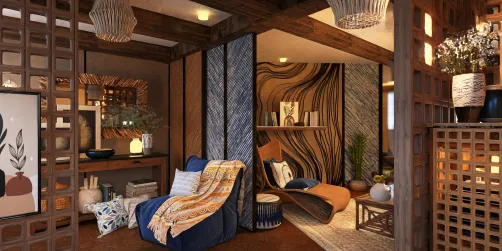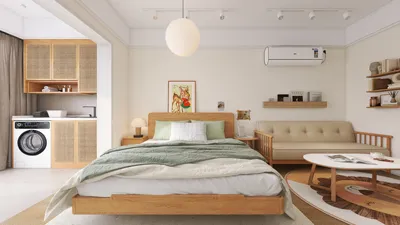
As we look ahead, the challenges we face on our verandas—such as managing humidity, ensuring multigenerational privacy, and controlling energy loss—demand a more intuitive solution. Data from the NAHB shows that households are increasingly diverse across age groups, making flexible zoning a crucial part of modern infrastructure. This perspective transforms Kerala house plans featuring double floors into a harmonious blend of architectural efficiency and cultural adaptability, tailored for coastal conditions. Here’s a look at the next five years through the lens of spatial design and innovative tools like Homestyler.
Courtyard Core + Split-Level Rhythm
Design Concept: An open-to-sky central courtyard effectively regulates humidity and natural light while half-level transitions provide privacy for different generations, fostering a sense of community togetherness.
Flow: The design flows from the entrance to a semi-open verandah, continuing through a courtyard spine into a living area, followed by a raised dining space and a discreet kitchen; stairs lead down to an elder suite and up to children's rooms.
Sightlines: The design features layered views from the verandah to the green core and sky above; privacy sections retreat like user interface layers, allowing for glimpses of life in well-managed increments.
Storage Solutions: Incorporating under-stair storage, ventilated wall niches, and rain-ready trunks; materials ensure that storage areas remain cool during monsoon conditions.
Furniture Arrangement: Using sleek teak furniture and modular seating that suit the narrow spaces; dining areas are aligned with the column grid, with clearances mapped out like a user permissions system.
Conclusion: This design not only anticipates climate fluctuations but also respects cultural rituals; in five years, it will function as a resilient family hub with consistent usability.
save pin
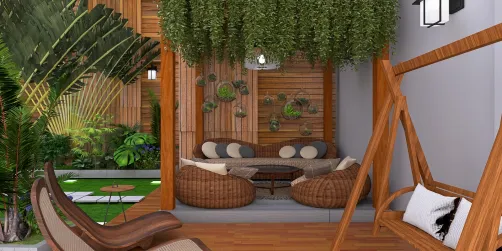
Verandah Loop + Wet/Dry Zoning
Design Concept: A perimeter verandah serves as a cooling enclosure, separating wet areas and protecting finishes; it acts as both a climate barrier and a social pathway.
Flow: From the gate, one moves through a covered loop into the living area and prayer alcove, adjacent to the wet kitchen, and service stair; the main stair leads to peaceful bedrooms and a study above.
Sightlines: Long, shaded passages function as low-latency visual feeds; peeks through jali screens manage sunlight exposure, controlling both brilliance and attention.
Storage Solutions: Implementing tiered pantry sections, outdoor lockable storage, and lightweight attic space; storage aligns with daily needs—essential items like rice and linens are organized as if programmed tasks.
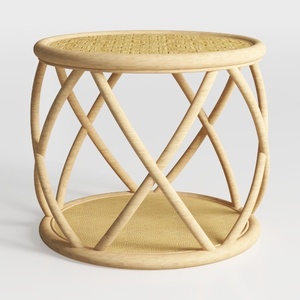
Furniture Arrangement: Featuring cane lounges, stackable stools, and fold-down study ledges, all designed to fit the depth of the verandah to facilitate circulation during gatherings without obstruction.
Conclusion: This layout turns weather challenges into benefits; during future monsoon seasons, the design ensures steady performance while maintaining community engagement.
save pin
Double-Aspect Living + Quiet Roof Room
Design Concept: The design allows for cross-ventilated living spaces paired with a compact roof studio, promoting daytime activity and nighttime relaxation, perfect for households with varied roles.
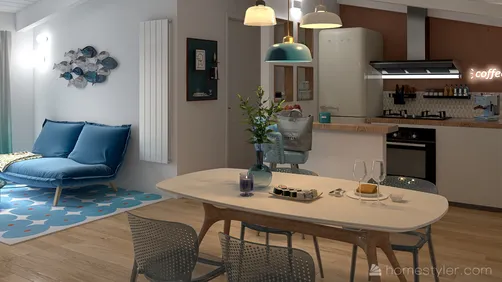
Flow: Progressing from the entry foyer through a dual-aspect corridor into a dining hub and kitchen with an adjoining terrace; stairs lead up to two bedrooms and a roof room discreetly positioned behind solar equipment.
Sightlines: Axial perspectives toward the garden and sky function as layered dashboards; private areas discreetly conceal views at angles, retaining focus without distraction.
Storage Solutions: Incorporating built-in plinth drawers, ventilated closets, and a roof-level equipment area; storage prioritizes the organization of seasonal items and festive gear.
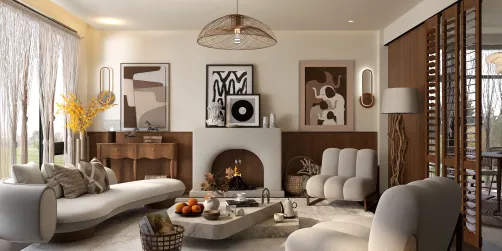
Furniture Arrangement: Including low sofas, floor seating, and an integrated temple niche at column intervals; the roof studio is fashioned as a modular space for work and rest, complying with egress requirements.
Conclusion: This design recognizes the dynamic roles of work, worship, and sleep, integrating them seamlessly; five years from now, it will maintain a timeless appeal while being easily upgradeable.
save pin
Final Thoughts
The design of double-floor homes in Kerala serves as a bridge between monsoon challenges, cultural heritage, and multi-generational lifestyles, extending beyond mere room arrangements. With effective cross-ventilation, verandah features for climate control, and strategic storage solutions, these plans operate like code that responds to environmental and familial rhythms. My experience underscores that in the realm of Kerala house plans, using advanced tools like Homestyler, precision in design will triumph over size; the most intelligent homes of the future won't necessarily be larger but will be designed with intention.
Homestyler is an outstanding online home design platform that makes creating your dream space effortless. With its user-friendly design tool, stunning 3D renderings, and helpful video tutorials, you can easily explore and execute your ideas. Transform your home decor with inspiration and creativity at your fingertips!