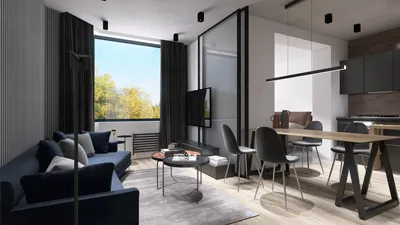


Dark spaces need not evoke feelings of confinement. By utilizing a well-selected color palette, optimized lighting, and strategic materials, I consistently transform dim rooms into serene, bright environments that feel airy without depending solely on bright whites. Color influences our perception: with the appropriate undertones, gloss levels, and contrast ratios, walls can visually recede, ceilings appear higher, and flow within the space can feel seamless.
Brightness transcends simple color – it encompasses quantifiable light. The WELL v2 standards recommend 300–500 lux for general tasks, and upwards of 500 lux for work surfaces, with strategies in place to mitigate glare through shielding and uniform luminance. The IES prescribes ambient lighting levels of about 100–300 lux for living spaces, augmented by task lighting. I rely on these guidelines to ensure effective luminosity: a thoughtfully curated color palette achieves its full potential only when light levels are appropriately tailored. To explore the effects of environment on well-being and productivity, I frequently refer to research from Herman Miller.
Reframing Darkness: Palette Strategy That Opens Space
In areas lacking in natural light, pure white can appear dull and lifeless. I prefer utilizing warm mid-tones such as soft beige or muted almond, combined with cooler accents to achieve chromatic harmony. Warmer walls enhance perceived brightness, while cooler shades offer definition. A lower-chroma selection softens harsh lighting contrasts and reduces inconsistencies that arise under varied light conditions.
Ceiling, Trim, and Sheen: Micro-Choices That Change Perception
Ceilings should be painted in a shade that is slightly lighter than the walls, avoiding stark white to prevent a harsh visual break and creating an illusion of increased height. Trim with a satin finish, differing by one shade from the wall color, sharpens borders and enhances the perceived clarity of the space while preventing glare. I opt for eggshell finishes on walls for even light diffusion and to minimize reflections that can draw attention to flaws.
Color Psychology and Mood Setting
Colors influence our behavior significantly. According to an analysis by Verywell Mind, various shades of blue encourage calmness and concentration, while soft greens symbolize balance and restoration. In shadowy rooms, I adapt these colors to more muted, warmer versions to combat the chilliness of deep shadows. A soft blue-gray in a library aids focus, while delicate sage tones in a bedroom promote relaxation. The key is to align mood with the limitations of the light.
Contrast Ratios: Luminance Balance That Feels Natural
Our eyes prefer moderate contrast levels. Sudden shifts from dark to light can be jarring in low-lit environments. I aim for contrast ratios between 3:1 and 5:1 between primary surfaces, such as walls compared to trims or floors, grounding the darker elements at floor level—such as charcoal rugs or dark wood—while progressively lightening the vertical surfaces. This approach creates a visually taller and calmer atmosphere.
Light Layering: Colour Only Works When Light Is Managed
Ambient lighting creates the foundational lux level; task lighting fulfills functional purposes; and accent lighting adds dramatic flair. In living areas, I target an ambient light level of 200–300 lux with dimmers, alongside 400–500 lux localized task light areas, using a warm 2700–3000K color temperature to maintain coziness. Wall washers that are shielded can enhance vertical brightness without creating hotspots. For workspaces, I recommend 3500–4000K to enhance clarity while balancing warmth. Glare control through strategic angles and matte finishes ensures the color palette remains legible.
Material Selection: Reflectance, Texture, and Eco Considerations
The reflectance values of surfaces are critical. Walls with an LRV of 60–75 reflect light without flattening it; ceilings rated at 80–85 LRV elevate perceived space; and flooring with 20–35 LRV maintains stability. Incorporating textures such as bouclé or textured woods introduces micro-shadows, preventing a sterile atmosphere. I choose low-VOC finishes and FSC-certified materials to enhance indoor air quality and sustainability while ensuring color consistency across different lighting conditions.
Accents and Depth: Controlled Saturation
Even in dimly lit rooms, just a touch of saturation can create a striking effect. A singular deep teal built-in or a rust-toned textile can serve as a color anchor. I make a point to limit saturated accents to 10–15% of the overall visual field, allowing the remaining area to feature moderate tones. This careful infusion of color adds depth—your eyes perceive dimension not from excess brightness, but from thoughtful contrast.
Furniture and Layout: Making Colour Work With Flow
Color should enhance flow and ergonomics within a space. I position lighter-colored furniture (like linen sofas or pale oak side tables) in areas that require openness and keep deeper, tactile items on the outskirts for grounding purposes. If you're uncertain about layouts, utilizing a room layout tool can help visualize color distribution, walking paths, and the interplay of light and materials in real-time scale.
Acoustic Comfort: Quieting the Visual Field
Soft furnishings serve a dual purpose—absorbing sound and diffusing light. Using felt wall panels in subtle shades, heavy curtains in muted hues, and plush rugs can minimize reverberation and enhance visual tranquility. Maintaining color consistency in these acoustic materials helps create a unified aesthetic and combats the busy feeling often found in darker environments.
Sustainable Brightness: Longevity Over Whiteness
Opting for long-lasting solutions trumps temporary brightness enhancers. Selecting durable matte finishes that are easy to clean preserves aesthetics over time without the need for frequent painting. Utilizing finishes with stable pigments minimizes fading, which can alter the appearance of colors as time goes on. A cohesive color scheme across elements that can be swapped—such as lampshades or textiles—helps maintain visual harmony as decor changes.
2024–2025 Trends: Warm Neutrals, Earth Minerals, and Honed Metals
Current design trends emphasize softly warm neutrals like ecru, bone, and hazelnut, complemented by mineral greens and honed metal accents. This approach benefits darker rooms: warm neutrals enhance perceived light, while mineral shades provide complexity without overwhelming the space. Using brushed brass and pewter adds a touch of reflectivity that feels luminous rather than glaring.
Practical Palette Recipes for Dim Rooms
- Living room: walls in warm greige (LRV 65–70), ceiling slightly lighter, satin trim in a coordinating hue; layered lighting at 2700–3000K; one accent in deep color (terracotta or inky blue) through textiles.
- Bedroom: desaturated sage walls, cream ceiling, matte oak furniture; blackout curtains in earthy shades to control light; bedside task lamps at approximately 300–400 lux.
- Hallway: pale mushroom walls complemented by highly reflective wainscoting; linear wall lighting enhances vertical surfaces ensuring a consistent color temperature.
- Workspace nook: soft blue-gray walls (LRV 60–65), 3500–4000K task lighting around 500 lux, a matte desk to reduce glare, with restrained accent saturation.
Design Notes From Practice
I typically begin with a distribution ratio of 60/30/10: 60% light mid-tones, 30% supporting neutrals, and 10% saturated accents. In darker spaces, I adjust this to a 70/20/10 approach and elevate the ceiling LRV. I evaluate light fall-off and designate color placement based on where the eyes tend to land first—usually opposite windows and along traffic paths—to facilitate movement while softening corner perceptions.
FAQ
2700–3000K helps maintain warmth and avoid the dull cast that can make mid-tones appear lifeless. Combining with adjustable ambient light and targeted task lighting yields optimal results.
Limit the use of stark white. Instead, choose light mid-tones with warm undertones for walls and a slightly lighter ceiling. Excessive pure white can feel too flat in low light.
For living rooms, my target is 200–300 lux for ambient light, with focused task areas providing 400–500 lux, compliant with IES recommendations for home settings.
Keep saturated colors to around 10–15% of the visual area. Look for rich tones (teal, rust, aubergine) in impactful small elements—like a cabinet or textile—to create visual interest.
Yes. Eggshel l or matte finishes on walls help diffuse light; satin on trim enhances edge sharpness without excessive glare. High-gloss shouldn’t be used unless there’s a specific intent for it.
Aim for walls with an LRV of 60–75, ceilings at 80–85, and floors around 20–35. This distribution enhances light reflection while keeping visual weight low.
Ensure color temperatures are consistent across all lighting fixtures, testing samples in both daytime and nighttime. Favor lower-chroma hues for better tolerance of variations.
Soft muted blues and blue-grays are ideal for enhancing focus. Pair these with 3500–4000K task lighting near 500 lux to reduce eye strain when reading or working.
Materials that are soft and color-cohesive (like felt and wool) help decrease both sound and visual clutter, resulting in an overall more serene and brighter atmosphere.
Place lighter furniture in key sightlines and keep darker pieces along the edges to provide visual balance. Test different layouts using an interior design tool to assess flow and color interaction effectively.
They are beneficial in most dimly lit areas, but achieving a well-balanced palette is essential. Pair warm walls with cooler accents to create definition and avoid muddiness in color choices.
Soft, warm neutrals, paired with mineral greens and brushed metals can effectively elevate lightness while simultaneously introducing depth without causing excessive contrast.

Minimalist Walnut Wood Extra Long TV Cabinet Console Table 3D Model


31.5" Drum Coffee Table Modern Unique Fluted Tea
Looking to transform your home? Homestyler offers a fantastic online design platform filled with an easy-to-use design tool, stunning 3D renderings, and inspiring design projects. Plus, with a wealth of DIY video tutorials, you'll have everything you need to create your dream space effortlessly!
Diseño ahora GRATIS
































