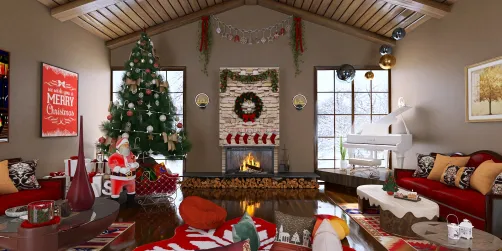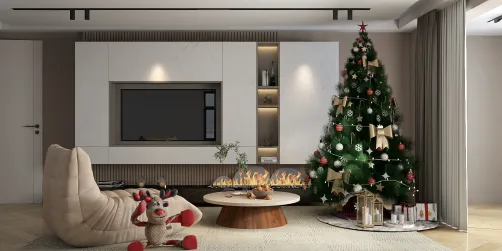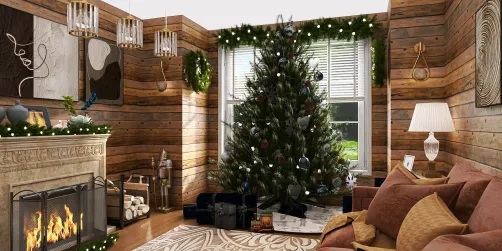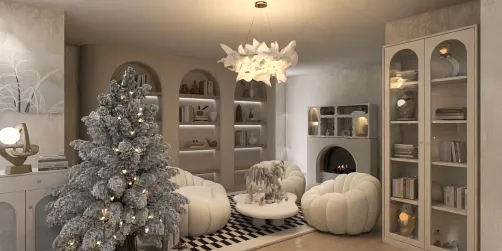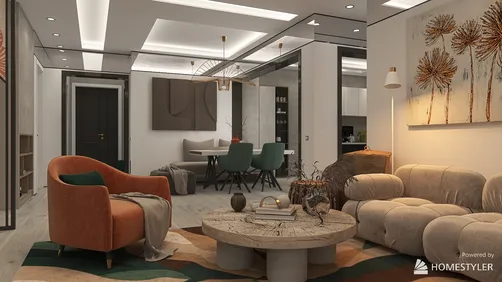
As we move toward the future, my clients often grapple with daily challenges—like mud, mail, and meals right at their doorsteps. Insights from AIA reveal that households increasingly favor flexible zones over just expansive square footage. This shift clarifies why a straightforward ground floor plan embodies more than just design; it encapsulates a lifestyle, and tools like Homestyler can help visualize these concepts. I'm anticipating a transformative five years filled with welcoming entries and adaptable living spaces that will reshape how we live at home.
Entry Spine + Social Core
Design Logic: A linear entry acts as a buffer, managing dirt and deliveries before reaching the heart of the home; it's clear that modern living requires a space that prepares us for varied activities.
Flow: From the threshold to a drop zone, leading into a powder room, then the kitchen hub, on to a living bay, and out to the garden edge; this streamlined path minimizes decision fatigue.
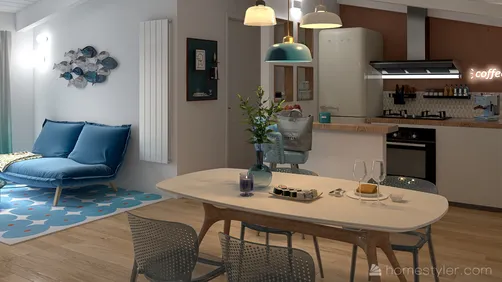
Sightlines: The door opens to the kitchen, which transitions gracefully to the dining area and frames the garden; Homestyler can help showcase these sightlines by highlighting important views while concealing clutter.
Storage: Lockers along the walls serve as vital storage, alongside a shallow pantry and bench drawers; frequently used items are kept conveniently close at hand.
Furniture Fit: With circulation lanes measuring 36-42 inches wide, a sofa bay of 72-84 inches, and a table module 30 inches deep, these dimensions are designed to facilitate human movement seamlessly.
Verdict: This entry spine effectively organizes daily activities—ranging from packages to pets and visitors—while maintaining the social core’s usability, preparing us for a more intentional future.
save pin
Courtyard Loop Compact
Design Logic: A micro courtyard functions as a pivotal node; it integrates ventilation, light, and moments of pause within a compact footprint ideal for sustainable living.
Flow: The path moves from the entry through a loop corridor, pausing at the courtyard before connecting to the kitchen ring and living alcove; this enables elegant detours while maintaining flow.
Sightlines: The design creates a soft view towards greenery, a stark view towards task zones, and a concealed view for storage; this user interface design simplifies cognitive load.
Storage: Vertical units around the perimeter and under-stair storage manage seasonal items, with labeled shelves providing organized access.
Furniture Fit: The courtyard edge allows for a 28-inch café table, while the living alcove comfortably accommodates 60-inch modular pieces, tailoring the scale to everyday rituals.
Verdict: This loop design ensures that compact living remains expansive in feel—ready for the future without requiring more space.
save pin
Split Utility + Quiet Wing
Design Logic: The utility areas are distinct from a peaceful wing, effectively isolating noise from concentration and relaxation; the ground floor thus serves as a versatile workspace.
Flow: Moving from the carport through mud/utility to the kitchen node and into the living area, culminating in a restful quiet room; this careful sequence minimizes interruptions.
Sightlines: The kitchen offers clear views to the entry and living space; the quiet wing angles away to diminish distractions and enhance mental clarity.
Storage: A vertical broom closet, a 24-inch deep utility wall, and under-bench bins prioritize storage according to usage frequency.
Furniture Fit: A span of 9-10 feet in the living area supports both media and conversational zones, while the quiet room is designed for a 48-inch desk and a daybed module.
Verdict: This split configuration is designed with hybrid lifestyles in mind, accommodating chores, calls, and relaxation effortlessly, ensuring clarity even during busy times.
save pin
Final Takeaway
A straightforward ground floor house plan focuses less on physical barriers and more on essential routines—like pathways, storage, and flow that reflect real-time living. Adaptations such as compact courtyard designs and quiet utility wings illustrate how we can enhance daily functionality without unnecessary expansion. From my perspective, the homes of the future won't necessarily be bigger; they will be more purposefully designed, and platforms like Homestyler will continue to play a crucial role in helping visualize these transformative small-space decisions.
Homestyler is your go-to platform for home design! It offers an easy-to-use online design tool alongside stunning 3D renderings, diverse design projects, and helpful DIY video tutorials. Transform your creative ideas into reality effortlessly and start your design journey today!