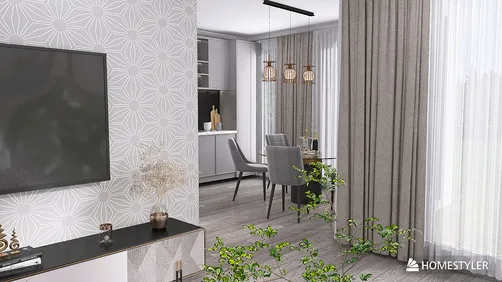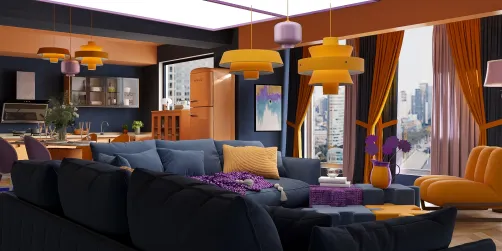
College dining halls are frequently viewed merely as places to have a quick bite between classes. However, through innovative design, these spaces can be transformed into dynamic, inviting settings that greatly enhance the overall student experience. In this article, we will discuss some captivating college dining hall designs that not only offer delicious meals but also foster a strong sense of community among students.
1. Open Concept Layouts
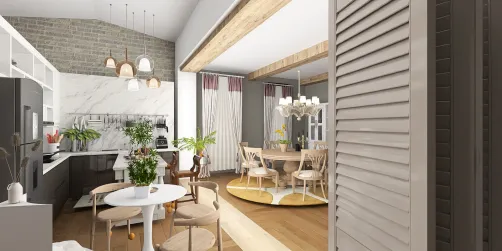
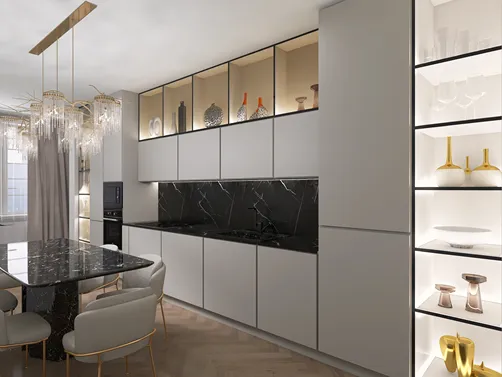
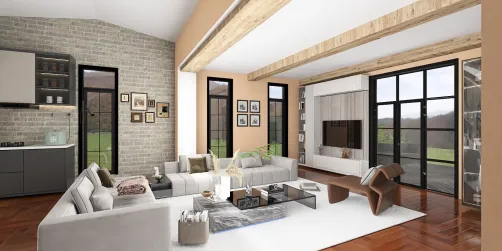
Open concept dining halls eliminate barriers between various dining zones, enhancing opportunities for social interaction. Picture a spacious area flooded with natural light, where students can select from multiple food stations, each featuring a variety of culinary options. This design encourages students to socialize, transforming dining into a communal and enjoyable experience instead of just another meal.
2. Sustainable Design Elements
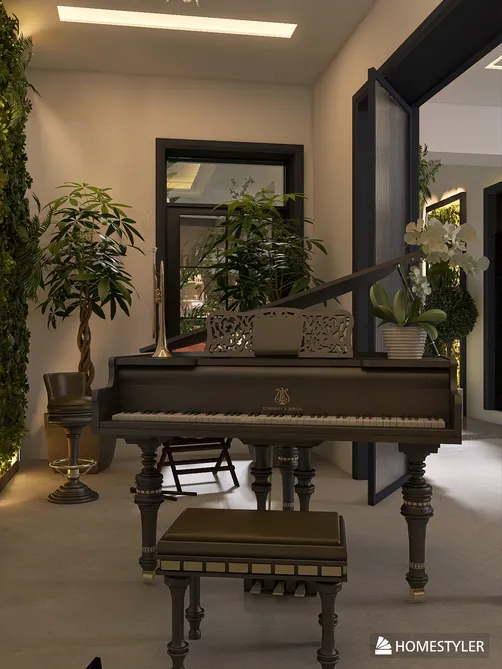
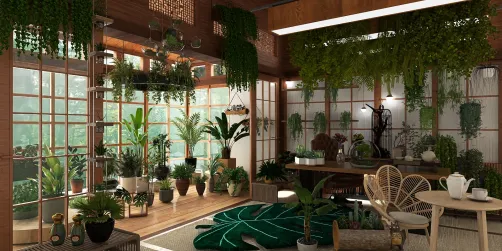
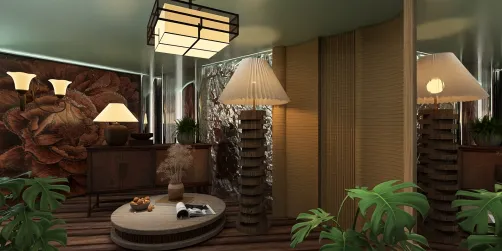
Numerous colleges are now emphasizing sustainability within their dining facilities. The use of eco-friendly materials such as reclaimed wood, bamboo furnishings, and energy-efficient lighting not only minimizes carbon footprints but also fosters a welcoming atmosphere. Adding vertical gardens and indoor plants can improve air quality while bringing a bit of nature indoors.
3. Flexible Seating Arrangements
The era of rigid seating is over! Contemporary dining halls incorporate flexible seating arrangements that cater to different group sizes. Whether it’s intimate booths for couples or expansive communal tables for larger gatherings, these designs promote a feeling of belonging and inclusivity among students.
4. Interactive Cooking Stations
Interactive cooking stations invite students to partake in the food preparation process. Envision a pasta bar where students can select their ingredients while a chef prepares their meals right before their eyes. This creates not only a unique dining experience but also educates students about healthy eating habits and cooking skills.
5. Themed Dining Spaces
Featuring themed dining areas can introduce a fun twist to the dining experience. For instance, a 'Global Cuisine' hall could showcase decorations and menu items from various cultures, enabling students to indulge in international flavors without ever leaving campus. Such themes can rotate periodically, keeping the dining experience vibrant and intriguing.
6. Tech Integration
Implementing technology into dining halls can streamline service and improve the overall student experience. Mobile ordering applications, touchless payment methods, and digital menus can enhance convenience. Additionally, employing screens to showcase nutritional information and meal choices can empower students to make healthier decisions.
7. Art and Culture
Integrating local art and cultural elements into the dining hall architecture can foster a sense of community and belonging. Murals created by local artists or rotating art exhibits can enliven the space, transforming it into an inspiring environment where students feel in tune with their surroundings.
8. Outdoor Dining Options
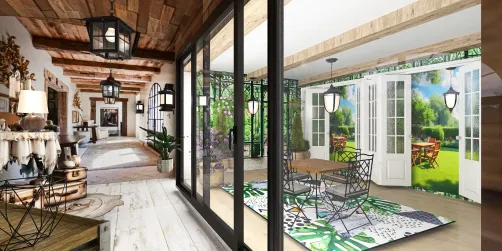
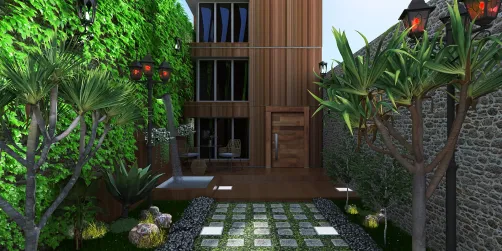
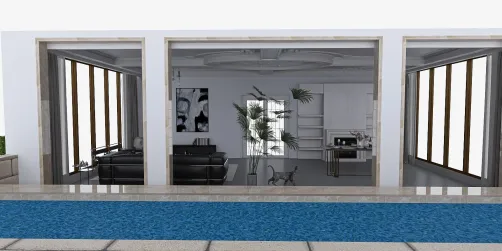
In climates that permit it, outdoor dining spaces can significantly elevate the dining experience. Students can savor their meals in open-air surroundings, enveloped by nature. These areas can be thoughtfully designed with comfortable seating, sunshade structures, and beautifully landscaped gardens, making them an ideal place for gathering.
FAQ
Q: What are the essential features of an efficient college dining hall design? A: An effective college dining hall design encompasses open layouts for socializing, sustainable materials, adaptable seating, interactive cooking stations, and technological integration, all elements that can be enhanced using tools like Homestyler.
Welcome to the leading software for home design!