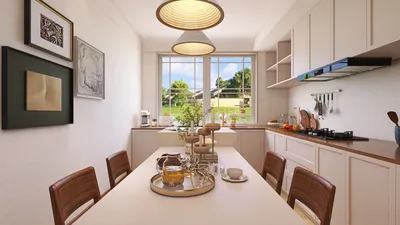


I've incorporated horse paintings into living rooms to instantly infuse life into a space without overwhelming the existing color scheme or furniture arrangement. Equine art introduces movement, elegance, and embodies a universal emblem of freedom and strength. These qualities can serve as a foundational aspect of a room's character while subtly enhancing everyday experiences. The choice of piece, its size, and positioning hold significant importance—when thoughtfully curated, a horse painting can establish the visual rhythm and emotional essence of the room.
The significance of carefully selected focal art cannot be overstated. Research from Steelcase on workplace environments demonstrates that well-thought-out visual elements and biophilic features can reduce stress and elevate comfort levels—benefits that are equally applicable at home when art showcases nature-inspired designs and movements. Additionally, WELL v2 underscores the impact of visual environmental quality, from glare reduction to balanced lighting, on wellbeing. This is crucial when showcasing a large, high-contrast painting that features glossy finishes or deep shadows. Proper lighting can create a significant positive difference when evenly distributed, avoiding hotspots and ensuring that wall paint complements the artwork.
Understanding color psychology adds another layer to your design strategy. According to Verywell Mind, warm colors such as reds and browns can stimulate energy and social interaction, whereas blues and cool neutrals evoke tranquility. Many horse paintings combine warm earthy hues (like leather, soil, and chestnut) with cooler skies or neutral canvases—perfect for living rooms that accommodate both lively gatherings and serene evenings. For cooler palettes, a sepia or umber-toned equine artwork can provide warmth without relying on brighter accents, while a monochrome sketch can elegantly refine a warm scheme without overwhelming it.
Selecting the Appropriate Scale and Positioning
In a typical living room with an 8–9 ft ceiling, a painting's width that ranges between 60–75% of the sofa width generally provides a balanced look. Position the artwork approximately 57–60 inches from the floor, aligning with standard gallery viewing heights. If your seating arrangement forms a conversational U or L shape, placing a large horizontal piece above the main sofa helps to solidify the room’s focus. If the layout is in flux, utilize an interior layout tool like Homestyler to test sightlines and ensure visibility from all seating positions, preventing any obstruction by glare or lamp shades.
Illuminating the Painting for Depth without Glare
Horse art often exhibits strong contrasts, showcasing highlights of muscle, mane textures, and motion blurs—therefore, lighting should maintain definition without compressing the details. Aim for a color temperature between 3000–3500K for warmth combined with clarity. The Illuminating Engineering Society suggests avoiding direct glare and managing luminance ratios to uphold visual comfort; wall-washers or angled picture lights at around 30° can help minimize reflections on glassy frames. Keep the illuminance in living areas between 200–300 lux, increasing only if the room is dimly lit.
Art Composition and Spatial Flow
Movement is the essence of horse paintings—whether galloping, striding, or striking a serene pose. Utilize this movement to shape the room’s spatial rhythm. A dynamic diagonal composition can soften rigid furniture lines and enhance flow around seating arrangements. Position the painting so that if the horse moves from left to right, it appears to be running into the room, rather than toward a corner; this subtle adjustment keeps the energy vibrant and harmonizes circulation and visual cohesion. Complementing the piece with elongated accessories—like linear wall sconces or slender console lamps—echoes the artwork’s composition and cultivates layered sightlines.
Material Selection and Sustainability
I prefer framing equine artworks with natural materials such as walnut, blackened steel, and linen mats, as they resonate with the textures of tack and stable environments while avoiding any literal representation. Seek out FSC-certified frames and low-VOC finishes to ensure sustainable framing options that foster longevity and mitigate off-gassing that may affect indoor air quality. For works on paper, utilizing museum-grade glazing with UV protection is essential for sustaining pigment integrity, particularly in rooms with abundant daylight.
Color Strategies: Finding Balance between Calm and Energy
The painting can serve as the focal point of your color palette. A charcoal sketch can harmoniously blend with greige walls, boucle fabrics, and aged brass accents, exuding a modern classic vibe. Conversely, a richly colored oil painting with shades of chestnut and sienna can create a warm ambiance in winter and depth throughout the year. Choose two colors from the artwork—one as the primary and the other as an accent—and incorporate them sparingly through throw pillows, ceramic vases, and singular patterned textiles. This repetition enhances cohesion while avoiding a theme-dominated look.
Human Factors and Comfortable Viewing
Ergonomic considerations extend beyond just seating choices. Ensure that the primary viewing distance—from the sofa to the artwork—is between 8–12 feet for larger pieces, allowing the details to be seen comfortably without strain. Maintain clear pathways; a console table positioned beneath the artwork should provide at least 18 inches of clearance at corners. Acoustic comfort is also crucial; large pieces on hard surfaces can amplify sound. Incorporating rugs, draperies, and upholstered furniture helps dampen high frequencies, facilitating easy conversations in the vicinity of the focal wall.
Living Room Designs That Enhance Art Displays
In open-plan environments, establish an ‘art wall’ featuring centered lighting and a cohesive furniture arrangement—such as a sofa paired with two lounge chairs angled slightly toward the artwork. To eliminate competing focal points, consolidate electronic media along an adjacent wall. If your fireplace is a prominent feature, consider flanking it with vertical equine artworks instead of one large horizontal piece that might clash with the mantel's proportion. When planning or rearranging the seating, a quick session with an interior layout planner like Homestyler can help visualize lines of sight and heights before finalizing the artwork's placement.
Texture, Finish, and Controlling Glare
Glossy varnishes can accentuate highlights in a horse's coat but may also cause glare, especially in rooms with strong daytime light. If your space faces southwest or west, opt for matte or satin finishes and consider slightly dimmable track lighting. Choose metallic frames that are subtle; overly reflective finishes can compete with the painting's highlights. Light-diffusing shades or sheer curtains can allow natural light while softening contrast, ideal for maintaining detail without overpowering midtones.
Behavioral Indicators and Emotional Resonance
A horse portrayed in a calm stance conveys a sense of grounding—signifying confidence, elegance, and hospitality. In contrast, a galloping horse evokes energy, making it suitable for vibrant social living areas. Allow family dynamics to guide your selection: if evenings are typically for reading and conversation, opt for detailed, mid-contrast pieces; if the space accommodates large gatherings, a lively, high-contrast painting can permeate the area and swiftly contribute to the overall ambiance.
Artwork Maintenance for Longevity
Dust frames and the tops of canvases each month using microfiber cloths and gentle air blasts to prevent damage. Maintain a safe distance from direct HVAC vents to avoid warping or canvas slackening. If employing picture lights, using LED fixtures with high Color Rendering Index (90+) helps to protect pigments better than halogen and accurately represent colors, preserving the painting's nuances.
Frequently Asked Questions
A width that is 60–75% of the sofa typically provides a balanced appearance. Ensure the center is hung around 57–60 inches off the floor for comfortable viewing.
Employ warm-white LEDs (3000–3500K) angled at 30° to minimize glare and aim for approximately 200–300 lux in living spaces, steering clear of harsh hotspots.
As long as the motion directs into the room and the surrounding palette remains subdued, it should work well. Pair it with calming textiles and minimize competing focal points.
Absolutely, but it's important to opt for matte or satin finishes and utilize dimmable picture lights. If glazed, choose museum glass to mitigate reflections and exposure to UV light.
Warm earth tones can generate energy and foster social interaction, while cooler neutrals promote calmness. Striking a balance between these hues can enhance the room’s utility—whether for lively social gatherings or tranquil evenings.
Materials like walnut, blackened steel, or linen mats exude authenticity and tactile appeal. Prioritize FSC-certified woods and low-VOC finishes for improved indoor air quality.
Construct an art wall with centralized lighting, anchoring it with a sofa and two slightly angled chairs. Keep media equipment separate to avoid competing focal points.
Hard surfaces can reflect sound. Balance this by incorporating rugs, curtains, and upholstered seating to uphold a comfortable conversational atmosphere.
Not necessarily. A monochrome piece can appear refined yet relaxed, especially when paired with soft textiles and warm wood tones to enrich the overall aesthetic.
Avoid direct sunlight, use LED lighting with a high CRI, dust gently, and steer clear of HVAC drafts. Consider UV-protective glazing for works on paper.
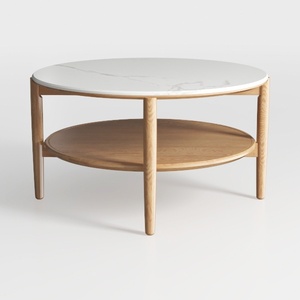
VASAGLE Round Coffee Table, 2 Tier Coffee Table wi
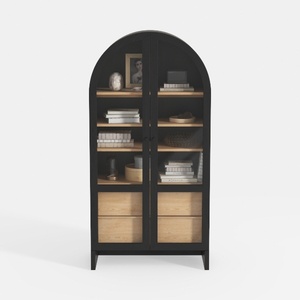
Modway Evie Arched Display Cabinet in Black Oak -

Discover your home's potential with Homestyler! This user-friendly online design platform offers powerful tools for creating stunning 3D renderings and exploring a vast array of design projects. Plus, you can enhance your skills with engaging DIY video tutorials. Transform your space effortlessly!
Diseño ahora GRATIS
































