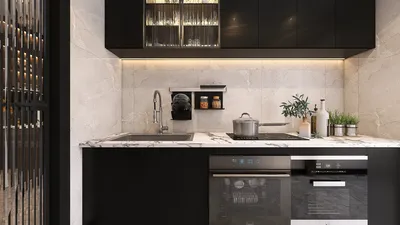


Garden banquet venues beautifully blend the romance of natural landscapes with the precision of thoughtful design. Through my experience, I have discovered that the most effective outdoor spaces collaborate with nature as a partner, crafting views, managing microclimates, and guiding guest movement, all backed by careful performance metrics.
Effective design for outdoor events can be quantified. The WELL Building Standard (WELL v2) indicates that maintaining 300–500 lux for general tasks enhances visual comfort, while more focused lighting levels are recommended for intricate activities. I create dining areas in gardens based on these illuminance levels, selecting warm 2700–3000K ambient lighting, supplemented by 3000–3500K highlights for food visuals while ensuring a low Unified Glare Rating (UGR) to maintain sightlines. Research from Steelcase connects enjoyable and clearly defined spaces to heightened social interactions and reduced stress during gatherings, so I design wayfinding and seating arrangements that foster this social flow. In consideration of spatial capacity, I adhere to hospitality standards, allocating 10–12 sq ft (0.9–1.1 sq m) per guest at seated banquets, and increase circulation space by 25–30% in outdoor settings to accommodate varying terrains and service routes. In terms of color psychology, warmer tones like muted terracotta, sage, and soft gold tend to facilitate social interaction and stimulate appetite, supported by peer-reviewed studies from VerywellMind regarding color and mood.
The lighting approach must involve layers for resilience. I run low-voltage lines to garden edges and canopy supports, employing dimmable circuits to transition seamlessly from ceremony to dining to dancing. Pathway lighting is set at a minimum of 5–10 lux for safety, increasing to 20–30 lux where there are grade changes. String lights and catenary lines act as the ‘ceiling' of the space, securely anchored to steel cables, with spans calculated to withstand wind forces. To enhance acoustic comfort in semi-open gardens, I incorporate plant ‘baffles' and fabric-lined pergolas, ensuring conversations are clear while music maintains its balance. The objective is to harmonize ambiance with code-compliant egress lighting and safe movement routes, all while showcasing the natural landscape.
Site Planning: Microclimate and Movement
The pre-design phase begins with an analysis of sun and wind patterns. In temperate regions, I align head tables and ceremony sites to avoid backlighting during golden hour. The direction of prevailing winds guides the positioning of hedges, combining evergreens with seasonal plants as porous windbreaks. I allocate an 8–10 ft wide procession path to accommodate two-way service carts and guest movements, complementing this with at least 5-ft wide cross aisles every 30–40 ft. When testing out different seating arrangements or service routes, an interior layout planner, such as Homestyler, can be instrumental in visualizing circulation and sightlines before commencing any groundwork.
Seating, Capacity, and Spatial Ratios
Round tables (60–72 in) promote a friendly atmosphere in outdoor settings; I ensure a gap of 6 ft between table edges for chairs and servers, widening this to 7 ft on turf or gravel surfaces. When arranging farm tables (30–40 in wide), I alternate their lengths to maintain rhythmic flow and visual openness, forming corridors. For transitions from ceremonies to receptions, I incorporate prewired hubs for the DJ/band and the chef's station and design a 20–25% versatile ‘swing zone’ that can quickly shift from aisle to dance area.
Light Environment and Nighttime Identity
The evening atmosphere relies on three lighting layers: Ambient lighting consists of soft globe strings, concealed LED grazers in planting spaces, and low-glare bollards set to a warm color temperature of 2700–3000K. Task lighting provides 300–500 lux over bars and carving stations, utilizing shielded spots with narrow beams of 20–30°. Accent lighting bursts of 200–300 lux on trees and arches give dimension to the space. I implement illuminated dimmers to facilitate transitions during events—indicating shifts from speeches to meals and last calls. Adhering to the IES guidelines for uniformity ensures faces are well-lit and photographic moments are flattering.
Acoustics and Sound Control
Even in outdoor settings, sound control is crucial. I prefer using a network of smaller speakers rather than a single loud source to minimize hot spots and noise spill to surrounding areas. Natural sound-absorbing elements—such as thick hedges, climbing plants on trellises, and fabric drapes—assist in softening echoes off hard garden walls. For acoustic performances, I outfit bands with shallow canopies lined with sound-absorbing materials, enhancing vocal clarity while reducing wind interference.
Materiality, Durability, and Sustainability
Ground materials must strike a balance between elegance and usability: options like compacted fines with resin binders, textured concrete, or stabilized decomposed granite provide mobility suited for high heels and wheelchairs. Furniture should be constructed from powder-coated aluminum or FSC-certified hardwoods with UV-protective finishes to withstand the elements. When it comes to fabrics, I mandate those rated for 30,000+ double rubs using solution-dyed yarns for durability against fading. Whenever possible, I implement low-voltage LED lighting with timers and occupancy sensors to minimize energy consumption.
Color Psychology and Seasonal Styling
Selections of color can greatly influence mood and perceived temperature. As twilight approaches, warm metallics and neutral desert tones create an inviting atmosphere; on the other hand, cooler greens and muted blues promote calm in warmer climates. Accent colors should be utilized in multiple areas—florals, linens, and a standout wall or arch—to anchor the color scheme without overwhelming the setting. Subtle tones work more effectively in natural light compared to overly saturated colors, which might alter skin tones in photographs.
Human Factors: Comfort, Accessibility, and Service
I establish a minimum clearance of 18 in between chairs and tables and design aisles of 36–42 in to accommodate servers. Bars are most functional at 42 in high with a service opening of 60–72 in. At midday, I aim for shade coverage over 40–60% of dining areas using tensioned sails, umbrellas, or retractable pergolas. In terms of accessibility, I ensure maximum slopes of 1:20 on main pathways, provide at least one 60 in turning radius at seating clusters, and create stable transitions between grassy areas and hardscapes.
Weather Strategy and Contingencies
It’s vital to design with both forecasted and unforeseen weather in mind. I always prepare a covered alternative capable of accommodating the entire guest count, inclusive of necessary power and lighting setups, along with a quick-change solution. Portable heating units or fans are plugged into dedicated circuits; I ensure clearances are pre-verified for any fabric or floral details. Proper drainage near tent pads is essential, thus I grade pads at a 1–2% slope while safeguarding cables with low-profile ramps for safety.
Back-of-House: Power, Water, and Waste
I establish two distinct power sources: one for catering and another for entertainment, each outfitted with dedicated 20A circuits with GFCI protection in moisture-prone areas. Cabling is routed beneath elevated boardwalks or along hedge bases, ensuring routes across primary egress areas are avoided. Potable water sources cater to bars and kitchens; discreet greywater systems must be conveniently near. Waste segregation stations are strategically placed behind screens within easy access of prep areas, clearly labeled to guide guests when necessary.
Photography Angles and View Framing
Memorable garden events are often captured in stunning photographs. I align key features such as arches and head tables along the main garden sightlines, maintaining a clear space of 12–18 ft in front for photographers. Uplighting on prominent trees and a softly illuminated backdrop during toasts enhances depth and keeps guests’ faces well-lit. Care is taken to position any back-of-house areas outside of sightlines that may be captured during significant moments like speeches.
Cost and Phasing
Phasing out implementations stretches budgets and protects the integrity of the garden. Commencing with infrastructure enhancements—like power provision, drainage systems, and stabilized pathways—does wonders. The second phase entails integrating shade solutions and lighting. The final phase enhances the venue with feature elements such as bars, backdrops, and custom pergolas. Renting certain items (like dance floors and bars) in peak seasons helps manage capital expenditure while gauging market response.
Layout Testing and Visualization
Before finalizing site changes, I prototype the layout using a room design visualization tool like Homestyler, allowing me to evaluate table counts, dance areas, and service pathways. This method is incredibly effective in assessing capacity and sightlines for ceremonies in contrast to receptions, as well as mapping lighting circuits and back-of-house zones without guesswork.
FAQ
Allocate 10–12 sq ft per seated guest for dining, along with an additional 25–30% for outdoor circulation. If integrating areas for dancing and lounge seating, add an extra 2–4 sq ft per person.
Utilize ambient lighting of 2700–3000K for warmth and 3000–3500K for task-oriented areas. This combination enhances skin tones and makes food more appealing while ensuring overall visual clarity.
Aim for 5–10 lux on general pathways and 20–30 lux at stairways, ramps, and grade transitions. Fixtures should be shielded to minimize glare and safeguard night visibility.
Incorporate permeable windbreaks—like hedges, lattices with climbing plants, and pergolas fitted with soft treatments—to mitigate turbulence and avoid drafty downwash.
Opt for smaller speaker distributions instead of a single loud setup, enhancing the use of vegetation and fabric-lined features, while directing music inward to limit noise spill.
Round tables accommodating 8–10 guests foster conversation; mixing in long tables adds a familial vibe. Introduce small bistro tables by bars to promote mingling and fluid interactions.
Ensure coverage for the entire guest capacity with a contingency backup, pre-install power for both setups, use quick-release floral designs, and specify slip-resistant ground materials with adequate drainage at a 1–2% slope.
Use materials like powder-coated aluminum or stainless steel frames, FSC hardwoods with UV-resistant finishes, and solution-dyed outdoor fabrics to withstand fade and moisture. Stabilized decomposed granite or textured concrete ensures reliable footing.
Absolutely—energy-saving low-voltage LED lights paired with dimmers and timed circuits help reduce energy consumption. Solar lights are excellent for path markers when shading is minimal, and specifying long-life drivers can lessen maintenance demands.
Choose warmer color temperatures (≤3000K), shield fixtures appropriately, place lights lower and use indirect methods, along with utilizing citronella or fan-driven airflow around areas with food.
Maintain separate circuits for entertainment and catering, utilize GFCI in wet zones, and ensure cabling follows edge paths with protective ramps at any crossings for safety.
Create stabilized pathways and modular decking solutions over lawns for primary access routes, adhere to 1:20 slopes, and facilitate 60 in turning radii at seating clusters and bars to enhance navigation.
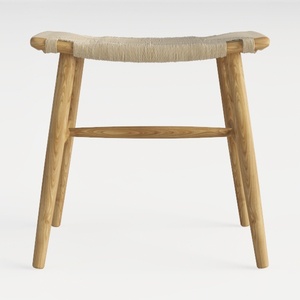
Maven Lane 31" Sophia Backless Bar Stool
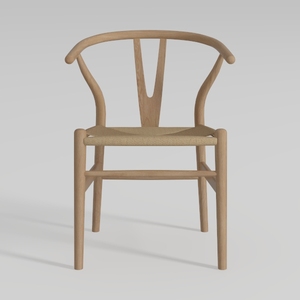
POLY & BARK Weave Chair, Single, Natural

Home Square Palmetto 29" Swivel Bar Stool in Brand
Looking to transform your home? Homestyler is your go-to online design platform! With its user-friendly design tool, stunning 3D renderings, and helpful DIY video tutorials, you can effortlessly create and visualize your dream spaces. Start designing today and unleash your creativity!
Diseño ahora GRATIS
































