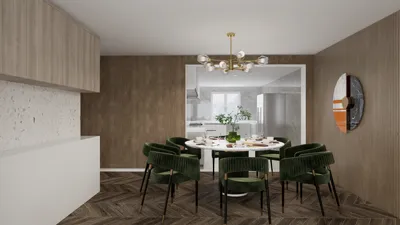


I still chuckle thinking about a time when a client requested that we position a chandelier "low enough to dunk bread beneath it" — yes, actual bread dunking! That experience nearly taught me the tough lesson that scale and alignment are far more crucial than just dazzling fixtures. Many clients fret over small spaces and simple dining areas, but I’ve discovered that linear dining room lighting can transform an ordinary table into the stunning centerpiece of the room, especially with tools like Homestyler to visualize the layout.
1. Slim LED Bar for Narrow Tables
For elongated and narrow dining tables, I frequently opt for a slim LED bar. It ensures even lighting across the table without obstructing views, and it’s highly energy-efficient. However, to prevent the minimalistic bars from appearing too industrial in a warm home environment, I enhance their appeal by introducing a warmer color temperature or incorporating a wooden accent strip.
save pin
2. Multi-Pendant Linear Cluster
I enjoy the playful arrangement of three to five pendants on a single linear canopy to create a dynamic visual flow. This design allows for customization — swapping out glass shades, colors, or varying heights to suit seasons or dinner themes. The key challenge is achieving the correct spacing and wiring, which is why I often enlist a professional electrician to ensure that any asymmetry won’t haunt me later.
save pin
3. Suspended Linear Fixture with Dimmer
A suspended linear fixture equipped with a dimmer is my top pick for versatile ambiance. It can be set bright for family meals or dimmed low and warm for romantic evenings. While the higher cost for dimmable drivers can be a downside, this flexibility is often worth it for my clients. A pro tip: using a warm dimmer curve helps to prevent harsh color shifts when dimming the lights.
save pin
4. Mixed-Material Linear Lighting
Combining materials like metal with wood or glass in a linear fixture generates texture that complements dining furniture beautifully. Once, I combined a brass fixture with reclaimed wood elements above a rustic table — it anchored the modern design and matched the table perfectly. Although the extra focus on matching finishes can extend the procurement process, the end result is certainly worth it.
save pin
5. Integrated Track with Adjustable Spots
Integrated track lighting with adjustable spots allows you to direct illumination on artwork, centerpieces, or buffet areas. This setup is adaptable for shifting arrangements or seasonal décor. Installation and aiming can be somewhat technical; however, for dining areas that serve multiple functions, it acts as a fantastic problem solver.
save pin
Tips 1:
Interested in visualizing these layouts within your own space? Try using a 3D floor planner, like Homestyler, to test fixture sizes and sightlines before making any purchases. A precise mock-up can save you from returns and design-related frustrations.
save pin
FAQ
Q: At what height should a linear dining room fixture be hung?
A: I usually suggest a height of 28–34 inches above the table for ceilings between 8 and 9 feet tall. Adjust slightly higher for taller ceilings to keep sightlines in balance.
Q: Are LED linear fixtures capable of being dimmed?
A: Many are dimmable, but it’s essential to verify driver and dimmer compatibility. Look for fixtures labeled as dimmable and pair them with recommended dimmers to prevent flickering.
Q: How wide should a linear fixture be in relation to the table?
A: Ideally, the fixture should be about two-thirds to three-quarters the length of the table to establish proportion and focus without overwhelming the edges.
Q: Can linear lights be suitable for small dining nooks?
A: Absolutely — slim profiles and suspended varieties can give nooks a more intentional appearance rather than a cramped one. Opt for warm light temperatures to maintain a cozy atmosphere.
Q: Is the installation of multi-pendant linear fixtures complicated?
A: Wiring a single canopy is typically simple for electricians; however, achieving proper alignment and secure suspension may require professional assistance to avoid uneven hanging pendants.
Q: What is the most appropriate color temperature for dining areas?
A: I recommend 2700K–3000K for dining — warm enough to flatter skin tones and create pleasant meals without appearing overly amber.
Q: How can I maintain linear fixtures?
A: Regular dusting is important, along with following the manufacturer’s cleaning instructions for finishes. For LEDs, ensure that drivers are accessible for replacement and avoid harsh chemical cleaners.
Q: Where can I find dependable planning resources for lighting layouts?
A: For accurate planning and visualization, you can utilize industry resources such as the IES lighting guides; the Illuminating Engineering Society publications provide authoritative standards and best practices (https://www.ies.org/).
save pin
Homestyler is your go-to platform for effortless home design. With its user-friendly online design tool, stunning 3D renderings, and a wealth of DIY video tutorials, you can turn your creative ideas into reality. Transform your space with ease and inspiration today!
Diseño ahora GRATIS
































