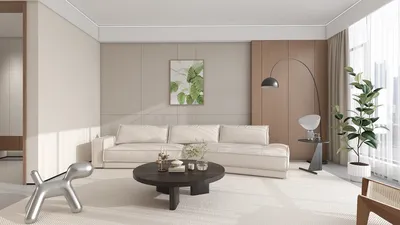


Expansive, empty walls can be daunting, yet they serve as remarkable canvases for artistic expression. I view these surfaces as chances to establish the story of a space, create a sense of balance, and influence mood—be it energizing a living room or fostering tranquility in a home office. In contemporary open-concept homes, an impactful piece of artwork can delineate areas like lounges or dining spaces without the need for physical dividers. According to research by Steelcase, introducing visual diversity and personal touches can significantly enhance engagement and satisfaction, a principle that resonates well in residential environments where expressive walls boost both atmosphere and personal identity. The WELL v2 standard further supports the importance of visual comfort, advocating for balanced brightness and minimal glare—essential factors when displaying oversized, striking artwork, possibly designed using tools like Homestyler.
When making initial decisions, scale and proportion play pivotal roles. A common guideline I follow is to occupy 60–70% of the wall's width with your artwork for a striking presence. If arranging multiple frames, it's ideal to maintain a gap of 2–3 inches between them to ensure a pleasing rhythm. The psychology of color is also significant: as noted by Verywell Mind, blue hues can foster tranquility and concentration, whereas warm reds and oranges tend to elevate energy levels—align these emotional responses with the intended purpose of the room. For lighting, the IES recommends a layered approach to avoid stark contrasts, placing track lighting at a 30° angle to the wall aids in minimizing glare and highlights textures effectively.
Gallery Grid with Rhythm
A collection of 12–24 frames arranged in a grid provides both order and impact. I center the grid at average eye level, typically between 57 to 60 inches from the floor to the center of the arrangement. Consistency in frame style and matting contributes to a cohesive look, while variety can be introduced through the selection of artworks—consider line drawings, monochrome photography, or minimalist prints. For visual balance, ensure the grid’s outer edges align with architectural elements like door frames or window trims. If planning furniture arrangements alongside the wall, utilizing tools like Homestyler can assist in simulating sightlines and spacing prior to making any final commitments.
Oversized Canvas Diptych or Triptych
Utilizing two or three large canvases breaks up bulk while maintaining generous scale. I typically choose dimensions that fall between 24x48 and 36x72 inches for each panel, with a spacing of 3–4 inches in between. Opt for a harmonious color palette incorporating subtle gradient shifts. This approach works particularly well behind sofas or in elongated corridors where a single piece may feel overwhelmingly large. Installing track lighting at a 30° angle with a 15–25° beam spread can help minimize glare; aim for a luminance ratio of around 3:1 between the artwork and ambient light to reduce visual fatigue, following IES recommendations.
Textural Wall Hangings
Macramé, woven textiles, or layered fabric panels not only enhance acoustic qualities but also enrich tactile appeal. In spaces with hard surfaces, textiles absorb mid-to-high frequencies and mitigate echo effects. I recommend keeping the bottom edge of wall hangings 8–12 inches above the backs of furniture to avoid snagging and ensure an airy feel. Neutral color schemes with high-relief textures appear sophisticated and calming; darker tones can introduce cozy depth to taller rooms.
Architectural Paint Blocks
Vivid paint rectangles or arches can frame furniture, mimicking large-scale art without the expense. I apply proportions inspired by the golden ratio or simple thirds, such as a block occupying two-thirds of the wall width and extending from 30 inches to just beneath the crown molding. Selecting low-VOC, easy-to-clean finishes assures durability. Maintain a balance in color temperature with lighting: warm-white (2700–3000K) lends intimacy to saturated colors, while neutral-white (3500–4000K) preserves the crispness of cooler tones.
Mixed-Media Ledges
Installing continuous picture ledges that span 50–70% of the wall's width allows for layering framed works, sculptural pieces, and small plants. This strategy facilitates seasonal updates without the need for additional holes. I position the main ledge at eye level and add another 12–16 inches above it to create a vertical rhythm. Care should be taken with load ratings, ensuring anchors are placed into studs, particularly for heavier frames. Using matte glazing can help diminish reflections caused by windows or overhead lighting.
Statement Mural or Decal Suite
Custom murals can deliver narrative and scale in one fell swoop. Abstract geometrical designs can guide traffic and subtly delineate spaces. For those hesitant to commit, removable decal suites in a cohesive color palette create an impactful display; group these in clusters to avoid visual chaos. It's crucial to leave negative space around doors and light switches for a clean composition. Focus on maintaining consistent lighting as uneven washes can detract from color uniformity.
Layered Mirrors for Brightness
In poorly lit rooms, a carefully arranged mirror setup amplifies perceived brightness and adds dimension. I use a large mirror (between 36 and 48 inches wide) combined with two smaller mirrors on either side. Position mirrors perpendicular to direct sunlight to reduce glare and warmth; angling them to reflect ambient light deeper into the space can enhance illumination. Pairing cool-white lighting with neutral frames fosters clarity, while avoiding placement opposite cluttered areas helps maintain visual calmness.
Large-Scale Photography
A singular, striking photograph—be it a landscape, architectural feature, or abstract close-up—instantly establishes the ambiance. Consider using museum-quality hanging hardware and anti-reflective glass. Opt for images that present a clear focal structure; large photographs can overwhelm if lacking coherence. The ideal mounting height is roughly 58 inches above the floor for optimal viewing comfort. For open spaces, testing distances and furniture placements with an interior layout planner, like Homestyler, ensures clean sightlines.
Sculptural Relief Panels
Whether made from wood slats, CNC-cut elements, or plaster reliefs, these features create shadows and depth. Keep projection limited to under 3 inches in pathways. I strive for uniform modules—such as 2-inch slats with 1-inch gaps—since a rhythmic structure aids cohesiveness. Employ grazing light to accentuate texture, and utilize dimmable drivers to adjust brightness for desired moods and comfort levels.
Color Strategy and Mood
Understanding color psychology is crucial. As Verywell Mind indicates, blue helps foster focus, green provides balance and rejuvenation, and yellow promotes positivity—ideal for creative areas. Warmer, muted shades create a welcoming atmosphere in social spaces without overwhelming them. When selecting color palettes for large walls, it's beneficial to test paint or print samples at full scale; small swatches can be misleading. Under 2700K lighting, reds become richer; under 4000K, cooler tones sharpen—evaluating this in typical evening lighting is essential.
Hanging Height, Spacing, and Ergonomics
Considering human factors is vital. Position the main focal point at approximately eye level for most people—58 inches serves as a reliable midpoint. Above sofas, maintain a clearance of 6–10 inches; for consoles, allow 8–12 inches. When grouping frames, a spacing of 2–3 inches is ideal, while 3–4 inches works for canvases. If your space accommodates varying heights of viewers, slightly lower placements can enhance sightlines, particularly in living areas where art is viewed from seating.
Lighting for Oversized Art
Effective lighting can enhance the dimensionality of large artworks. Implementing a mix of ambient, accent, and task lighting is recommended. Direct track lights at a 30° angle to the wall to minimize glare and shadows; select beam spreads tailored to the width of the art—wider beams for panoramic impacts, narrower ones for detailed subjects. Dimming to 70–80% can create a comfortable atmosphere, aligning with the WELL standard's focus on manageability and glare reduction. Avoid isolated focal points by slightly overlapping beams to achieve uniform brightness.
Materials and Sustainability
When creating DIY projects, prioritize low-VOC paints and sustainably sourced woods. Utilizing reclaimed materials—such as doors, flooring scraps, or leftover fabrics—not only adds character but also reduces waste. If printing large artworks, opt for water-based inks and responsibly sourced paper materials. Mat boards made with recycled content offer good performance while reducing environmental impact without compromising quality.
Planning and Layout Simulation
Before making any permanent adjustments, I create mock-ups using painter’s tape and paper templates. If the wall is part of a larger room redesign, employing a layout simulation tool can assist in aligning art with furniture, flow, and views. This method facilitates a swift evaluation of scale, spacing, and sightlines, particularly when dealing with expansive wall areas.
For more in-depth information on visual comfort and lighting, I consult the WELL v2 and IES standards, which provide insights on glare control, luminance balance, and optimal angles for lighting surfaces. These guidelines ensure that oversized artworks remain comfortable and visually engaging at all times.
FAQ
Q1: How large should my artwork be in relation to a large wall?
A1: Aim to occupy about 60–70% of the wall's width for a confident visual scale. Center the artwork around 58–60 inches high for comfortable viewing.
Q2: What is the best lighting angle to reduce glare on large glossy artworks?
A2: When installing accent lighting, position it at around 30° to the wall. Additionally, utilize matte or anti-reflective glass for photographs and high-gloss prints to minimize reflections.
Q3: How can I choose colors that match the desired mood of the room?
A3: Cool shades like blues and greens enhance focus and rejuvenation; warmer hues energize communal spaces. Test color options under typical evening lighting (2700–3500K) for realistic evaluations.
Q4: What height should art be hung above furniture?
A4: Maintain a gap of 6–10 inches above sofas and 8–12 inches above consoles to ensure visual connection while allowing breathing space.
Q5: Should renters prefer murals or decals?
A5: Removable decal suites are a great option for renters; they offer scale and narrative without a long-term commitment. Cluster the decals for a cohesive look instead of dispersing them.
Q6: What are effective ways to enhance room acoustics with wall art?
A6: Incorporating textiles such as woven hangings or fabric-covered panels can absorb mid-to-high frequencies and soften echoes in rooms with hard surfaces.
Q7: What spacing will convey intentionality in a grid display?
A7: Maintain a 2–3 inch gap between frames to achieve a polished look. Aligning the grid’s outer edges with architectural lines maintains a disciplined layout.
Q8: How can I plan arrangements without the need to drill holes?
A8: Use painter’s tape and paper cutouts to visualize placements. If coordinating with furniture, consider testing sightlines and clearances with an interior design visualization tool.
Q9: What materials are sustainable choices for DIY art?
A9: Opt for low-VOC paints, FSC-certified wood, recycled-content mat boards, and water-based inks. Reclaimed wood and fabric remnants can add charm while maintaining a minimal environmental footprint.
Q10: What beam spread is ideal for illuminating large pieces?
A10: Utilize wider beam spreads for panoramic artworks and tighter focuses for detailed subjects. Overlapping beams slightly ensures even illumination while preventing hot spots.
Q11: How can mirrors serve as impactful wall decor?
A11: Large mirror arrangements can increase light and depth perception. Adjust mirrors to reflect ambient light, steering clear of direct sunlight, and keeping them opposite serene views to maintain visual clarity.
Q12: Can large artworks assist in zoning open-plan areas?
A12: Indeed—cohesively designed larger pieces can act as visual markers that define different living, dining, or work areas without requiring physical barriers.
Homestyler is your go-to online home design platform, perfect for all skill levels. With its intuitive design tool, stunning 3D renderings, and a wealth of DIY video tutorials, you can effortlessly create and visualize your dream home. Transform your space today!
Diseño ahora GRATIS
































