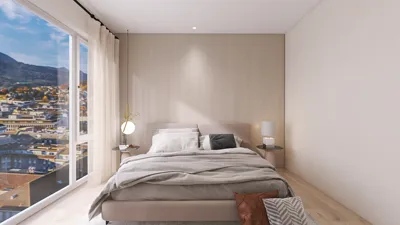


In a memorable project, I accidentally wired a client’s mirror lighting backwards, transforming their dressing nook into an unexpected disco — a true lesson in always labeling wires. This small oversight underscored the importance of each choice in a vanity installation, highlighting how minor adjustments can lead to significant results. My creativity often flourishes in compact spaces, and when considering renovations for your bathroom or dressing area, I typically begin with planning inspiration before selecting a lighting design.
1. Classic Hollywood Perimeter Lights
Picture bulbs framing the mirror for instant glam and even, shadow-free illumination ideal for makeup application. This approach exudes confidence reminiscent of a movie set; however, it can occupy significant space and requires meticulous wiring, so choosing low-heat LED globe bulbs along with a dimmer can help control the luminosity.
save pin
2. Backlit Frameless Mirror
A subtle LED strip positioned behind a mirror casts a gentle halo that embodies modern aesthetics while optimizing space in narrower bathrooms. This design is sleek and suitable for small areas, though it’s essential to use a frosted diffuser for consistent lighting and discreet driver placement — I suggest mounting the driver inside a nearby cabinet for convenience.
save pin
3. Mirror with Built-in Shelves and Lights
I once integrated this design into a 4 sqm apartment: featuring open shelves on the sides and petite integrated spotlights, it seamlessly combined storage with lighting for makeup. The advantage lies in its dual functionality (light plus storage), but it comes with increased weight and requires more wall anchors. Utilizing metal toggles for hollow drywall is crucial, and pre-planning shelf spacing can save you time during installation.
save pin
4. Smart Color-Temperature Mirror
Offering adjustable white lighting (ranging from warm to cool) is one of my preferred enhancements — it allows you to emulate natural daylight for makeup or warmer tones for selfies. Before determining placements, I often sketch layouts and consult detailed floor plans, ensuring switches and outlets are ideally positioned; although smart mirrors are innovative, they tend to be more expensive and may require a separate driver or transformer.
save pin
5. Portable Clamp-On or Tape-On Lights
If budget constraints or rental agreements prohibit permanent installations, clamp-on bulbs or rechargeable LED strips come to the rescue. These options are affordable and reversible, though they may look less refined. I always keep a couple of rechargeable puck lights and tape-on strips handy for quick upgrades during staging or testing before making a commitment.
save pin
Quick Practical Tips I Use
Always consider the positioning of the mirror in relation to switches, outlets, and moisture zones. Opt for warm LEDs (2700–3000K) to enhance skin tones, and integrate a dimmer for added versatility. To create a realistic representation, I sometimes use 3D modeling tools like Homestyler to visualize the final outcome, examining shadows and reflections before finalizing lighting purchases.
save pin
FAQ
Q1: What type of bulb is best suited for a vanity mirror?
A1: I suggest using LED bulbs with a high Color Rendering Index (CRI of 90+) and a color temperature between 2700 and 3500K to achieve natural skin tones; they are both energy-efficient and durable.
Q2: Is it possible to install lighting on my own?
A2: Basic plug-in or clamp-on lighting can be a DIY project, but any hardwired connections should comply with local electrical codes; if in doubt, it’s best to hire a qualified electrician to ensure safety.
Q3: Are backlit mirrors safe from water damage?
A3: While many backlit mirrors are designed to resist splashes, they are not fully waterproof; it’s important to keep drivers and connections away from direct moisture and opt for IP-rated fixtures in wet areas.
Q4: What height is recommended for hanging a vanity mirror?
A4: Position the mirror so that its center aligns roughly with eye level, typically around 150–160 cm. Adjust based on the user's height and the location of sinks or countertops.
Q5: Do smart mirrors necessitate special wiring?
A5: Certain smart mirrors require a neutral wire or dedicated transformer for advanced features such as touch controls and color adaptation, so it's vital to review product specifications before making a purchase.
Q6: What are some budget-friendly DIY lighting alternatives?
A6: Options like rechargeable LED strips, clamp-on bulbs, or battery-operated puck lights are economical and suitable for renters; these solutions allow for experimentation without needing a permanent electrical setup.
Q7: What safety codes should I follow for bathroom lighting?
A7: Yes — adhere to the National Electrical Code (NFPA 70) for the installation and positioning of lighting fixtures in bathrooms, as it sets the standards for safe electrical practices across the U.S.
Q8: How can I evaluate my vanity lighting setup pre-installation?
A8: I create simple layout sketches, test battery-operated lights in position, or utilize quick renders to analyze shadows and reflections; even capturing a phone photo with proposed lighting turned on can provide valuable insights.
save pin
Discover your home's potential with Homestyler! This user-friendly online design platform offers an intuitive design tool, stunning 3D renderings, inspiring design projects, and helpful DIY video tutorials. Whether you're a beginner or a design pro, bring your vision to life effortlessly!
Diseño ahora GRATIS
































