

I once painted an entire guest room what I thought represented "sand"—only to receive a panicked call from the homeowner when it appeared peach in the evening light. The takeaway? Sand is more about mood than simply selecting a color swatch. For practical, space-efficient design ideas, explore my top space planning examples that demonstrate how sand interacts with furniture and lighting.
1. Cozy Sand Walls with Soft White Accents
A warm sand wall accented with soft white trim creates a bright and welcoming atmosphere while ensuring the room feels inviting instead of bland. This combination has a timeless appeal, though selecting a white with the right undertones can be tricky—I typically test samples across various walls before settling on a choice.
save pin
2. Dramatic Sand and Deep Navy Pairing
Combining sand with a deep navy accent wall or cabinetry adds drama while maintaining a sense of tranquility. This combination is perfect for living spaces or bedrooms where depth is desired. Expect to invest more in high-quality paint and lighting to prevent the navy from appearing flat. For kitchen inspiration that harmonizes neutrals with bold statements, consider looking at Homestyler for cabinet color solutions.
save pin
3. Layered Monochrome Sand Shades
Using various shades of sand—lighter on the ceiling, a mid-tone on the walls, and darker for built-ins—creates a sophisticated layered aesthetic without introducing other colors. This approach is particularly effective in open-plan layouts, promoting cohesion, but can require more careful sampling and coordination of finishes, such as matte versus eggshell.
save pin
4. Textured Sand Finishes
Opting for textured paints or subtle limewash in sand tones not only adds visual interest but also conceals minor wall imperfections. I frequently recommend this method for older properties or rental refreshes; it can be budget-friendly if you prioritize technique over costly pigments, although touch-ups might be more challenging later on.
save pin
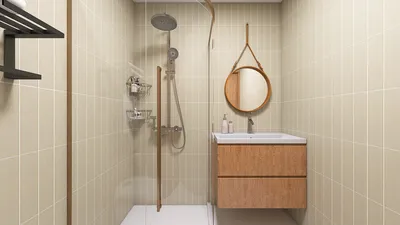
5. Sand for Compact Kitchens and Bathrooms
In small kitchens and bathrooms, sand can create an illusion of space, especially when combined with reflective surfaces and warm lighting. I have facilitated numerous compact renovations that balance airiness and coziness—if you’re seeking layout and visual flow tips, checking out 3D renderings on Homestyler can provide a preview before any paint is applied. Just remember, moisture can be an issue: opt for washable, semi-gloss finishes in damp areas.
save pin
FAQ
Q1: What does 'sand' refer to in paint terminology?
A: Sand colors are neutral beiges with warm undertones that resemble natural sand; their shades can lean towards yellow, pink, or gray based on the formulation.
Q2: How do I select the correct sand shade for my space?
A: Test large samples on various walls and observe them throughout different times of the day. Evaluate the room’s exposure and how it interacts with your existing furniture colors.
Q3: Is sand a suitable color for small spaces?
A: Definitely—sand reflects light well, giving a sense of spaciousness while adding warmth. Use lighter sand tones in very compact or windowless rooms and combine them with trim or accent colors for added depth.
Q4: What’s the best finish for sand-colored walls?
A: Eggshell or low-sheen finishes work well in living areas, while semi-gloss is ideal for kitchens and bathrooms due to its wipeability and resistance to moisture.
Q5: Can I combine sand with bright colors?
A: Absolutely! Sand serves as a calming backdrop for vibrant hues such as turquoise or coral, allowing them to stand out without overwhelming the space.
Q6: How can I effectively test undertones?
A: Place two sand samples side by side on the same wall; typically, the cooler-toned sample will appear fresher, whereas the warmer one will have yellow or pink undertones.
Q7: Is there a reliable way to understand light reflectance?
A: Yes—Sherwin-Williams offers Light Reflectance Value (LRV) information for every color, aiding you in predicting how light or dark a paint will appear in your room (for detailed insights, check Sherwin-Williams LRV charts at https://www.sherwin-williams.com).
Q8: How can I budget for a sand paint refresh?
A: Begin by purchasing sample pots and painting essential walls; focus on areas that are most visible. Leveraging existing trims and only updating soft furnishings is a cost-effective strategy to transform the room’s vibe.
Discover the ease of home design with Homestyler! This user-friendly platform offers an intuitive online design tool, stunning 3D renderings, and a wealth of design projects and DIY video tutorials. Transform your space effortlessly and unleash your creativity today!
Diseño ahora GRATIS
































