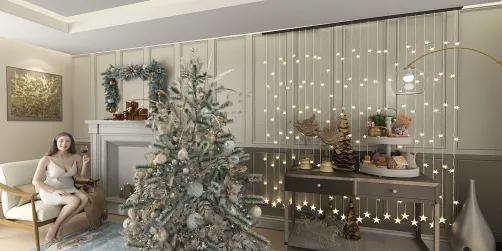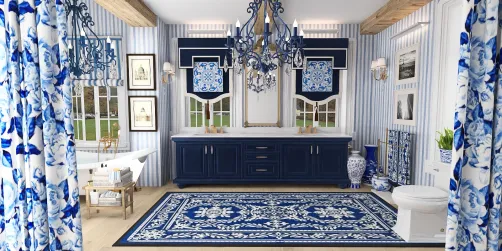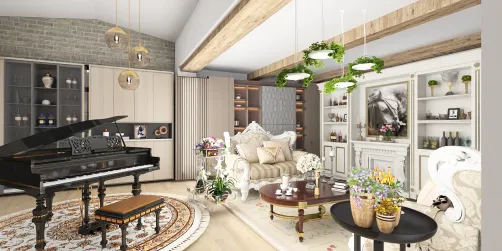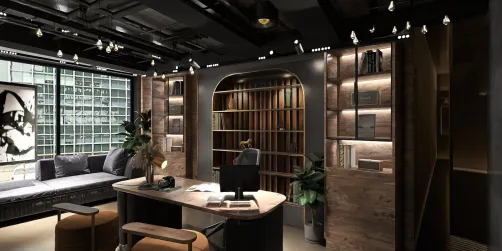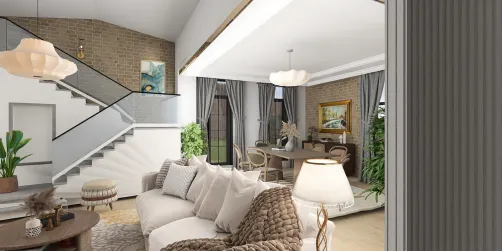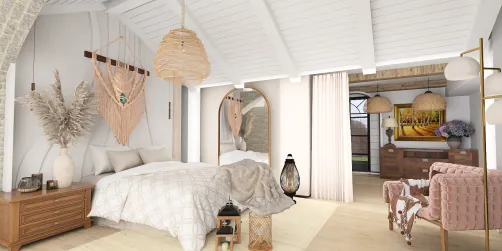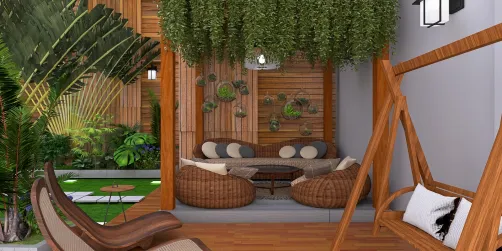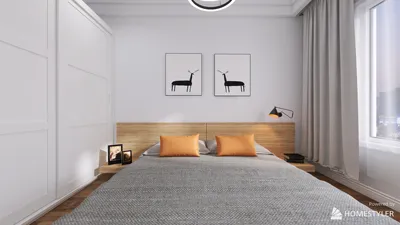
With more than ten years as an interior designer, I’ve recognized that updating living room ceiling lights is one of the simplest ways to rejuvenate a space without extensive renovations. Currently, trends are leaning towards layered lighting and bold fixtures. Interestingly, smaller rooms often generate the most creative lighting solutions; I have transformed intimate apartments where lighting plays a key role in enhancing the atmosphere. Today, I am excited to present my top 10 ideas for living room ceiling lights, all based on real design projects and expert insights, including innovative tools like Homestyler that can help visualize these concepts.
1. Minimalist Flush Mount Fixtures
Insight: In one project, I revamped a downtown studio with a sleek matte black flush mount. Its low profile maintained an airy and sophisticated feel in the room.
Advantages: Perfect for rooms with lower ceilings, these fixtures boast clean lines that align well with contemporary lighting designs as highlighted in Elle Decor’s latest trends report.
Disadvantages: They might not add the dramatic flair of a chandelier and may not suit spaces with significantly high ceilings.
Advice: Consider choosing dimmable options to easily switch from bright daytime lighting to a cozy evening ambiance.
2. Pendant Clusters Above the Coffee Table
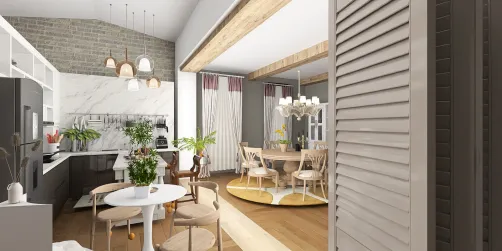
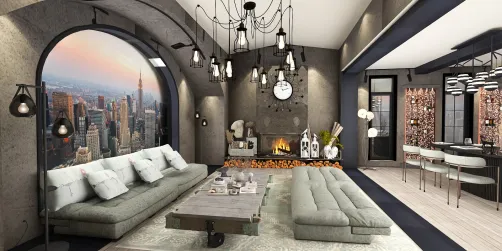
Insight: Recently, I installed a trio of distinct pendants at varying heights in an open loft setting — it quickly became the focal point of the space.
Advantages: These clusters draw attention and can enhance multiple seating arrangements within your living room. They provide depth without requiring a large fixture.
Disadvantages: Installing them can be somewhat challenging; getting the heights just right requires a bit of effort.
Explore how pendant arrangements can elevate modern living room designs and spark your creativity using tools like Homestyler for planning.
3. Recessed LED Grid
Insight: I am particularly fond of recessed LED lighting in minimalist or Scandinavian-style interiors — they create a pleasingly unobtrusive ceiling design.
Advantages: These fixtures are energy-efficient, virtually undetectable, and allow for zoned lighting to accentuate art pieces or mantels.
Disadvantages: If you opt for cooler color temperatures, the atmosphere may come off as overly clinical.
For instance, with one particular client, layering recessed lights with floor lamps made their 14sqm living area feel remarkably larger.
4. Statement Chandelier
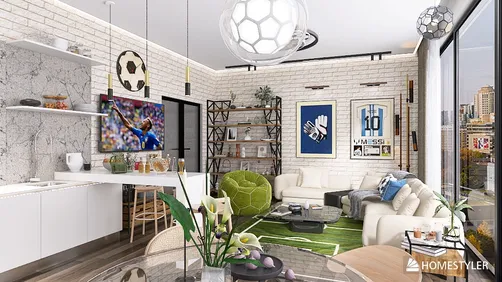
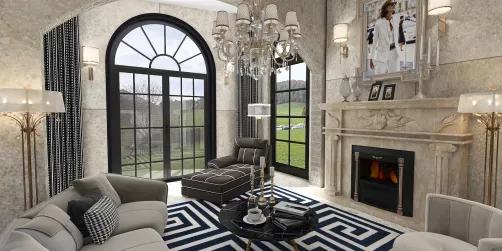
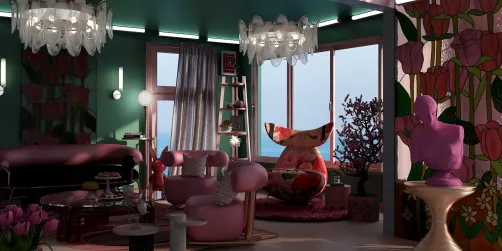
Insight: I merged a modern glass-globe chandelier with intricate plaster moldings in a Victorian-style residence — successfully blending contemporary and traditional elements.
Advantages: This lighting option delivers an immediate impact and serves as a core design element as noted in Architectural Digest’s lighting features.
Disadvantages: They can dominate smaller spaces if not properly scaled.
5. Cove Lighting for Ambient Glow
Insight: In a media room project, I introduced cove LED strips — the warm uplighting elevated movie night experiences significantly.
Advantages: These lights offer a subtle, unobtrusive glow ideal for creating cozy atmospheres and accentuating ceiling details.
Disadvantages: Installation can be more labor-intensive; it’s not an easy weekend DIY project.
Investigate how ambient ceiling lighting can enhance open layouts, creating mood without harsh glare.
6. Wooden Beam Fixtures
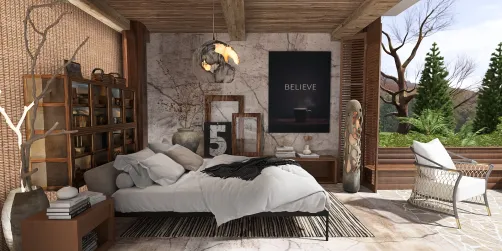
Insight: In a rustic cabin, I suspended Edison bulbs from repurposed oak beams — instantly adding character and warmth.
Advantages: These fixtures contribute warmth and texture, perfect for farmhouse or industrial-themed interiors.
Disadvantages: Their weight may necessitate reinforced mounting in ceilings.
7. Skylight Integration
Insight: Natural daylight is unparalleled; during one renovation, I framed a skylight with hidden LED lighting for evening lighting capability.
Advantages: Maximizes natural light during the day and decreases energy consumption.
Disadvantages: Not all climates or roofing structures are suitable for skylights.
8. Ceiling Fan with Integrated Lighting
Insight: In tropical settings, a ceiling fan with built-in lighting serves a dual purpose — it was essential in a redesign project of a Bali villa.
Advantages: This design saves ceiling space while ensuring proper air circulation, especially beneficial in smaller living rooms.
Disadvantages: The design variety may be more limited than that of standalone fixtures.
9. Track Lighting for Flexible Focus
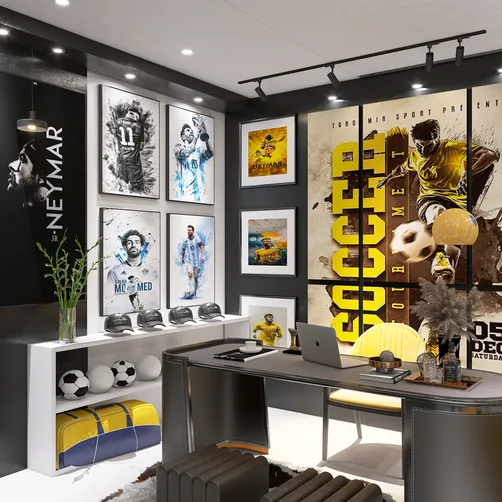
Insight: For an art collector client, we installed an adjustable track lighting system to highlight various wall displays.
Advantages: Easily customized to showcase decor or functional areas effectively.
Disadvantages: The industrial aesthetic may not align with every design style.
Discover how track lighting systems provide adaptable options in mixed-use spaces to suit your style.
10. Color-Changing Smart Lights
Insight: It has been fun to work with RGB smart lights for clients who love entertaining and creating atmospheres.
Advantages: These lights can quickly change mood, synchronize with music or films, and be controlled remotely.
Disadvantages: If overdone, they may come across as gimmicky; it's wise to set limits for their usage.
Conclusion
In many cases, smaller living rooms inspire the brightest ceiling lighting ideas — it’s crucial to ensure each fixture serves a purpose. As highlighted by the American Lighting Association, layering light is essential for comfort and functionality. Which of these 10 inventive living room ceiling light ideas, perhaps using Homestyler as your design tool, would you explore first?
FAQ
Looking to transform your home? Homestyler is your go-to online design platform! With its user-friendly design tool, stunning 3D renderings, and a wealth of inspiring DIY video tutorials, you can effortlessly create and visualize your dream spaces. Start designing today!