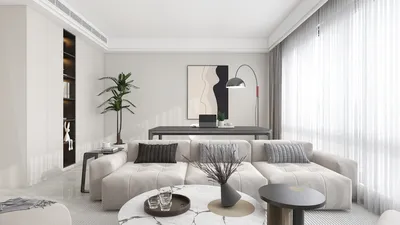


I once had a client who insisted on adding a tiny disco ball above the washer—she argued that folding socks should be a cause for celebration. I nearly installed a chandelier in a damp closet before remembering the importance of moisture ratings, so now I always create photo-real renders using Homestyler before making any holes. Small laundry rooms present the ultimate creative challenge: limited space yet significant impact.
1. Sleek flush LED with dimmer option
For most narrow laundry rooms, I typically start with a moisture-rated flush LED panel. This fixture offers uniform, shadow-free illumination while being energy-efficient; plus, incorporating a dimmer allows you to transition from bright task lighting to a softer ambiance. Some cheap alternatives may appear too harsh, so it's essential to select warm-dimmable options and test bulbs in person.
2. Under-cabinet strip lighting for work areas
If upper cabinets are installed over a counter or a folding shelf, low-profile LED strips can be transformative. They eliminate shadows where you tend to sort and fold laundry, and you can discreetly hide them behind a small valance for a tidy appearance. The downside is the wiring; plan for access during a remodel or choose plug-in strips for convenient retrofitting.
3. One or two small pendants to inject personality
A couple of small pendants positioned above a folding shelf can enhance the room’s design rather than leaving it strictly functional. I often suggest industrial cages or woven shades for added texture, but it's crucial to monitor the height; too low, and they might snag on laundry. When planning the layout, I verify the lighting placement with small-space layout mockups via Homestyler to ensure pendants won't interfere with doors or shelving.
4. Recessed adjustable spots for versatile lighting
Recessed adjustable downlights are ideal for long, narrow laundry rooms where targeted lighting is essential for washing machines, counters, or drying racks. They maintain a low profile and can be zoned with separate switches. Although installation may be trickier in retrofits due to joists and insulation, the end result is a sleek, highly functional appearance.
5. Smart panels or motion-sensor fixtures for ease
I enjoy implementing motion-sensor strips or smart LED panels so that the lights automatically illuminate as you enter the room with baskets in hand. Adjustable color temperature is beneficial—warmer tones for folding, cooler shades for stain removal. In projects where I assess finishes and workflows, I may employ Homestyler’s AI-assisted design features to expedite decision-making.
Budget tip: consider swapping bulbs before replacing fixtures; a warmer LED or diffused shade can often mitigate harshness. If moisture is a concern, select fixtures with an IP or damp rating, and it's wise to consult an electrician for any rewiring. Some of my favorite victories in small spaces have included built-in shelves with concealed strip lights and a solitary pendant that turned laundry day into a more enjoyable experience.
FAQ
Q1: What brightness (lumens) do I need for a laundry room?
A good standard is 300–500 lumens per square meter for general tasks, and brighter, focused lighting (500–800 lumens) for areas designated for folding or treating stains. LEDs are the ideal choice as they provide high lumens efficiency with low energy consumption.
Q2: Can I use pendant lights in a small laundry room?
Absolutely—small pendants make excellent focal points or task lighting. Ensure they hang low enough for proportion yet high enough to avoid interference while handling laundry.
Q3: Are recessed lights better than surface-mounted in tight spaces?
Recessed lights offer a cleaner aesthetic and conserve headroom, whereas surface-mounted LEDs are typically easier and more cost-effective to install in retrofits. It’s important to choose based on ceiling height and installation budget.
Q4: How do I prevent moisture damage to fixtures?
Opt for fixtures rated for damp or wet conditions in laundry areas, and steer clear of wooden finishes directly above washers. Good ventilation and an exhaust fan are also crucial in reducing humidity problems.
Q5: Is warm or cool light preferable for laundry?
Warm light (2700K–3000K) creates a cozy atmosphere for folding, while cool light (3500K–4000K) provides clearer visibility for stain spotting. I often install tunable lights enabling homeowners to experience both types.
Q6: Can I install motion sensors for lights?
Definitely—motion sensors offer great convenience, especially when your hands are full. It’s essential to ensure sensors have adjustable sensitivity so they don’t shut off during slower tasks.
Q7: How do I determine fixture size for a compact laundry room?
Maintain proportionality: small pendants (8–12" diameter) or narrow linear lights are more suitable than large chandeliers. Measure your space and create a template before making any purchases.
Q8: Are LEDs energy-efficient and safe for laundry rooms?
Yes—LEDs are both energy-efficient and long-lasting. According to ENERGY STAR, these lights use at least 75% less energy and last 15 times longer than traditional incandescent bulbs (see https://www.energystar.gov for comprehensive details), making them a wise choice for utility spaces.
Homestyler is your go-to online home design platform that empowers you to unleash your creativity. With its user-friendly design tool, stunning 3D renderings, and a wealth of DIY video tutorials, you can easily transform your space into a work of art. Start designing today!
Diseño ahora GRATIS
































