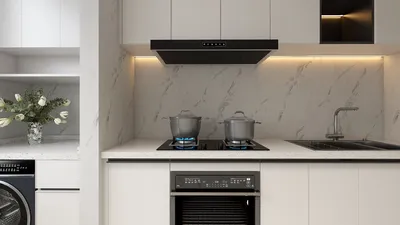


I once advised a client to opt for a bright white shade, believing it would transform their small apartment into a boutique hotel ambiance. However, it turned out that the nearby building reflected a green hue at dusk, altering the intended effect. This experience emphasized the importance of testing paint with real lighting conditions and considering layout visualization; employing such approaches can help prevent color blunders.
1. Low-VOC Latex for a Healthier Home
In most bedrooms and living spaces, I advocate for low-VOC water-based latex paint. It dries quickly, offers easy cleanup, and promotes better indoor air quality. Although it comes at a slightly higher price for premium low-odor formulas, the benefits in comfort and safety are well worth it.
save pin
2. Satin or Semi-Gloss for Busy Areas
When it comes to hallways, children's rooms, and utility spaces, I steer my clients towards satin or semi-gloss finishes. These options not only facilitate easier cleaning but also resist scuffs better than flat paints. The only drawback is their tendency to expose wall imperfections, hence a little preparation work like filling and sanding is advantageous.
save pin
3. Matte and Eggshell for Cozy, Inviting Walls
Matte and eggshell finishes are ideal for creating a soft, luxurious atmosphere in bedrooms and dining areas. They effectively conceal minor imperfections and exude richness under warm lighting. For open-plan homes, harmonizing paint choices with cabinetry or countertop designs, alongside careful kitchen layout considerations, helps avoid mismatched undertones—tools like Homestyler can be particularly helpful in visualizing these designs.
save pin
4. Mold-Resistant Paints for Humid Spaces
In bathrooms and basements, utilizing paints formulated to withstand high humidity is crucial. Such paints are designed with mildewcides and provide a more robust coating against mold. Although they may be pricier and slightly glossier, I often select low-sheen mildew-resistant alternatives to balance aesthetic appeal with functionality.
save pin
5. High-Coverage & 3D Finishes for Quick Revamps
For walls marked with stains, nicotine, or varying colors, high-build or stain-blocking primers and paints can often achieve the desired effect in just one coat. If you wish to preview the final result prior to purchasing paint, using tools that create 3D rendered visuals can significantly aid in your decision-making process.
save pin
FAQ
Q1: What is the best paint type for general interior walls?
For most spaces, I suggest using low-VOC acrylic latex with an eggshell or satin finish. It’s simple to apply, durable, and has a low odor.
Q2: Are low-VOC paints safer?
Absolutely. Low-VOC paints produce fewer volatile organic compounds, enhancing indoor air quality and minimizing odors—this is especially crucial for sensitive individuals.
Q3: Which sheen is easiest to maintain in a family home?
Satin is my preferred choice; it withstands stains and can be cleaned easily without highlighting imperfections like glossier finishes might.
Q4: How can I select paint colors that maintain consistency across different rooms?
It's advisable to test 12x12-inch swatches on various walls and observe them during different times of the day; natural and artificial lighting can greatly alter how colors appear.
Q5: Is it acceptable to use the same paint for both kitchen and bathroom?
While functionally possible, I prefer moisture-resistant formulations for bathrooms and washable finishes for kitchens due to the presence of grease and the need for frequent cleaning.
Q6: How many coats of paint will be necessary?
This depends on factors such as the extent of color change and the quality of paint; high-coverage options may suffice with just one coat over a primer, whereas deeper colors typically require two coats.
Q7: Are mold-resistant paints a necessity?
If you're dealing with chronic humidity or subpar ventilation, opting for mold-resistant paints is a recommended preventive measure to safeguard your surfaces.
Q8: Where can I find more information about VOCs and indoor air quality?
The U.S. EPA provides comprehensive resources on VOC impacts and guidance, which can be found at: https://www.epa.gov/indoor-air-quality-iaq/volatile-organic-compounds-impact-indoor-air-quality.
save pin
Discover the ease of home design with Homestyler! This innovative platform offers a user-friendly online design tool, stunning 3D renderings, and an array of inspiring design projects. Plus, you’ll find helpful DIY video tutorials to guide you every step of the way. Transform your space effortlessly!
Diseño ahora GRATIS
































