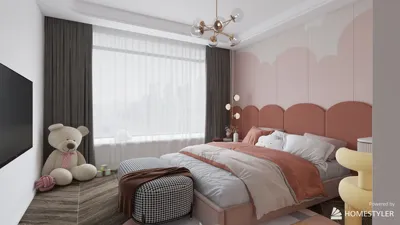


I still chuckle when I remember the time I painted a client's petite studio in what I thought was the 'ideal' whisper gray. Under evening light, however, it appeared muddled, making the entire room feel even smaller. The lesson? Choosing paint and considering lighting is a relationship that requires care, not just a one-time decision. That's why when I select colors and finishes, I frequently utilize a quick 3D display example via Homestyler, which helps me assess mood and scale before touching the brush. Small spaces can ignite grand ideas; today, I'm excited to share five design strategies inspired by paint brands that I've implemented in actual projects.
1. Benjamin Moore — Rich pigments for depth
I turn to Benjamin Moore when a client seeks dependable, true-to-swatch colors and seamless coverage. Its rich pigments and expansive color palette are ideal for crafting accent walls or creating moody nooks in cozy homes. The downside? It can be pricey, and there’s a temptation to select darker shades for small spaces — so always test samples generously and start with a small swatch board.
save pin
2. Sherwin-Williams — Consistency and wide availability
Sherwin-Williams is my go-to brand for well-balanced, easily accessible tones. Their paints endure well in busy areas and come with durable finishes, particularly useful for kitchens and hallways. While their top-performing lines might be pricier, a mid-range choice along with smart sheen selections usually satisfies budget-minded clients without compromising quality.
save pin
3. Farrow & Ball — Designer character with strong pigments
For clients desiring bold, Instagram-worthy hues, I recommend Farrow & Ball. Their deep pigments and subtle undertones give small rooms a curated feel rather than an enclosed one. However, their premium pricing and unique base mean that touch-ups require careful matching. In projects where color takes center stage, I find it effective to order test pots and experiment with a mini feature wall first, preventing buyer's remorse and promoting cost-efficiency in the long run. I sometimes pair this selection with a visualization using Homestyler when presenting daring concepts to more cautious clients.
save pin
4. Behr — Budget workhorse with good coverage
Behr is an excellent choice when we want solid performance at an affordable price. It provides good coverage and is easily found in many large retail stores, making quick touch-ups and matching a breeze. The trade-off is a slight lack of nuanced color depth compared to higher-end options, but for rental properties or rapid turnovers, it remains one of my favorite cost-effective solutions.
save pin
5. Asian and eco-conscious brands — Low VOC options
For clients who are sensitive to odors or have children and pets, I advocate for low-VOC or water-based lines from reputable Asian or eco-friendly brands; these help ensure better indoor air quality and often perform remarkably well. While price and sheen diversity may be limited, and color ranges sometimes more constrained, these are sensible and thoughtful choices for bedrooms and nurseries. To showcase the final outcome dramatically, I’ll create a 3D illustration of the room using the selected color palette so clients can visualize and approve before we start painting.
save pin
FAQ
1. What is the best interior paint brand overall?
I cannot pinpoint a one-size-fits-all answer — Benjamin Moore and Sherwin-Williams frequently come up as top contenders for color accuracy and durability, while Farrow & Ball provides designer allure, and Behr delivers budget-friendly value. Ultimately, choose based on specific project requirements: durability, color fidelity, budget, or low-VOC options.
2. How do I pick the right sheen for a small room?
Matte or eggshell finishes typically perform best in small living areas to conceal imperfections and foster warmth, while semi-gloss is perfect for trim and kitchens due to its easy-clean properties. Higher sheens can reflect more light and be used strategically, but they may also draw attention to flaws.
3. Are low-VOC paints really necessary?
Low-VOC paints significantly mitigate off-gassing and odor, which is especially crucial for children, pregnant individuals, or those with sensitivities. For scientific backing, refer to the U.S. EPA regarding indoor air quality and VOCs.
4. How many sample pots should I try before committing?
I usually test at least three different colors on separate walls or large poster boards to examine them at varied times of the day. Lighting dramatically alters color perception, making samples an essential part of my process.
5. Can a cheap paint look expensive?
Yes — with the right color selection, proper surface preparation, and utilizing the correct primer, even mid-range paints can yield a sophisticated appearance. Application techniques and finish often hold greater significance than the brand itself.
6. How long should I wait to repaint?
Most interiors need a fresh coat every 5 to 7 years; however, high-traffic areas might require touch-ups sooner. Keep an eye on staining, fading, and wear to determine when it's time for a refresh.
7. Is custom color matching worth it?
Custom matching is fantastic when perfect coordination with fabrics or flooring is paramount; it may cost more but eliminates the frustration of mismatch. I suggest this for feature walls or standout rooms.
8. Where can I visualize paint choices for my floor plan?
I frequently generate quick visual mockups so clients can observe colors within context; utilizing tools like a 3D planning example on Homestyler accelerates decision-making and minimizes rework.
save pin
Originally incubated at Autodesk, Homestyler has grown into one of the most widely adopted home design platforms in the world, now trusted by over 18 million users. Whether you're a homeowner exploring ideas or a professional designer delivering client-ready renders, Homestyler brings industry-leading 3D technology to your fingertips — no experience required.
Homestyler is your go-to online home design platform! With its user-friendly design tool, stunning 3D renderings, and a wealth of design projects and video tutorials, transforming your space has never been easier. Unleash your creativity and make your dream home a reality today!
Diseño ahora GRATIS
































