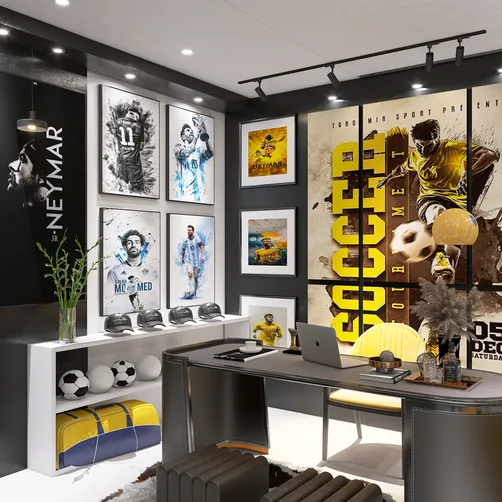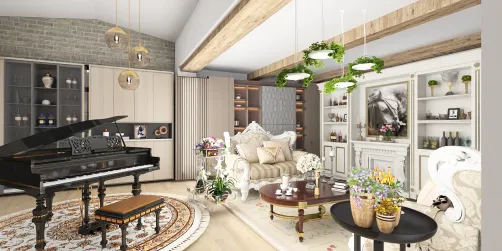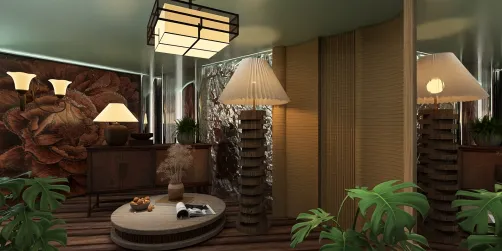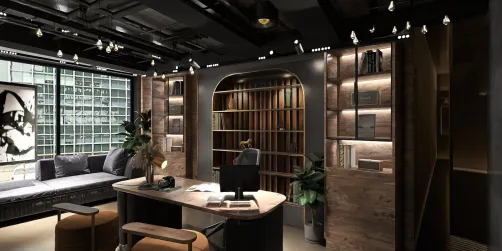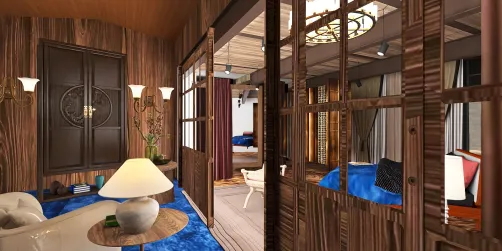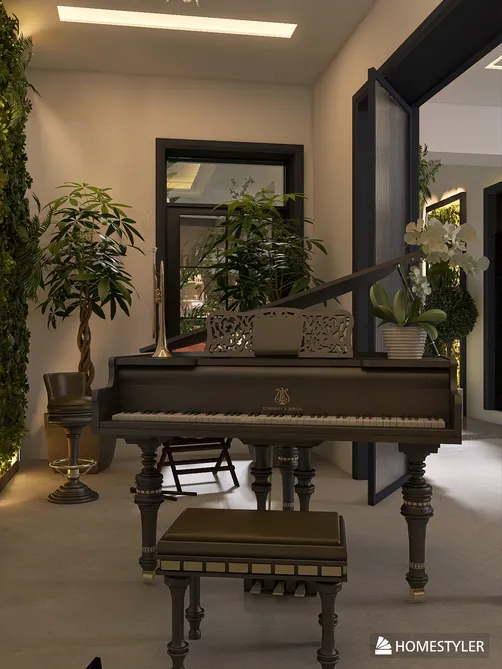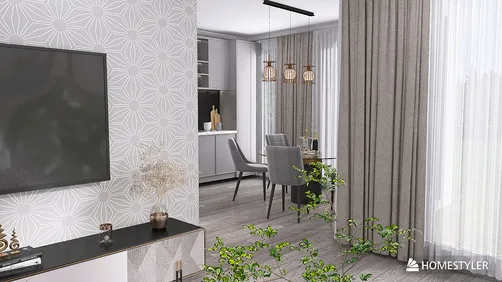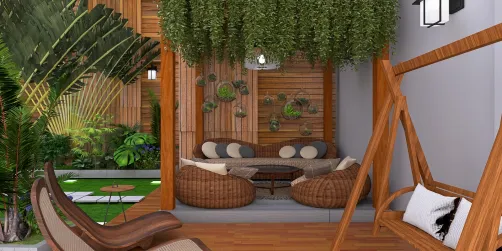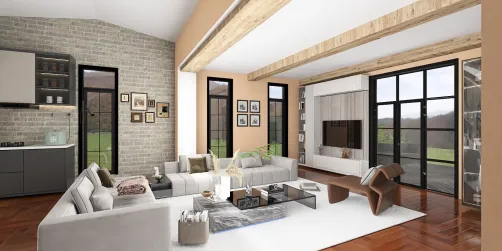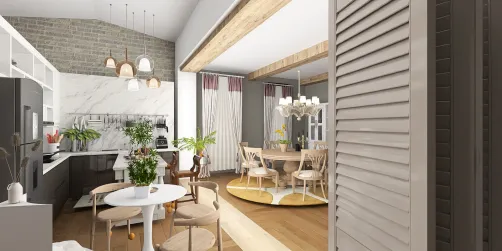
I once had the challenge of fitting a client's upright piano into a sloped loft office, an experience that almost made me take up carpentry on the spot. This minor fiasco underscored the importance of creating a roofline mockup and drafting a quick 3D sketch before making furniture orders. Small upstairs lofts can be complicated, but they offer opportunities for innovative and intelligent design choices. Here are five upstairs loft office concepts I’ve successfully implemented in various projects that can also be visualized using Homestyler.
1. Custom Desk Beneath the Eaves
Transform that awkward knee wall into a personalized workstation. A continuous built-in desk that aligns with the slope not only increases usable surface area but also conceals cables and power strips within the cabinetry. While this design strategy compromises vertical storage, I typically include drawers and shallow shelves to keep clutter out of view.
2. Glass Balustrades for Openness
If your loft offers a view overlooking a living space, it's essential to prioritize natural light. Replacing a solid half wall with a glass balustrade or minimalist railing enhances the airy feeling of the loft and fosters visual connections. This choice may reduce acoustic privacy; hence, I often pair it with rugs, fabric panels, or an upholstered screen for sound insulation when necessary.
3. Split-Level Mezzanine with Intelligent Storage Solutions
I frequently suggest incorporating a slight step-up or platform to delineate areas—a raised desk space followed by a cozy lounge nook. This subtle division promotes focus and movement while being ideal for concealing storage beneath the platform. I usually plan zoning for the workspace during initial concept discussions, which helps prevent layout conflicts with any beams or stairs.
4. Versatile Furniture Solutions
Lofts necessitate furniture that maximizes efficiency. Essentials for me include wall-mounted foldaway desks and sliding shelves, along with benches that can double as file storage. The challenge comes with mechanical complexity; thus, I recommend investing in durable hinges and tracks to ensure longevity, steering clients towards straightforward, sturdy hardware for their needs.
5. Green Corners and Sound Absorption
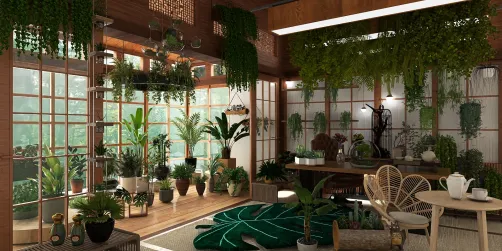
Incorporating plants can soften harsh lines while enhancing air quality—a tall fiddle-leaf or trailing philodendron can enliven a corner and obscure imperfections in the architecture. For better acoustics, I layer acoustic panels, add a plush rug, and use fabric-wrapped bookcases. To visualize arrangements prior to renovations, I utilize AI layout suggestions or tools like Homestyler to experiment with plant placements and panel sizes.
These strategies represent my favored approaches for upstairs loft offices: embrace the sloped design, maintain open sightlines, and ensure that each piece of furniture serves multiple functions. If you seek assistance in adapting one of these ideas to your loft, I am here to guide you with practical solutions and budget-friendly modifications.
FAQ
Q1: What is the optimal desk depth for a loft situated under an eave?
A desk depth of 18–22 inches is generally suitable beneath a sloped roof; it provides enough space for a laptop while ensuring ample headroom. If you have a fixed ergonomic chair or use multiple monitors, custom depths might be beneficial.
Q2: How can I keep my loft office bright without overheating?
Consider utilizing high, low-iron glass or clear balustrades to allow daylight to flow freely, complemented by operable windows or small vent fans to regulate temperature. Light-toned finishes can help reflect light without retaining heat.
Q3: Are mezzanine platforms typically compliant with building permits?
Regulations differ by location and often depend on factors like ceiling height, egress routes, and load limits. It is advisable to verify local codes and consult a structural engineer when adding permanent structures or heavy storage.
Q4: What techniques can I use to enhance acoustics in an open loft?
Incorporate soft materials such as rugs, curtains, and upholstered furnishings, and add sound-absorbing panels in areas where sound reflections are most prominent. Utilizing bookshelves and plants can also help diffuse sound pathways while maintaining an open feel.
Q5: What are some budget-friendly methods to create custom-looking storage?
Combine IKEA-style modular units with tailored face panels or a built-in top shelf to give off-the-shelf items a bespoke appearance. This approach has proven effective in many of my projects for achieving the desired look without incurring full custom costs.
Q6: Do plants really contribute to better indoor air quality and focus?
Indeed—plants can increase humidity and alleviate stuffiness, with numerous individuals reporting improved concentration when greenery is present nearby. Select low-light tolerant species for lofts that enjoy indirect sunlight.
Q7: How much natural light is adequate for a productive loft office?
Aiming for balanced daylight throughout the workspace is key; a mix of ambient and task lighting helps avoid glare. As per the U.S. Department of Energy, effective daylighting strategies can considerably lessen reliance on electric lighting.
Q8: I'm feeling overwhelmed—should I sketch or consult a professional first?
If you enjoy the sketching process, a quick hand-drawn plan can clarify priorities; otherwise, hiring a designer early on can be cost-effective by preventing expensive mistakes. Regardless, an early layout review can avert surprises when furniture arrives.
Discover Homestyler, the ultimate online home design platform! With its intuitive design tool, stunning 3D renderings, and a wealth of DIY video tutorials, you can easily transform your space into your dream home. Perfect for both beginners and seasoned designers alike!