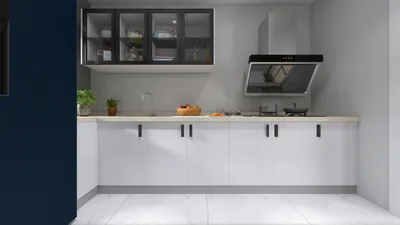


As new features in iOS 26.5 enhance our smartphone experiences, they also inspire us to rethink how technology integrates into our living spaces. Smart home setups that sync seamlessly with the latest devices encourage designs centered around usability and comfort. Incorporating charging stations and adaptable furniture into our interiors allows technology to complement our daily routines without sacrificing style or space.
When comparing floor plan software options in 2026, two popular platforms frequently come up, each serving different needs. One caters primarily to real estate professionals with its simplistic and quick floor plan creation, while the other targets interior designers requiring detailed models, high-quality rendering, and AI-powered features designed to optimize workflow efficiency. Homestyler fits perfectly into this evolving landscape by offering robust tools for immersive interior design experiences.
This analysis moves beyond basic feature overviews to provide insights from actual users. Hidden expenses, limitations within free plans, AI functionality disparities, and which software truly meets professional demands under client scrutiny are key topics discussed here.
Overview of Floor Plan Platforms
Understanding Free Plan Limitations
The definition of "free" varies greatly between platforms, making this an essential aspect to investigate first.
Some platforms provide genuinely functional free floor plan creators that let users draw walls, furnish rooms from extensive model libraries, switch between 2D and 3D views, and see real-time rendered spaces without requiring credit card input or imposing paywalls on practical use. This approach benefits professionals who want to trial software with actual projects before committing.
Conversely, other services restrict their free tiers to basic floor plan drafting only. Exporting 2D plans, producing 3D images, interactive walkthroughs, or importing blueprints often requires paid credits or subscriptions, effectively turning their free version into a limited trial rather than a fully capable tool. Users frequently express frustration at these constraints, especially when they must purchase additional credits for each output even after subscribing.
Hidden Costs Associated with Credit Systems
A common pain point overlooked in many reviews is the credit-based system layered atop subscription fees. Charges accrue with each floor plan export, 3D render, or visualization produced, resulting in escalating expenses for users with high output demands. This payment structure can hinder productivity and strain budgets, particularly for freelance designers and studios managing multiple client projects.
Alternatively, some platforms offer unlimited ultra-high-definition rendering within their paid plans, eliminating per-export fees and surprise costs when clients request multiple render variations. This pricing model aligns better with professional workflows focused on frequent, quality visual production.
Authenticity Through Branded Furniture and Product Accuracy
A significant limitation highlighted by users is the inability to incorporate actual branded furniture models into designs. The absence of this feature forces reliance on generic placeholders, hindering client visualization and sometimes causing approval delays as clients struggle to imagine the real pieces.
Some platforms have partnered with furniture manufacturers to upload authentic product catalogs as accurate 3D models accessible to all users. This capability enables designers to insert exact pieces chosen by clients directly into renderings, accelerating project approvals and minimizing iterations.
The Role of AI: Distinguishing Scanning from Designing
Artificial intelligence features in 2026 floor planning tools serve different purposes that are often misunderstood. Some AI tools focus on digitizing existing physical spaces by converting sketches or performing 3D scans, which aids in capturing current conditions but doesn’t assist strongly with creative design processes.
Conversely, more advanced AI applications facilitate the design phase by automatically generating full 3D layouts from room dimensions, offering stylistic redesign suggestions based on photos of existing interiors, and intelligently arranging kitchen components according to ergonomic principles. These AI enhancements speed up early-stage exploration without replacing the designer’s expertise.
Rendering Capabilities and Visual Fidelity
Entry-level software typically produces clear, comprehensible 3D images suitable for property marketing or straightforward client reviews, where photorealism is less critical. However, professional-grade platforms deliver ultra-high-resolution 8K images and cinematic video walkthroughs that simulate real-world lighting, material behavior, and textures. Such output quality is crucial for designers whose portfolios and client presentations depend heavily on visual impact.
Access to Projects Post-Subscription
Another operational factor to consider is whether project files remain accessible after subscription cancellation. Some programs lock users out of their work, posing a risk for professionals maintaining extensive project archives. Platforms that retain access irrespective of subscription changes offer greater flexibility and security for ongoing client engagements.
Remaining Gaps in Current Floor Planning Solutions
User feedback in 2026 reveals ongoing shortcomings including lack of roof modeling capabilities important for renovations, insufficient multi-select or batch furniture movement features that complicate layout adjustments, and absence of integrated mood boards or material presentation tools that facilitate client approvals—areas where improvements would substantially enhance the user experience.
Target Audiences for Different Tools
Certain software solutions are tailored to real estate professionals needing fast, clear plans for listings, while others are designed primarily for interior designers requiring detailed customization, robust AI assistance, and high-fidelity renderings. Homestyler distinguishes itself by bridging ease of use and advanced design functionalities, appealing to both enthusiasts and professionals.
Getting Started with Your First Floor Plan
Many platforms offer free plans granting access to core design tools including accurate floor plan drafting, extensive furniture libraries, 3D visualization, and rendering without credit limitations or output restrictions. These free tiers enable users to experiment and progress from small personal projects to comprehensive client engagements seamlessly. Homestyler provides such scalable solutions that grow with your design needs.
Experience firsthand how modern floor planning and interior design tools can transform your creative process by leveraging AI, high-quality renders, and authentic product models integrated into an intuitive interface. This approach not only enhances client communication but also streamlines workflow from conception to completion.

Modern Minimalist Fabric L Shaped Sectional Sofa with Throw Pillows 3D Model
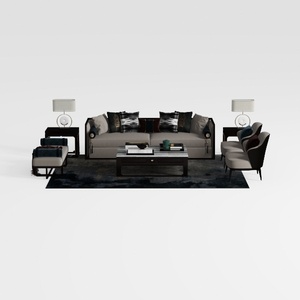
Modern Fabric Wood Living Room Furniture Set Sofa Chairs Coffee Table Lamps 3D Model
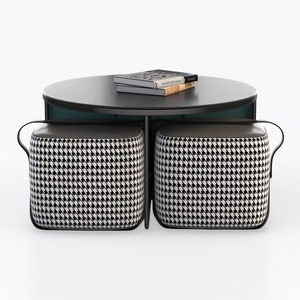
2 Seater Patio Sofa with Cushions and Parasol Gray
Homestyler is an easy-to-use online home design platform offering powerful 3D rendering, a vast collection of interior projects, and helpful DIY video tutorials. It’s perfect for bringing your design ideas to life and exploring creative home layouts with confidence.
Diseño ahora GRATIS
































