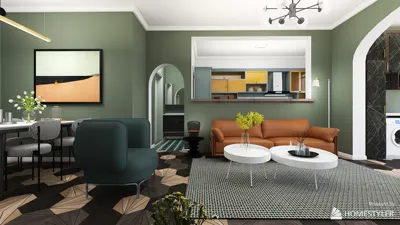


I still chuckle at the client who insisted on having mirror-like black stairs because they believed it resembled a runway. However, they were perplexed when every scuff mark stood out so prominently. Small spaces, such as staircases, challenge us to blend practicality with bold design, and that’s where innovative ideas come to life. If you wish to explore different layouts before implementing them, I frequently demonstrate room layouts to ensure the colors and contrasts are effective in context and can be easily visualized using tools like Homestyler.
1. Water-based acrylic latex (satin or semi-gloss)
For the majority of indoor staircases, I opt for modern water-based acrylics due to their quick-drying properties, low VOC emissions, and easy cleanup with soap and water. This finish offers a delightful balance between durability and a subtle sheen, ensuring that fingerprints are less noticeable; however, areas with heavy foot traffic may show signs of wear faster than with stronger enamels.
save pin
2. Enamel or waterborne-alkyd enamel for high-traffic treads
When clients prioritize maximum durability, I recommend using enamel products, whether traditional alkyd or the newer waterborne-alkyds, for treads and nosings. They are remarkably resistant to scuffs and clean up effortlessly. However, oil-based alkyds do emit stronger fumes necessitating good ventilation, whereas waterborne-alkyds offer comparable toughness with more pleasant odors.
save pin
3. Floor or porch paint with anti-slip additive
For utilitarian or exterior-adjacent staircase projects, I occasionally employ acrylic floor or porch paints combined with an anti-slip additive on the treads. This combo serves as a practical, budget-friendly solution, allowing you to apply a matte finish to mask tiny scratches. Keep in mind that achieving an even texture can be challenging; I often showcase a 3D staircase model using Homestyler so clients can preview the anticipated finish.
save pin
4. Two-tone approach: robust tread, stylish riser
A favorite technique involves painting the treads a durable satin or semi-gloss while opting for a decorative color or pattern on the risers. This strategy enhances visual appeal and protects surfaces subject to wear; however, creating patterns requires meticulous taping and periodic touch-ups. I once repainted only the risers after a year, which was significantly more economical than repainting the entire staircase.
save pin
5. Epoxy or polyurethane topcoat for extreme durability
For staircases that need industrial-strength durability, such as in mudrooms or rental entries, an epoxy or polyurethane topcoat provides unmatched resistance against wear and tear. While it tends to be more expensive and is best applied by professionals, the long-term benefits can make it worth the investment. Don't forget to apply a textured finish for enhanced traction.
save pin
FAQ
Q: What is the ideal sheen for interior stairs?
A satin or semi-gloss finish is my preferred choice because it provides enough sheen for easy cleaning without highlighting every scratch. Although high-gloss finishes look sleek, they can accentuate imperfections and may become slippery unless textured properly.
Q: Is a primer necessary?
Absolutely — using a primer enhances adhesion and seals any existing stains. For tough surfaces, a bonding primer is useful; if you're working with bare wood, an oil-based or stain-blocking primer is recommended to reduce tannin bleed.
Q: How can I prevent painted stairs from being slippery?
Consider adding an anti-slip additive to your topcoat or utilizing textured stair nosing. The additive is budget-friendly and easy for DIY projects, though it may slightly alter the finish feel.
Q: Can I apply standard wall paint to stairs?
While it's possible, wall paints lack the formulation to withstand foot traffic and may scuff more quickly. If you must use them, select a high-quality acrylic with a durable finish and consider applying a suitable topcoat.
Q: How long should I wait before using painted stairs?
Generally, water-based paints allow light foot traffic within 24 to 48 hours, with full curing taking up to a week. For epoxies and polyurethanes, curing times may be longer, so always refer to the product data sheet for specifics.
Q: What if my home has lead paint?
If your property was built prior to 1978, it's essential to test for lead before making any alterations. The U.S. EPA’s Renovation, Repair and Painting (RRP) rule outlines safe practices for handling such scenarios. If lead is present, it’s best to hire certified professionals.
Q: Any color recommendations for stairs?
Darker treads help hide scuff marks while contrasting risers can provide depth and enhance visibility. Neutral palettes are versatile, but feel free to experiment with bolder risers for an added touch of personality.
Q: When should I consider hiring a professional instead of DIY?
DIY is suitable for tasks like repainting and minor preparations; however, for epoxy coatings, structural repairs, or lead-abatement projects, it's advisable to consult with a professional. Experts can also expedite the application process and ensure long-lasting adhesion.
save pin
Discover your home's potential with Homestyler! This user-friendly online design platform offers intuitive tools for creating stunning 3D renderings, a wealth of inspiring design projects, and helpful DIY video tutorials. Transform your space effortlessly and unleash your creativity today!
Diseño ahora GRATIS
































